Sportsfera Newsroom
F1's V8 return is an admission, and sound alone won't fix it
Dropping hybrid-heavy engines by 2030 concedes the 2026 rules missed. A V8 turbo only works if F1 also fixes weight and cost, not just the noise.
Dropping hybrid-heavy engines by 2030 concedes the 2026 rules missed. A V8 turbo only works if F1 also fixes weight and cost, not just the noise.
Pulling a veteran reporter's credentials over a column may be defensible on tone, but doing it without notice or a clear process looks like retaliation, not governance.
The FIA says it will ban and unmask online abusers. Good. But a sport that hasn't shown how it will stop them is still selling a promise.
Ferrari has topped every session at COTA, but 207 deleted laps and a five-or-six-car fight for pole mean the real winner may be whoever survives the white-line review.
The UK Supreme Court will not rewrite Formula 1 history, but it may decide whether Massa’s allegations of institutional inaction deserve a full trial.
Genesis Magma Racing's stunning pole position at the 6 Hours of Barcelona signals a pivotal shift in the WEC Hypercar class, challenging established titans and promising a thrilling, diverse fight for the championship.
The confirmed return of V8 engines and lighter cars in Formula 1 aims to recapture traditional racing allure, but risks a costly misstep if it fails to engage star drivers like Max Verstappen, who has been vocal about his frustrations with recent changes.
Fernando Alonso's anticipated Dakar 2027 tests highlight a unique approach to driver longevity, but also underscore F1's deep-seated challenges with its sprint race format and the 'excessive power' wielded by its top teams.
The Formula 1 season finale faces uncertainty due to Middle East tensions, exposing the sport's delicate balancing act between its global expansion strategy and the inherent operational challenges of a volatile world.
The alarming events at the Qatar Grand Prix expose Formula 1's critical vulnerability to extreme weather, raising serious questions about the sport's calendar planning and commitment to driver well-being.
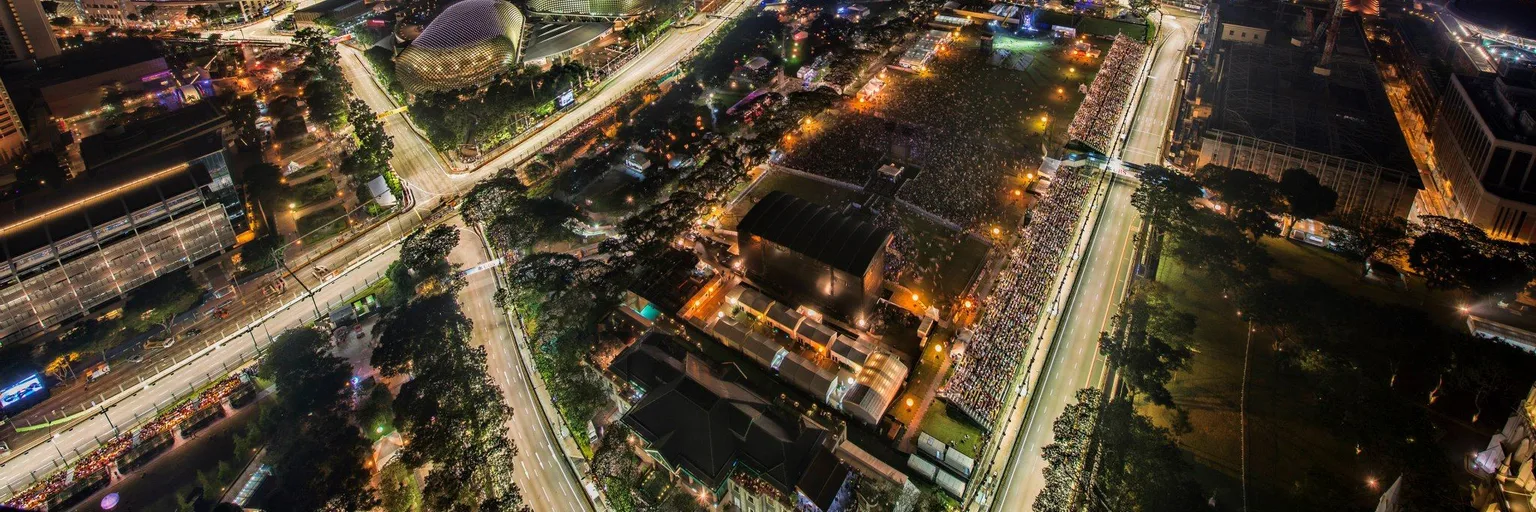
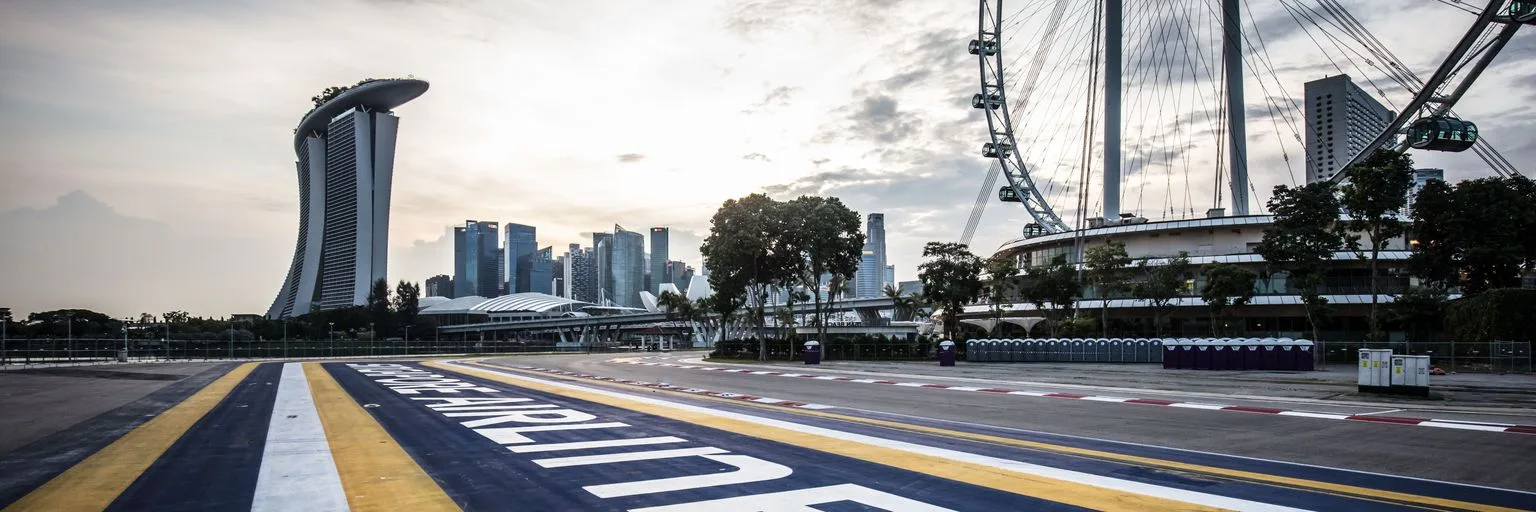
The recent rain-induced delays at the Singapore Grand Prix expose Formula 1's growing vulnerability to extreme weather, raising serious questions about its congested calendar and reliance on demanding street circuits.
The chaotic Malaysian Grand Prix exposed how intricate F1 electronics, failing under rain, can undermine both safety and fair competition, leading to a troubling spectacle.
The chaotic 2026 Bahrain Grand Prix in Malaysia exposed a critical flaw in F1's new engine regulations, leading to stalled cars and a fan revolt over overly complex engineering.