F1's Risky Finale: Geopolitics Overshadow Global Ambitions
The Formula 1 season finale faces uncertainty due to Middle East tensions, exposing the sport's delicate balancing act between its global expansion strategy and the inherent operational challenges of a volatile world.
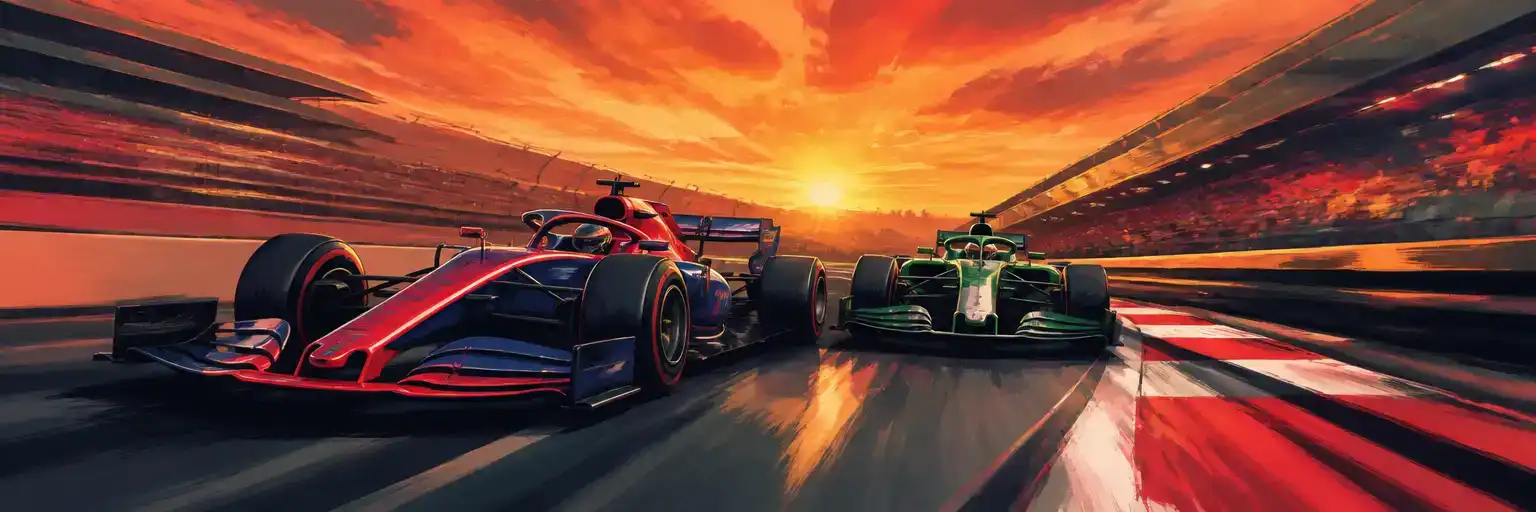
AI-generated image
What does it say about Formula 1's global ambitions when the climax of its season hangs precariously on geopolitical developments? The ongoing conflict in the Middle East has not only cast a long shadow over the sport's calendar but also forced a sober re-evaluation of its expansion strategy, highlighting the sport's uncomfortable vulnerability to global events.
Originally slated to conclude with the Qatar Grand Prix (November 27-29) and the Abu Dhabi Grand Prix (December 4-6), the final rounds of the 2026 season are now mired in uncertainty. Earlier in the year, escalating tensions already compelled F1 to cancel the Bahrain and Saudi Arabian GPs, though Bahrain's event was later relocated to Malaysia. Now, with the critical mid-October deadline for logistical planning upon us, F1 CEO Stefano Domenicali maintains the intention is to proceed with the Gulf races, but a contingency plan is firmly in motion: Italy's historic Imola circuit is being prepared as a ready alternative, with F1 covering the preparatory costs regardless of whether it's ultimately used, according to The Race.
The Unavoidable Costs of Global Ambition
Formula 1 has undeniably sought to broaden its appeal and reach new markets, particularly in regions like the Middle East, which offer state-of-the-art facilities and significant financial investment. However, this pursuit of global expansion comes with inherent risks, as the current situation vividly illustrates. The cancellation of early-season races and the eleventh-hour scramble to secure a finale venue in Europe are not just logistical headaches; they expose the financial and reputational fragility of a calendar overly reliant on politically volatile regions. While Domenicali insists that the scheduled races in Qatar and Abu Dhabi remain confirmed based on available information, as RacingNews365 reports, the underlying instability demands a robust backup strategy, which Imola now represents. The need for a European fallback, despite the perceived weather risks in late November or early December, also underscores a strategic pivot away from other non-European alternatives like a second US race, which F1 bosses deemed too risky due to potential market undervaluation and direct competition with the NFL, as Sky Sports F1 notes.
A Logistical Tightrope Walk
The operational challenges of relocating a Grand Prix are immense, affecting everything from sea freight for team equipment to staffing and fan travel. Haas team principal Ayao Komatsu pointed out that even elements like securing European motorhome structures and personnel for a winter race in Imola present significant hurdles. The deadline for confirming the final venues is largely dictated by these logistical realities, making mid-October a critical point for a decision that will impact thousands. This scramble reveals a crucial vulnerability: F1's highly structured, global operation is ill-equipped for sudden, large-scale changes driven by external conflicts. Despite assurances, the uncertainty breeds a kind of logistical anxiety that no professional sport should have to endure so late in its season. It's a stark reminder that while the show must go on, the infrastructure supporting it requires far more lead time than geopolitical events often allow.
Reputation and Credibility at Stake
Beyond the immediate operational concerns, the protracted uncertainty over the season finale poses a broader challenge to F1's reputation and its long-term calendar strategy. While Domenicali's commitment to exploring creative solutions, such as re-labeling the Malaysian race as the Bahrain Grand Prix, showcased adaptability, he also acknowledged this isn't a sustainable long-term approach for credibility, according to Focus.de. The sport must project an image of stability and reliability to its partners, teams, and fans worldwide. Constant reshuffling, even when unavoidable, erodes confidence. While the championship battle between Mercedes' Kimi Antonelli and Ferrari's Lewis Hamilton with 12 rounds remaining intensifies, the narrative risks being overshadowed by off-track drama rather than on-track performance. This situation compels F1 to critically assess its future calendar, perhaps prioritizing stability and proven venues alongside its desire for new markets, ensuring that its global reach doesn't compromise the integrity of its competitive structure.
Ultimately, the predicament facing Formula 1 as it approaches the end of the 2026 season is a stark lesson in balancing ambition with reality. While the sport rightfully seeks to expand its global footprint, it must also develop more robust contingency plans and potentially diversify its reliance on regions prone to instability. The current situation demands that F1 not only manages the immediate crisis but also learns from it, fostering a more resilient and less reactive calendar for future seasons.
No topics yet: start the first one.
More stories
F1's Dual Reality: Madrid Soars, Honda Stumbles
While Madrid's inaugural Formula 1 Grand Prix delivers a massive economic boost, the persistent engine friction between Fernando Alonso and Honda exposes crucial performance challenges beneath the sport's glamorous exterior.
Colapinto's Plea Exposes F1's Toxic Fan Problem
Franco Colapinto's powerful call to his fans to end online attacks on rivals is a stark reminder that F1's digital success has birthed a toxic undercurrent demanding urgent reevaluation of fan behavior.
Qatar GP: Is F1 Trading Driver Safety for Global Expansion?
The alarming events at the Qatar Grand Prix expose Formula 1's critical vulnerability to extreme weather, raising serious questions about the sport's calendar planning and commitment to driver well-being.
Alonso at Red Bull: The Veto That Defined an F1 Era
Christian Horner's autobiography reveals that Fernando Alonso was keen to join Max Verstappen at Red Bull, but an internal veto, seemingly from Verstappen's camp, blocked the move, underscoring F1's complex power dynamics.