Sportsfera Newsroom
Interlagos is safe until 2035, but the fans must get the upgrades
São Paulo kept its Formula 1 race through 2035, but "significant investments" only matter if they fix the track and fan experience, not just premium hospitality.
São Paulo kept its Formula 1 race through 2035, but "significant investments" only matter if they fix the track and fan experience, not just premium hospitality.
CCTV has shown no LaLiga games since the Mbappé meme row. The league's China strategy rests on a relationship that one interview can switch off, and it needs a Plan B.
CCTV has gone dark on LaLiga after Mbappé's Mao remark, and the lesson is bigger than one player: a league can't build its growth plan on one market's goodwill.
Philadelphia is the first team to sign a prediction market, days after the league promised integrity. We think the NBA is policing gambling with one hand and cashing its checks with the other.
Apologies from Mbappé, Real Madrid and LaLiga did not end the anger. The row shows leagues rent access to a market they never control, and should budget accordingly.
Bayern turned a Ballon d'Or into club capital with a simple warm-up ritual. It's good culture and good marketing, provided the real work stays the priority.
China's CCTV has pulled LaLiga over Mbappé's Mao joke. The league built a market on star power and never priced in the risk that the same stars can switch it off.
The Viessmann money reportedly won't fund a transfer splurge, but it shows how strong Bayern's finances are, and why the DFL can't keep ignoring the gap.
As Mark Walter's federal probe drags on, "business as usual" is a promise, not a guarantee, and MLB should say how it would handle an owner under scrutiny.
Lewis Hamilton hints he'll stay in F1 until Africa returns. It's a great story, but it shows how much calendar politics now shapes a driver's career.
The Bears' stadium shopping spree is a negotiation, not a fan-experience project, and Illinois should demand real public returns before signing anything.
The December 11 blockbuster has the scale to reset heavyweight boxing, but only a meaningful aftermath can prove it was a sporting event rather than an expensive farewell.
Atlético-MG’s second straight Sudamericana final points to Brazilian consistency, but Boca Juniors will test whether depth can survive a stronger final exam.
Louis Oosthuizen’s planned return to the DP World Tour is a warning that LIV Golf needs a stable sporting structure—not just a new financial plan—to keep players invested.
Victor Osimhen’s return to Lille showed how Champions League moments can raise a striker’s leverage—but Galatasaray must turn his spotlight into lasting European credibility.
Ibrahim Maza’s reported PSG appeal exposes the uncomfortable limit of Bayer Leverkusen’s model: developing stars is only sustainable if they stay long enough to lead it.
Ngumoha’s Champions League night showed Liverpool a valuable asset: a teenager who can change games, provided development—not transfer noise—sets the pace.
Thierry Henry and Kate Scott give the Ballon d’Or a global television sheen—but the bigger the spectacle becomes, the more transparent its voting must be.
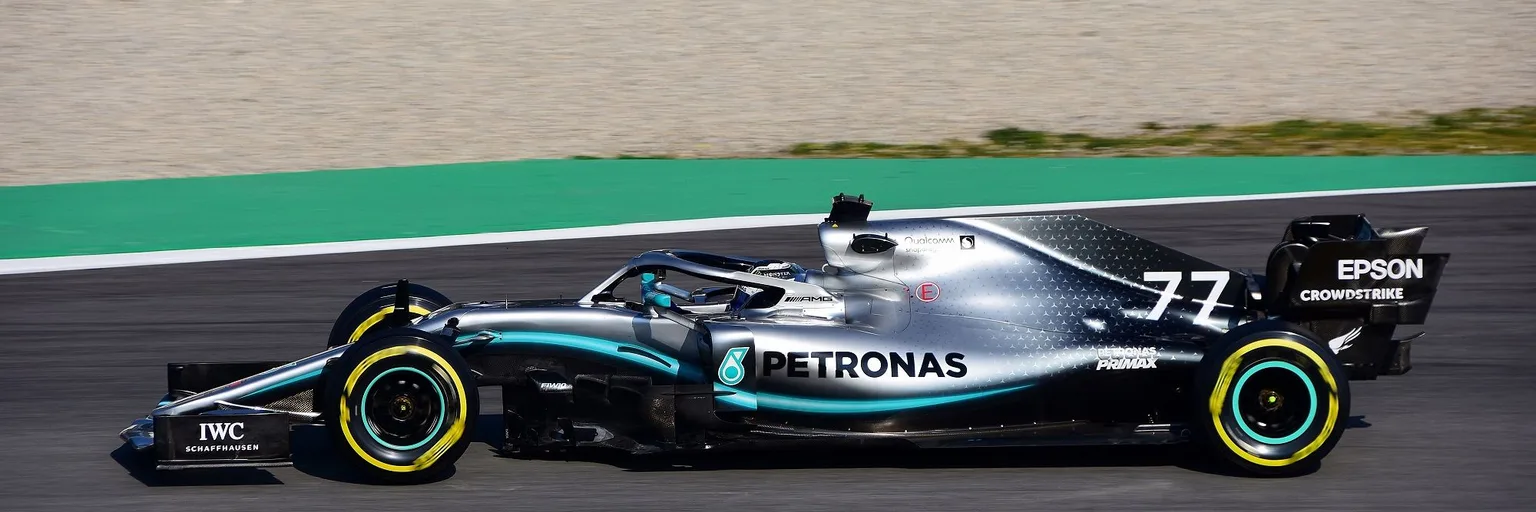
Mercedes-AMG Petronas F1 Team's immense 2025 revenue, exceeding £633 million, and its projected billion-dollar future underscore a financial supremacy challenging competitive equity in Formula 1.
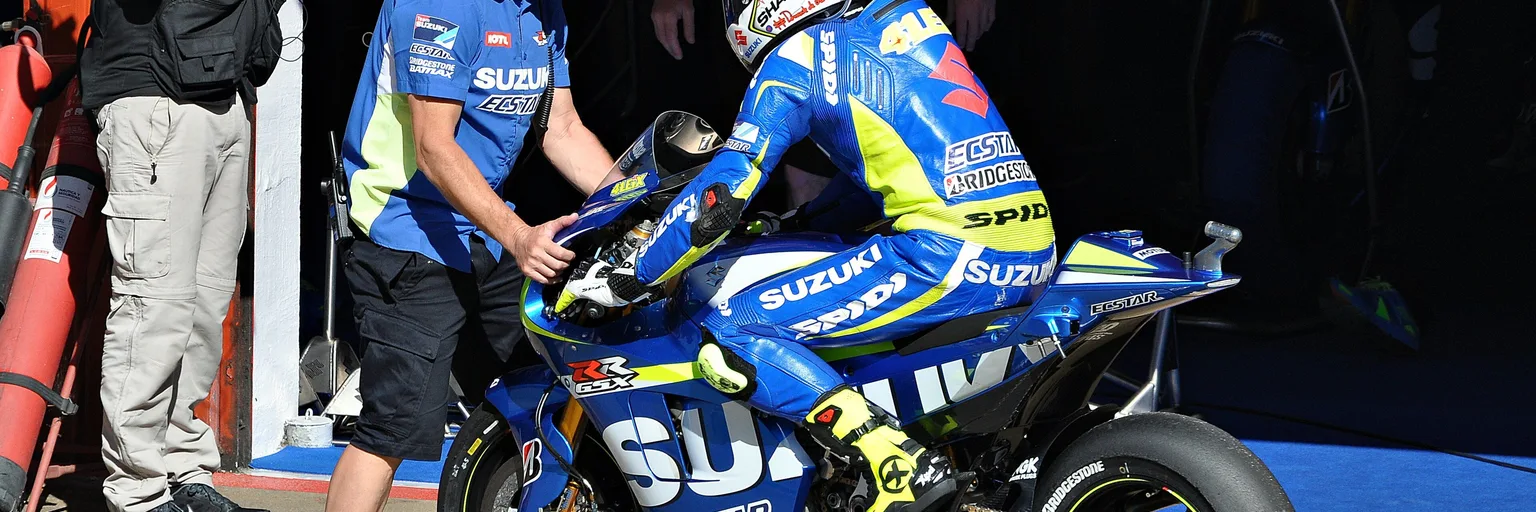
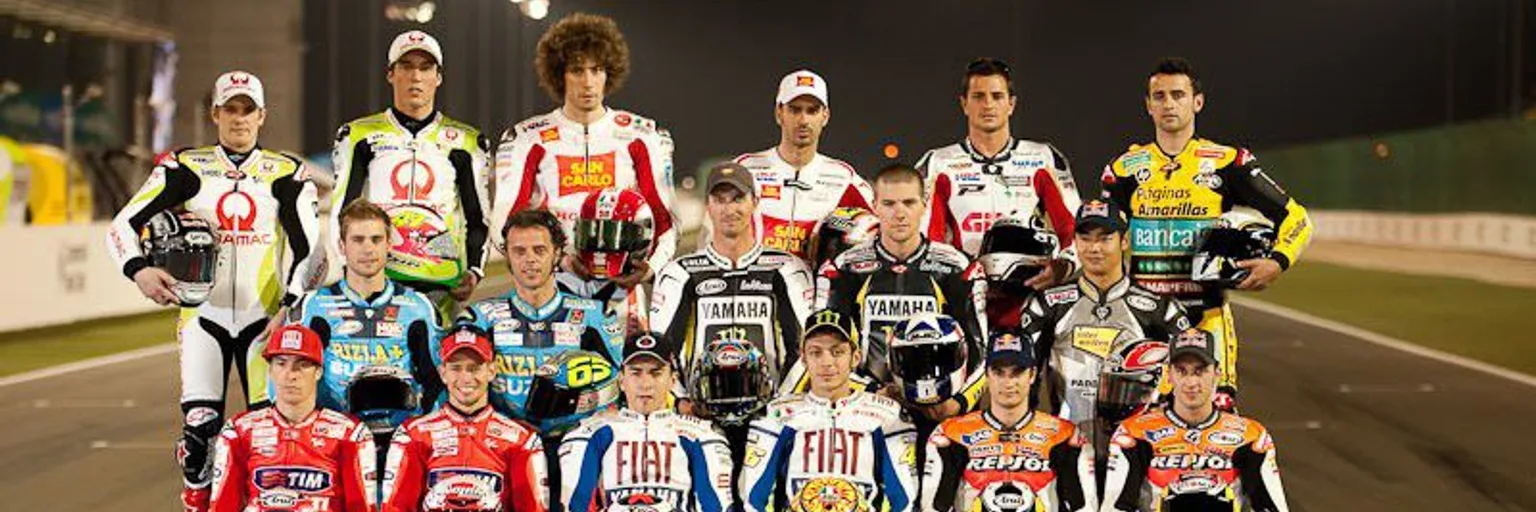
The escalating calls for a unified riders' association in MotoGP, championed by figures like Aleix Espargaró, signal a critical juncture where athletes demand a stronger voice against organizers and teams, fundamentally challenging the sport's power dynamics amid sweeping rule changes.
From iconic race winners to record-breaking road cars, the soaring value of historic McLarens at auction reveals a powerful commercial trend reshaping how Formula 1's rich heritage is monetized.
Jeff Bezos's consortium has bought a stake in Liverpool amidst a quiet transfer window, yet the potential for future majority ownership and recent leadership shifts signal a club at a strategic inflection point.
Paris Saint-Germain's thorough analysis of its future stadium sites is a pivotal decision that will shape its financial strength and competitive standing among Europe's footballing giants.
The guilty plea from 777 Partners' founder to monumental fraud charges reveals a troubling underbelly of financial deception within global sports, threatening clubs and disillusioning fans worldwide.
The Formula 1 season finale faces uncertainty due to Middle East tensions, exposing the sport's delicate balancing act between its global expansion strategy and the inherent operational challenges of a volatile world.
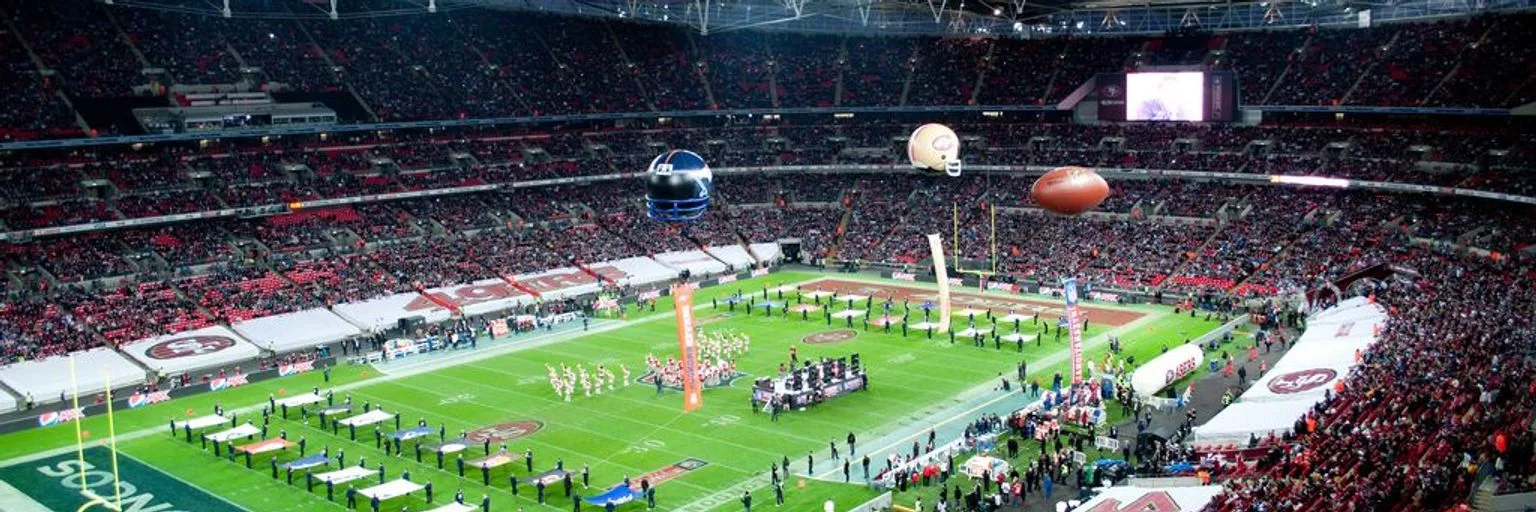
The NFL is aggressively expanding its international footprint, staging a record number of games across multiple continents in 2026, a bold strategic move brimming with financial upside but fraught with logistical complexities for teams and the league.
Major League Baseball's long-term strategy of promoting international stars and digital engagement is yielding a significant surge in global viewership and fan acquisition, elevating its worldwide status.
The recent uproar over an 'Abolish ICE' shirt incident at an Austin FC match exposes the Major League Soccer's unsustainable approach to political expression within its stadiums, creating friction with its most passionate supporters.
MotoGP's new €5,000 fines for missing promotional events are sparking rider backlash, raising critical questions about athlete well-being and the sport's long-term appeal.
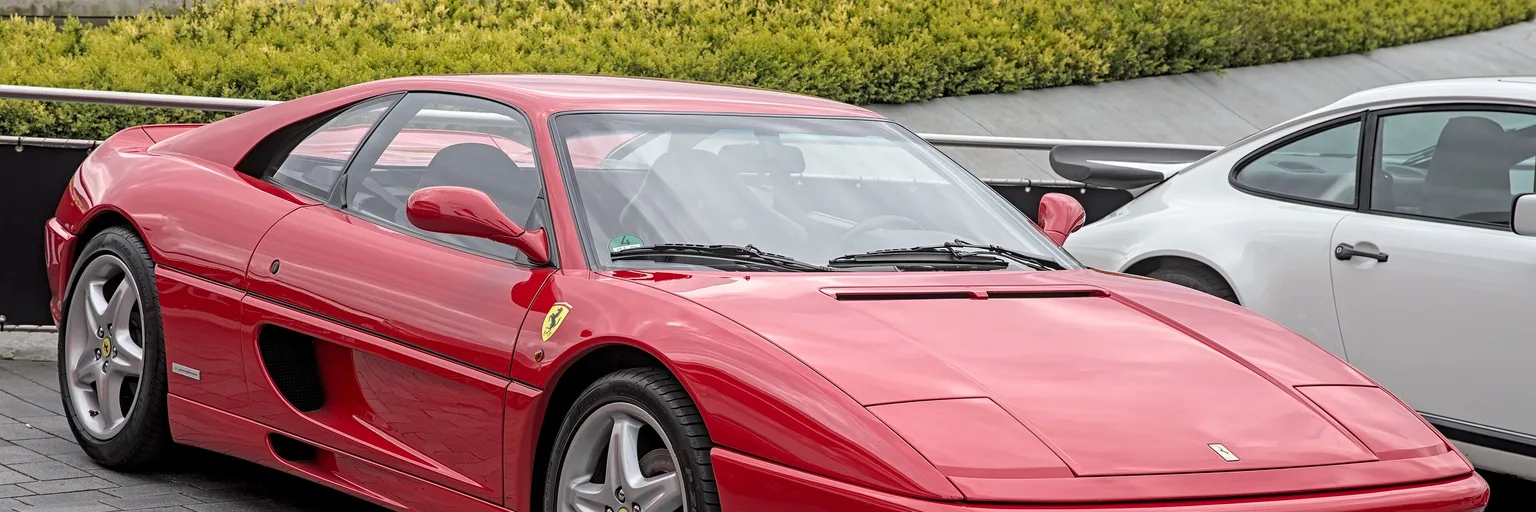
Ferrari's recent struggles in Formula 1 with strategic missteps are compounded by high-profile crashes of its road cars, revealing a brand facing dual challenges in precision and public perception.
The recent delay of Al Nassr's Asian Champions League match due to missile alerts in Riyadh underscores the growing vulnerability of major sporting events to geopolitical instability.
Decades after his playing career, the escalating value of Michael Jordan's memorabilia proves his unique cultural resonance, transforming sports artifacts into unparalleled investment assets.
The astounding growth and festive atmosphere of the Munich Marathon illustrate a profound shift: city marathons are evolving into vibrant cultural touchstones that redefine mass participation sports.
The recent mid-tournament departure of David Lipsky's caddie underscores the intense, often invisible, pressures that can unravel even the most vital partnerships in professional golf.
The reported return of Formula 1 to Africa in 2030 with a Rwanda Grand Prix isn't just a race; it's a profound strategic move reflecting the sport's intent to reshape its demographic and financial future.
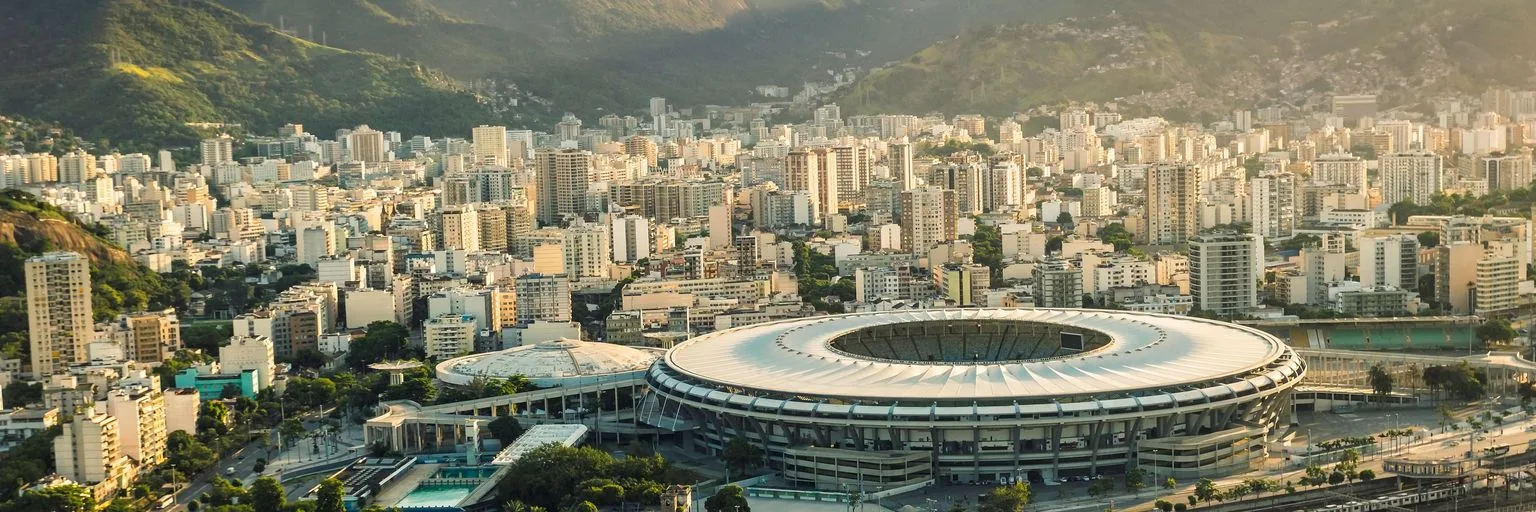
Flamengo's defiance of the Public Prosecutor's recommendation for Vasco to play at Maracanã exposes a deeper conflict over stadium control, challenging the limits of public bodies' intervention in club management.
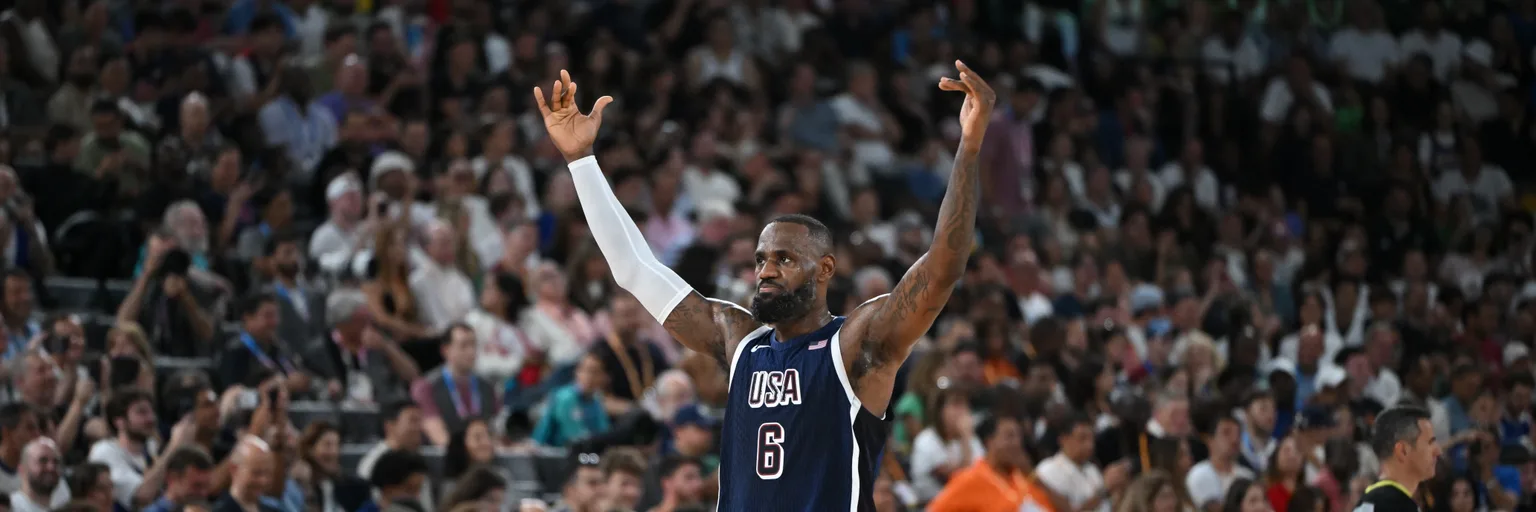
LeBron James's unprecedented impact extends far beyond the court, shaping player power and sports business, yet his legacy remains a subject of intense debate and critical scrutiny.