Maracanã: Is Public Oversight Overstepping Club Autonomy?
Flamengo's defiance of the Public Prosecutor's recommendation for Vasco to play at Maracanã exposes a deeper conflict over stadium control, challenging the limits of public bodies' intervention in club management.
Photo: marchello74 / Shutterstock.com
The Maracanã, an iconic symbol of Brazilian football, has once again become the epicenter of a contentious battle. This time, it's not a clash between rival teams on the pitch, but a fundamental dispute over who holds the ultimate authority in stadium operations. Flamengo's recent strong stance against the Rio de Janeiro Public Prosecutor's Office (MP-RJ) recommendation to allow Vasco da Gama to host Boca Juniors there on October 20 has ignited a fiery debate, revealing the complex interplay of power, public safety, and club interests.
Flamengo, a co-administrator of the legendary stadium, has openly questioned the MP's technical competence to assess the viability of Vasco playing at the venue. This isn't just about one match; it’s a direct challenge to the scope of public bodies' intervention in the strategic and operational decisions of football clubs, forcing us to consider where the line should be drawn in the sand.
The MP's Expanding Reach in Football Governance
The Public Prosecutor's Office has, in recent years, significantly increased its involvement in the realm of sports, particularly concerning public safety and combating violence. This proactive role is formalized through initiatives like the creation of specialized groups, such as the Grupo de Atuação Especial em Grandes Eventos Esportivos (GAEGE) in Goiás, established by Ato PGJ n. 18. More broadly, the Conselho Nacional do Ministério Público (CNMP) recently launched the "Manual de atuação do Ministério Público na tutela coletiva da segurança em grandes eventos" on August 22, a comprehensive guide aimed at orienting MP strategies to combat violence in football and other large events, as reported by CNMP.
This manual, developed after extensive research and observation of numerous security operations, details actions to be taken before, during, and after events. Its scope includes urban mobility, risk classification, registration of organized fan groups, and stadium access control. These are not trivial matters; they are deeply entwined with the operational logistics and financial considerations of sports venues and clubs.
Club Autonomy vs. the Public Safety Mandate
The crux of the dispute lies in the tension between club autonomy and the MP's mandate for public safety. While Flamengo, as a consortium leader, asserts its right to manage stadium availability, citing operational concerns, the MP-RJ's recommendation for Vasco vs. Boca Juniors comes amidst broader concerns about violence in sports. The Lei Geral do Esporte, in Brazil, enshrines sports as a fundamental right, with security as a foundational principle. Therefore, the MP views its role as essential for protecting collective interests, including fan safety.
However, Flamengo's criticism, echoed across several media outlets like Globo Esporte and Metrópoles, points to a perceived overreach. When a public body dictates specific match venues or challenges a club's management decisions, it blurs the lines of authority. The MP's position is that its recommendations are based on expert assessments of public safety risks, suggesting that the Maracanã is the most viable option given the high-profile nature of a Copa Sudamericana semifinal. The fact that the Maracanã hosted Flamengo and Fluminense games on consecutive days in May, while Vasco's requests were reportedly refused, adds another layer to this complex narrative, implying a potential inconsistency that the MP might be seeking to address.
The Unique Challenge of the Maracanã
The Maracanã is more than just a stadium; it's a national monument and a shared public asset, even under private consortium administration. This status inherently invites a different level of public scrutiny and intervention compared to purely private club venues. The debate is not merely about one match but about the precedent it sets for how public bodies can influence the operational decisions of football's biggest stages. While clubs rightly demand clarity on jurisdiction and respect for their administrative capacities, the MP's increasing focus on preventing violence and ensuring fan welfare is a response to persistent issues that plague Brazilian football.
Ultimately, this conflict at the Maracanã underscores a necessary, albeit often contentious, evolution in Brazilian sports governance. The Public Prosecutor's Office, armed with extensive research and a clear mandate to uphold public safety, appears determined to play an active role in shaping a safer environment for fans. The challenge for clubs like Flamengo is not to outright dismiss this intervention, but to engage constructively, defining clearer boundaries for collaboration that protect both club autonomy and the collective right to a secure sporting experience. The balance between regulatory oversight and operational freedom remains a tightrope walk, with the Maracanã dispute serving as a critical test case for the future of Brazilian football.
No topics yet: start the first one.
More stories
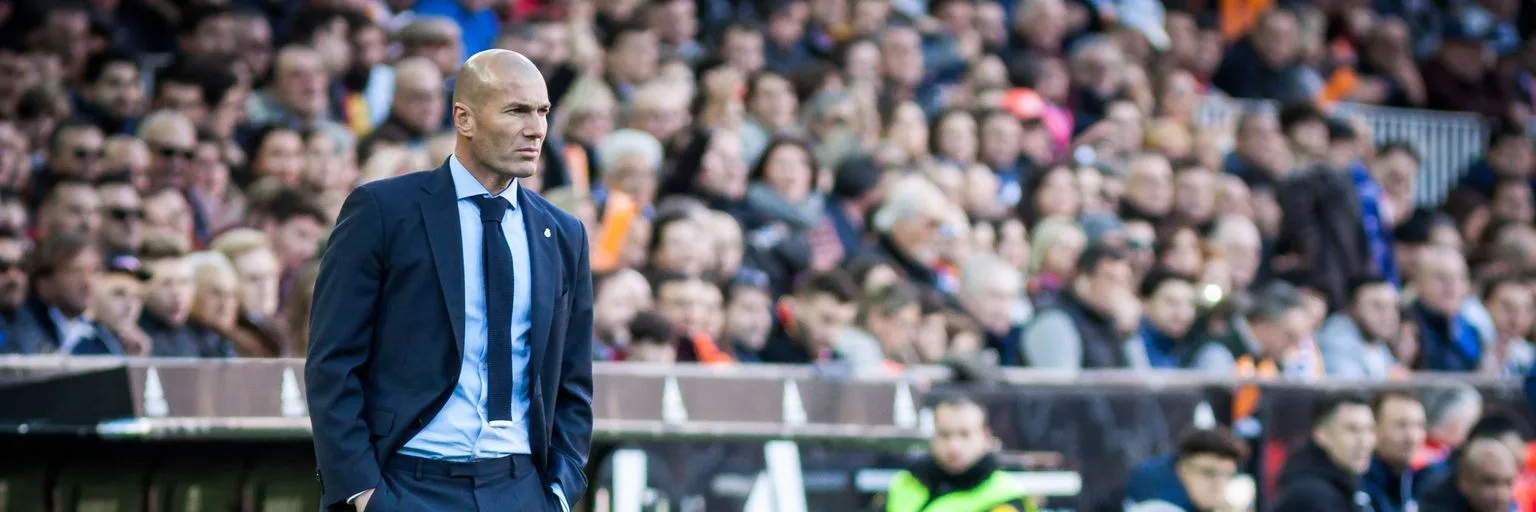
Zidane's Electric Start: A New Era for Les Bleus?
Zinedine Zidane's initial matches as France's national team coach have ignited palpable excitement and delivered promising results, strongly suggesting a transformative period for French football.
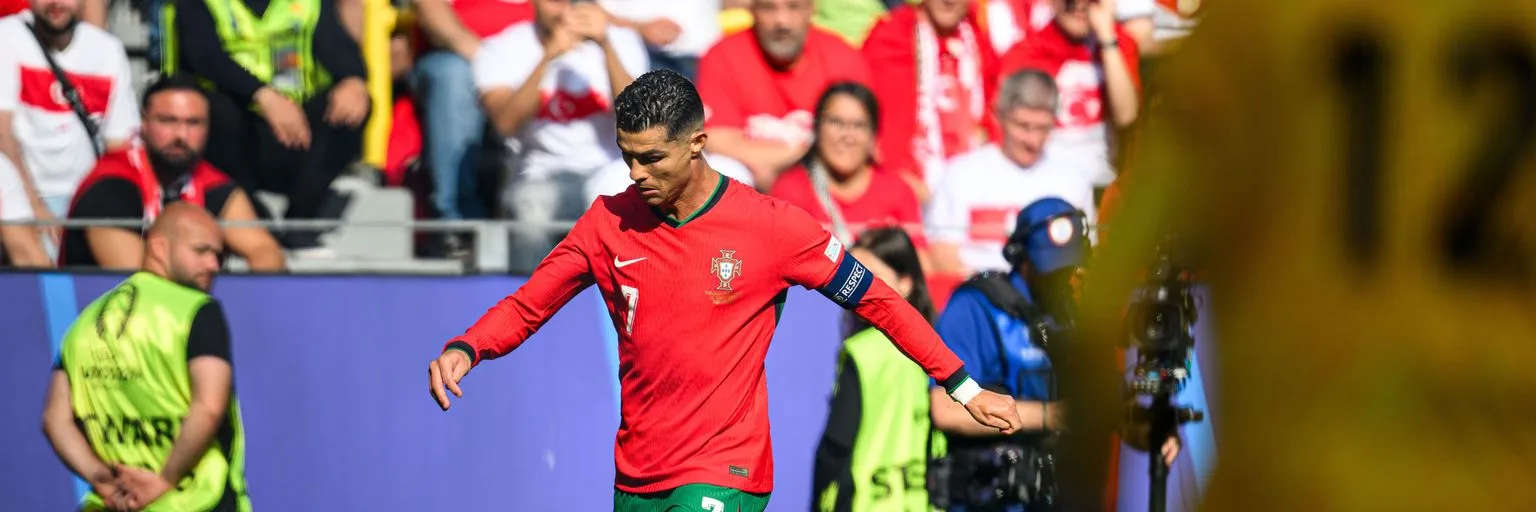
The Ronaldo Saga: Is Player Autonomy Reshaping National Team Dynamics?
Cristiano Ronaldo's dramatic exit from the Portuguese camp, his vow to disclose the full story, and the federation's conciliatory tone suggest a new era where elite athletes increasingly assert control over their international careers.
Nations League Drama: Italy's Resurgence Challenges France's Dominance
The 2026/27 UEFA Nations League has delivered gripping tactical battles, with Italy making a dramatic comeback and France solidifying its top position, setting the stage for crucial quarter-final qualifications.

Nations League: Portugal Thrives, Germany Stumbles in Tactical Shift
Recent UEFA Nations League matches reveal a confident Portugal excelling without its star, while Germany under Klopp faces unexpected challenges from resilient Greece, underscoring evolving power dynamics.