Sportsfera Newsroom
Alan Jones didn't need his hand held, and F1 misses that
The 1980 champion, dead at 80, gave Williams its first title as a blunt, self-reliant racer. His story is a quiet indictment of how polished modern F1 has become.
The 1980 champion, dead at 80, gave Williams its first title as a blunt, self-reliant racer. His story is a quiet indictment of how polished modern F1 has become.
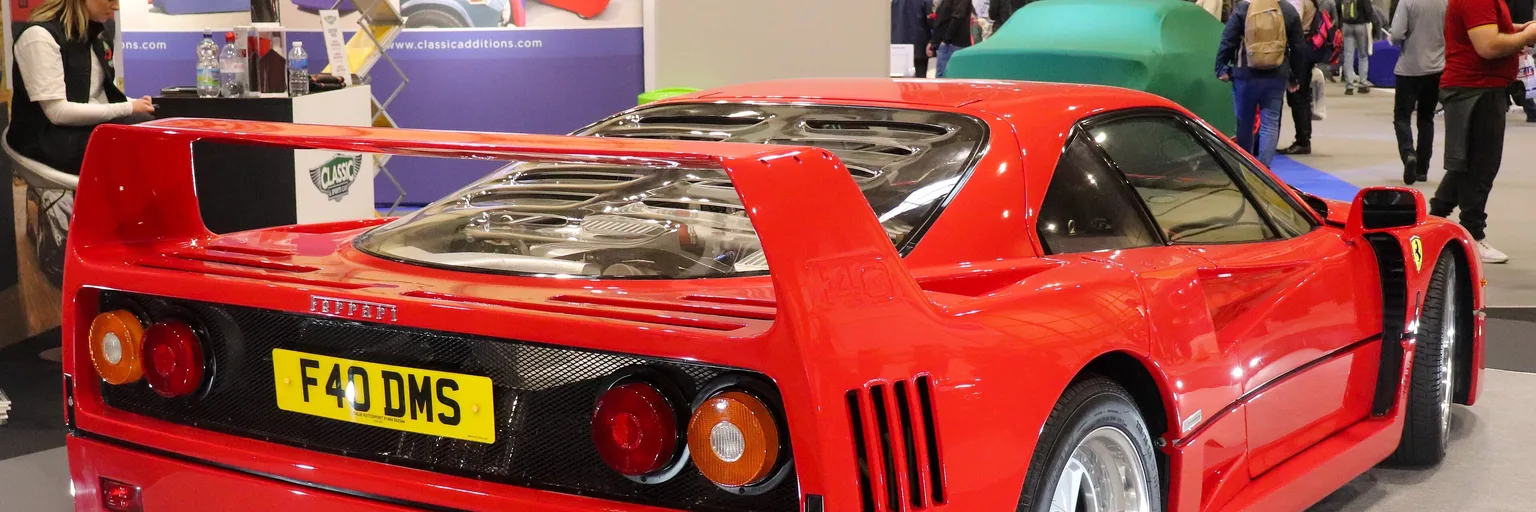
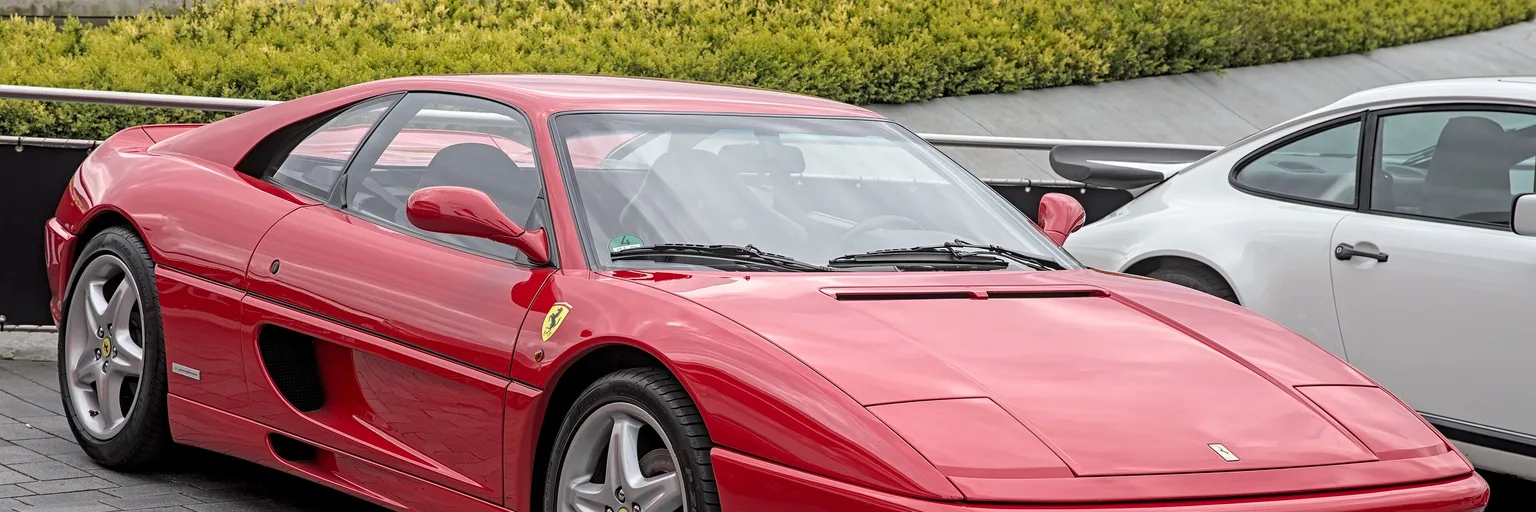
Pierre-Emerick Aubameyang’s Ferrari F40 is more than another luxury purchase: it reflects a shift from conspicuous customization toward automotive heritage and lasting design.
McLaren's innovative strategy to blend Leonardo Fornaroli's F1 reserve duties with a WEC Hypercar drive sparks debate: is this the future of driver development or merely a sophisticated holding pattern?
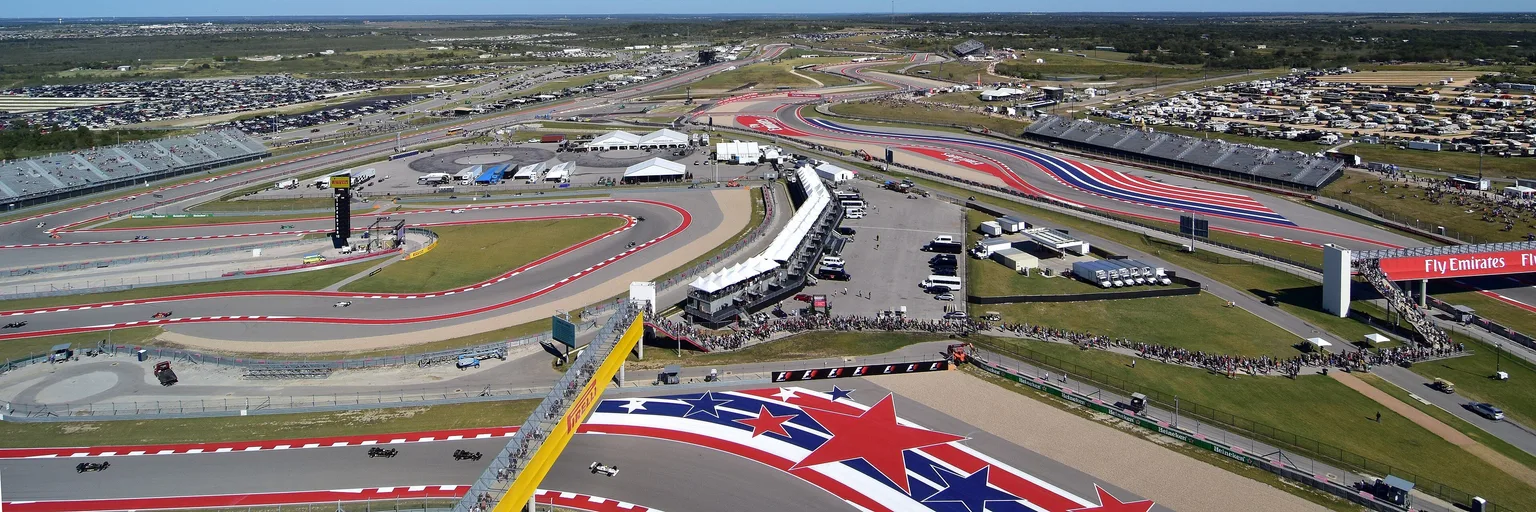
The United States Grand Prix in Austin is poised to be a pivotal event, showcasing Ferrari's last major 2026 upgrade push while McLaren leverages late-season developments to test concepts for its 2027 challenger.
Genesis Magma Racing's stunning pole position at the 6 Hours of Barcelona signals a pivotal shift in the WEC Hypercar class, challenging established titans and promising a thrilling, diverse fight for the championship.
Max Verstappen's recent penalty in the GT World Challenge at Portimao sparks debate: are these racing forays a valuable expansion of his skill set or an unnecessary risk for an F1 champion?
Fernando Alonso's anticipated Dakar 2027 tests highlight a unique approach to driver longevity, but also underscore F1's deep-seated challenges with its sprint race format and the 'excessive power' wielded by its top teams.
While Madrid's inaugural Formula 1 Grand Prix delivers a massive economic boost, the persistent engine friction between Fernando Alonso and Honda exposes crucial performance challenges beneath the sport's glamorous exterior.
Christian Horner's autobiography reveals that Fernando Alonso was keen to join Max Verstappen at Red Bull, but an internal veto, seemingly from Verstappen's camp, blocked the move, underscoring F1's complex power dynamics.
With Rafael Câmara poised for an F2 title, extending a promising run for Brazilian talent in junior categories, we analyze if this heralds a sustainable return for Brazil to the pinnacle of Formula 1.
Ferrari's recent struggles in Formula 1 with strategic missteps are compounded by high-profile crashes of its road cars, revealing a brand facing dual challenges in precision and public perception.
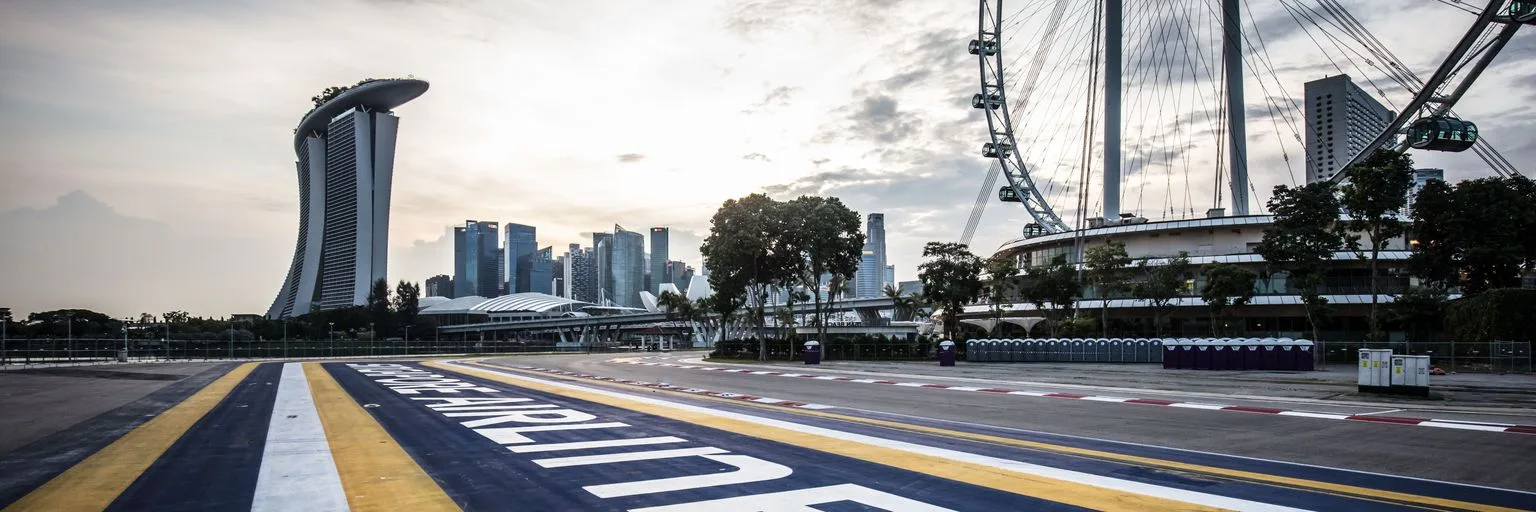
The recent rain-induced delays at the Singapore Grand Prix expose Formula 1's growing vulnerability to extreme weather, raising serious questions about its congested calendar and reliance on demanding street circuits.
The reported return of Formula 1 to Africa in 2030 with a Rwanda Grand Prix isn't just a race; it's a profound strategic move reflecting the sport's intent to reshape its demographic and financial future.
Despite the usual volatility of Moto3, Maximo Quiles holds a commanding lead in the 2026 World Championship, making the fight for second place arguably more compelling than the title itself.
Michelin's decisive ban on the soft compound rear tire at the Japanese Grand Prix underscores a crucial commitment to rider safety, forcing strategic upheaval in a championship battle already fraught with tension.
Diogo Moreira's historic MotoGP Sprint podium at Motegi, though achieved with the aid of penalties, marks a pivotal moment that could ignite a new era of two-wheeled racing passion in Brazil.