Motegi's Tire Turmoil: Michelin's Unwavering Stance for Rider Safety
Michelin's decisive ban on the soft compound rear tire at the Japanese Grand Prix underscores a crucial commitment to rider safety, forcing strategic upheaval in a championship battle already fraught with tension.
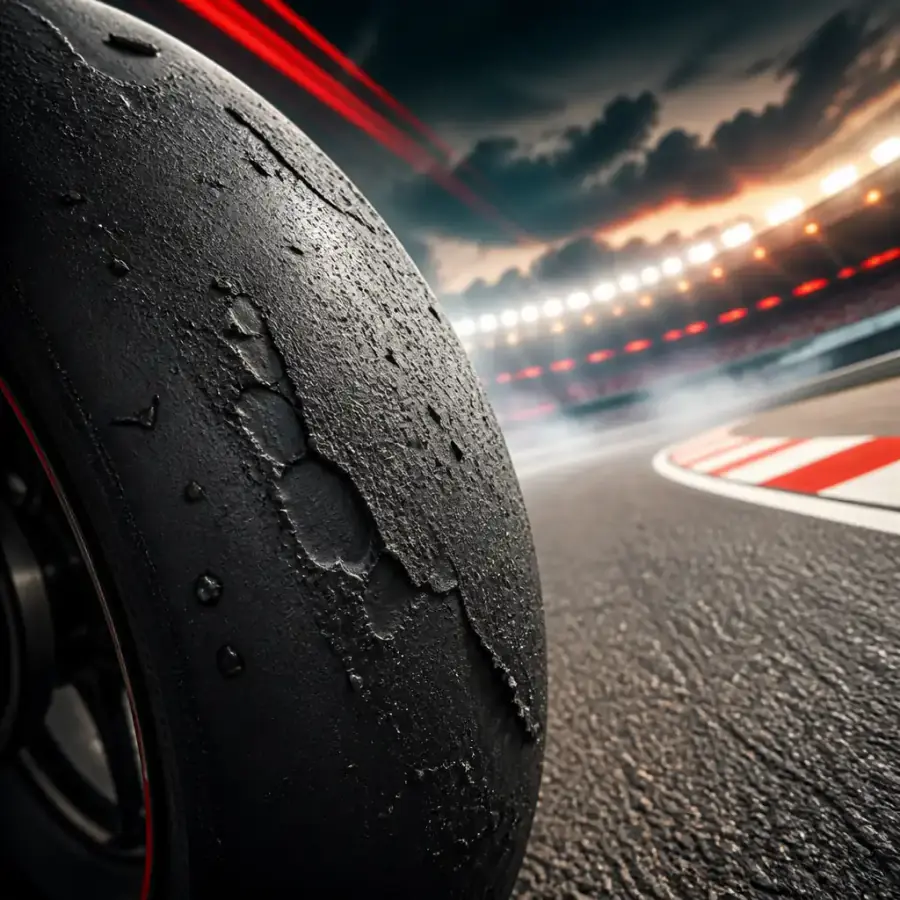
AI-generated image
The roar of MotoGP engines at Motegi this past weekend was quickly overshadowed by the collective gasp that followed Michelin's drastic decision: an outright ban of the soft compound rear tire for the Japanese Grand Prix. Was this a necessary evil, or a heavy-handed intervention that risks throwing the championship into disarray? In our view, it was a stark, undeniable triumph of safety over the relentless pursuit of performance.
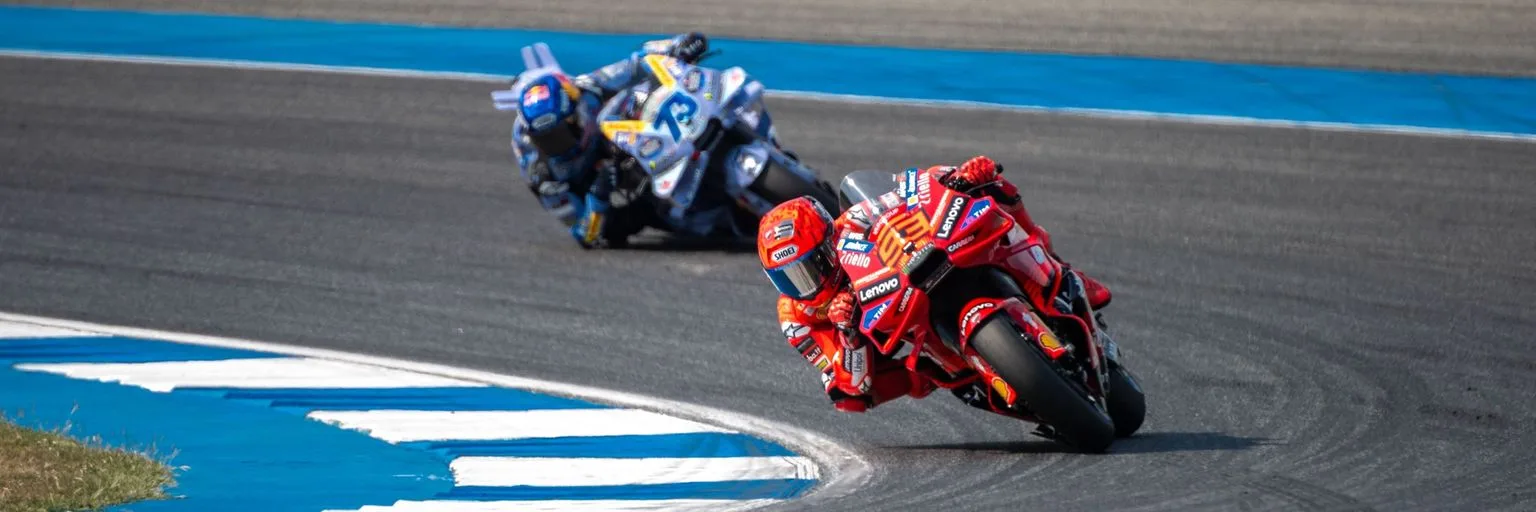
This extraordinary measure came after acute tire difficulties plagued several riders during the sprint race. Blistering and even delamination were observed, particularly affecting championship contenders like Jorge Martin and Francesco Bagnaia, whose tire images sparked widespread alarm, as Sports Yahoo reported and GrandePremio.com also noted. This wasn't merely a minor performance drop; it was a critical safety concern, prompting Michelin, the sole tire supplier until at least 2026, as confirmed by their own documentation, to remove the soft rear compound from the allocation for Sunday's main race. Motorbike Magazine reported that Michelin recommended the reinforced hard tire instead. The decision also prompted an extension of the warm-up session from 10 to 20 minutes, giving teams crucial extra time to adjust, as motorcycles.news detailed.
The Uncompromising Mandate of Rider Safety
When we witness issues like the severe blistering and delamination seen during the Motegi sprint, the priority must always be rider safety. For a race that is much longer than the sprint's 12 laps, these concerns would only be amplified, potentially leading to catastrophic consequences. Michelin's decision, though extreme, reflects an understanding that no amount of competitive intrigue or championship points is worth compromising a rider's well-being. It underscores the inherent tension in elite motorsport: pushing the limits of technology and performance while safeguarding those who push them. While some might argue about the timing or the necessity, the sight of a shredded tire on a high-speed machine makes the argument for itself. This wasn't a choice; it was an imperative to prevent potential disaster.
Motegi's New Asphalt: An Unpredictable Variable
The root of this tire crisis appears to lie largely with the newly resurfaced Motegi circuit. The fresh asphalt has undoubtedly improved grip and enabled faster lap times, but this enhanced performance has come at the cost of increased tire wear, as Motosan.es highlighted. Michelin had already arrived at Motegi with caution, lacking specific data on the new surface and, significantly, bringing a harder casing rear tire for the first time due to their lack of trust in the resurfacing, a move Motorpasion Moto confirmed. This preemptive move highlights the immense challenge tire suppliers face when tracks undergo significant changes without extensive prior testing. The interaction between the new, more abrasive surface and the soft compound, designed for specific performance windows, clearly pushed the tire beyond its safe operating limits, leading to the rapid degradation observed.
The Broader Impact on the Championship Narrative
The ban on the soft tire not only mitigated a safety risk but also dramatically reshaped the strategic landscape for the Japanese Grand Prix. Riders and teams who had banked on the soft compound for its outright speed were forced to adapt on the fly, with the medium and hard compounds becoming the only viable options for the race. This sort of intervention inevitably adds another layer of complexity to the championship fight, especially for riders like Martin and Bagnaia, who were directly affected by the tire issues in the sprint. The move ensures a level playing field from a safety perspective, but simultaneously introduces an unpredictable variable that could tilt the scales in the incredibly tight title race. It forces a test of adaptability as much as raw speed, a fascinating wrinkle in an already thrilling season.
Ultimately, Michelin's decision at Motegi, while disruptive, served as a potent reminder of the fundamental contract between sport and safety. In the high-octane world of MotoGP, where milliseconds separate glory from defeat, the integrity of the equipment — particularly the tires — is paramount. This incident might spark renewed discussions about tire development and track resurfacing protocols, but for now, it stands as a clear victory for rider well-being over the relentless pressures of competition.
No topics yet: start the first one.
More stories
Moreira's Motegi Milestone: A New Dawn for Brazilian Motorsport?
Diogo Moreira's historic MotoGP Sprint podium at Motegi, though achieved with the aid of penalties, marks a pivotal moment that could ignite a new era of two-wheeled racing passion in Brazil.
Motegi's Sprint: Why Marc Márquez Just Rewrote the MotoGP Title Fight
The 2026 MotoGP season's dramatic Japanese Grand Prix sprint race saw Marc Márquez cut Jorge Martín's championship lead to just seven points, transforming an already intense rivalry into a high-stakes duel as the final races approach.