Mercedes' title is real, but Antonelli's wet Sunday was a warning
Mercedes sealed the constructors' crown in São Paulo while its new world champion spun from the lead, and that wet Sunday says more about Kimi Antonelli's rain lessons than the trophy.
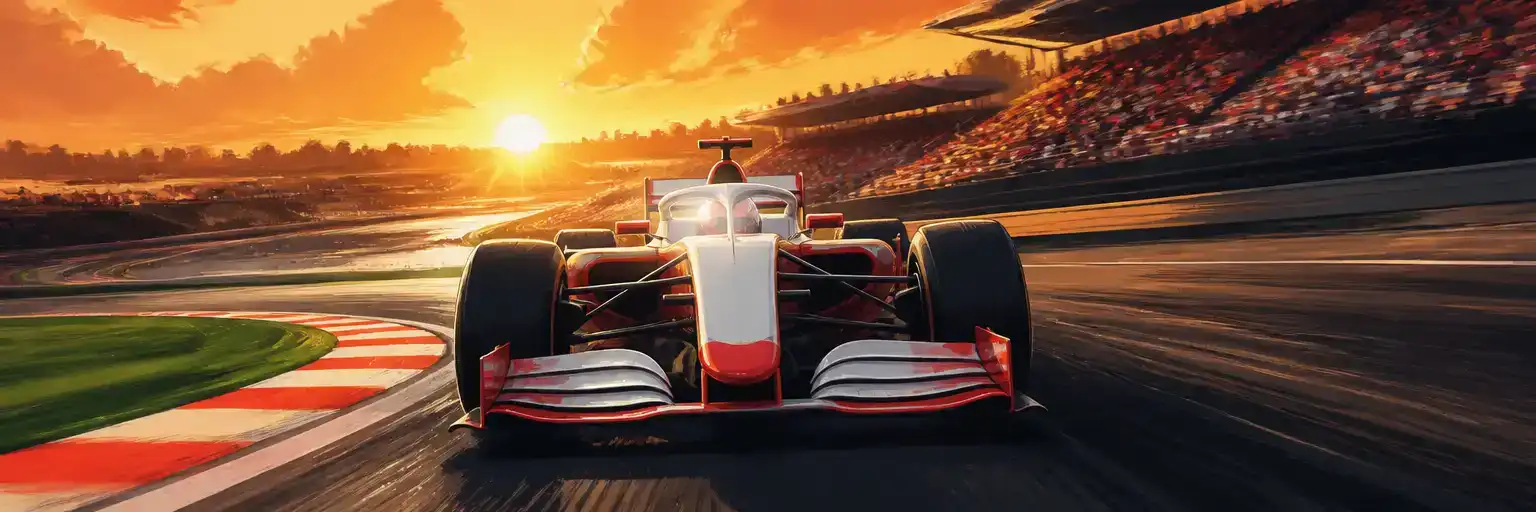
AI-generated image
What do you do on the day your team wins a championship and you, the reigning world champion, are the one who threw away a win? If you're Kimi Antonelli, you thank the factory, try to put the anger aside and quietly stew. That, in our view, is the real story of Interlagos.
The facts first. As Cyprus Mail reports, Mercedes secured their ninth constructors' title in a São Paulo Grand Prix won by Lando Norris, a week after the 20-year-old Antonelli became the youngest drivers' champion in Mexico City. George Russell finished fourth and Antonelli fifth with the fastest lap, which was enough to stay ahead of Ferrari.
The Italian had led after a brilliant start, but spun at Turn 1 shortly after reporting a suspension issue to his engineer, as GPBlog describes. Italian outlets also reported errors and an argument with his engineer, and Planet F1 reports an FIA unsafe-release investigation involving him. We'd treat the details of that cloud as unconfirmed until the stewards rule.
The title is deserved, and Sunday doesn't change that
Nobody should use this race to shrink what Mercedes did. Mercedes needed only three points more than Ferrari, and Ferrari never threatened, with Leclerc seventh and Hamilton ninth. Toto Wolff said the strong start to the season "got us over the line", and that sounds right to us: this crown was built in the spring, not in the rain.
It was also a team crown in the truest sense. Russell, who spun on his own pit exit, still admitted he "probably just took too much risk". Both cars had messy afternoons and the points still arrived. That's depth, and it's what constructors' titles are made of.
Wet races expose what champions haven't yet learned
Here's where we push back on the feel-good narrative. Antonelli is in only his second F1 season. Rain at Interlagos punished almost everyone, with spins and slippery moments all around, so we won't call it a collapse. But a leader who loses the car at the first corner, and who Italian outlets say clashed with his engineer, is showing, if those reports hold, a gap not in speed but in composure.
Compare that with Norris, who said the key for him was that he "kept it cool and didn't make any mistakes". Not a flashy quote, but it's the quote of someone who has been through a title fight. Verstappen, meanwhile, went from 21st to second. Those two showed what damp-track patience looks like.
To be fair, Antonelli's own account points to the car: Autosport reports he explained a "weird" spin and car instability. If the car was truly misbehaving, his frustration is legitimate. But the best champions turn a bad car into a fifth place without drama, and he got there, fastest lap included. The damage was a win, not a title.
What a young champion should do with a bad Sunday
Wolff's reaction may be the most useful thing to come out of Brazil. He said he wasn't celebrating, and was already asking "what went wrong in this race?" and what to fix for Las Vegas and next year. That's the culture Antonelli now lives in, and we think it's healthy.
Our recommendation is simple: Mercedes should treat this as a free lesson. The drivers' title is secured, so the cost of studying that radio exchange and the spin is zero. Next year everyone will be watching him in exactly these conditions.
Verdict: the constructors' title is real, earned and not tarnished by one wet Sunday. But the best sign of Antonelli's champion status won't be the trophies. It will be how he handles the next time the track turns on him and the voice in his ear says something he doesn't want to hear.
No topics yet: start the first one.
More stories
The FIA's Leclerc ban shows F1 still fears scrutiny
Pulling a veteran reporter's credentials over a column may be defensible on tone, but doing it without notice or a clear process looks like retaliation, not governance.
Interlagos is safe until 2035, but the fans must get the upgrades
São Paulo kept its Formula 1 race through 2035, but "significant investments" only matter if they fix the track and fan experience, not just premium hospitality.
Alan Jones didn't need his hand held, and F1 misses that
The 1980 champion, dead at 80, gave Williams its first title as a blunt, self-reliant racer. His story is a quiet indictment of how polished modern F1 has become.

Haas got the right rookie for Brazil, but handled Ocon the wrong way
Putting Rafael Câmara in the car at Interlagos makes sense on merit and on story. Refusing to explain why Esteban Ocon was removed is the part that should worry people.