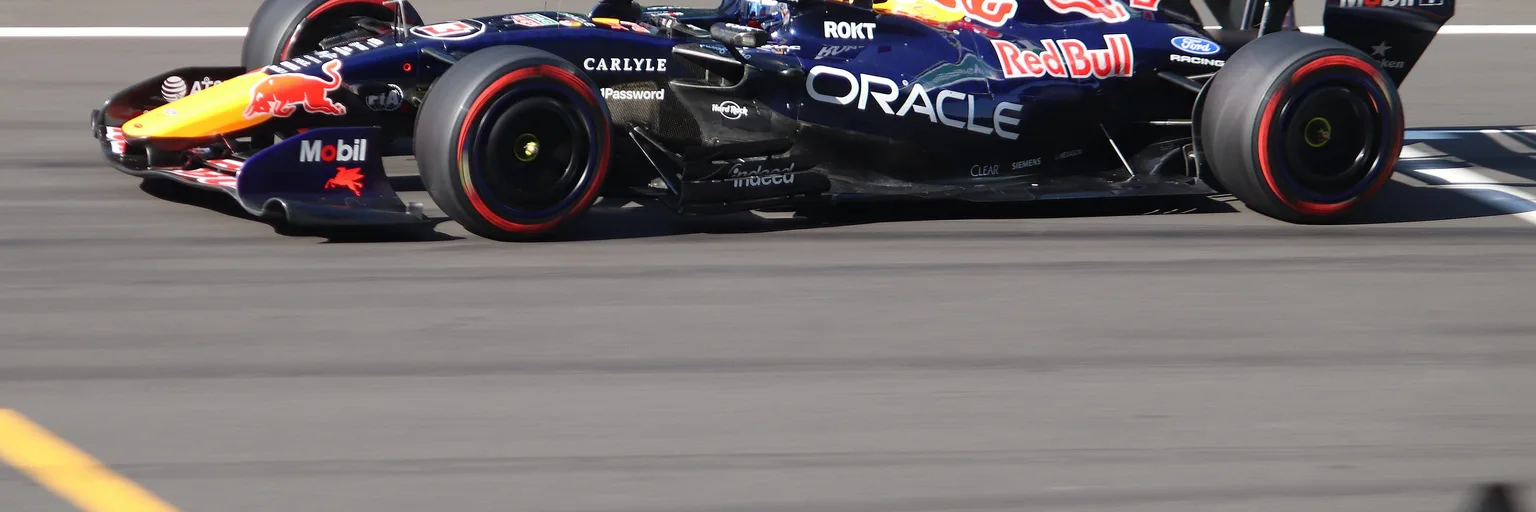
F1 Austin: Ferrari's Final Play, McLaren's 2027 Foresight
The United States Grand Prix in Austin is poised to be a pivotal event, showcasing Ferrari's last major 2026 upgrade push while McLaren leverages late-season developments to test concepts for its 2027 challenger.
Photo: pedrik / Wikimedia Commons (CC BY 2.0)
The Circuit of the Americas in Austin often delivers thrills, but this year's United States Grand Prix promises something deeper: a strategic crossroads where two of Formula 1's most iconic teams, Ferrari and McLaren, are setting their course for the immediate future and beyond. Is Austin just another race on the calendar, or a crucial proving ground for fundamentally different philosophies? We contend it's the latter, a weekend where immediate performance gains collide with long-term strategic foresight.
Ferrari arrives in Austin with its fourth, and reportedly final, significant aerodynamic upgrade package for the SF-26 this season. The team is eager to see these modifications, primarily a new floor alongside changes to the sidepods and bodywork, translate into tangible performance gains on track, aiming to boost downforce and improve stability. This aggressive push is a clear statement of intent, even as attention in Maranello begins to shift towards the 2027 car project.
Ferrari's All-In Bet on the SF-26
For Ferrari, the Austin GP, the 18th round of the 2026 season between October 23 and 25, represents the last major aerodynamic evolution of the SF-26 before the team fully concentrates its resources on the 2027 project, as Grande Prêmio reports. The new package's main objective is to increase the downforce generated underneath the car and ensure this effect is more consistent across various driving conditions, expanding the SF-26's operating window. Engineers have focused on managing airflow on the car's underside to prevent unwanted oscillations and on reducing drag, an area where the SF-26 has struggled.
The updates include a comprehensive revision of the floor, from the front section to the diffuser, and modifications to the cooling louvres to adapt to new sidepod geometries. Ferrari has maintained a conservative downwash approach and chosen to optimize existing solutions rather than a radical conceptual change, unlike some rivals who made significant but not immediately successful alterations to their sidepod designs. While considering concepts like Red Bull's aggressive sidepod geometry, Ferrari decided against such a substantial transformation for the SF-26, preferring to focus efforts on the floor, an area deemed to offer the greatest performance potential. This weekend will also be crucial for verifying the correlation between their development tools and the car's real-world behavior, a key step for future designs.
No topics yet: start the first one.
More stories
F1's Shifting Power Dynamics: Antonelli's Rise vs. Ferrari's Fraying Trust
As Kimi Antonelli stands on the brink of F1 history in Austin, the underlying tension at Ferrari surrounding Lewis Hamilton's strategy signals a deeper shift in the sport's established order.

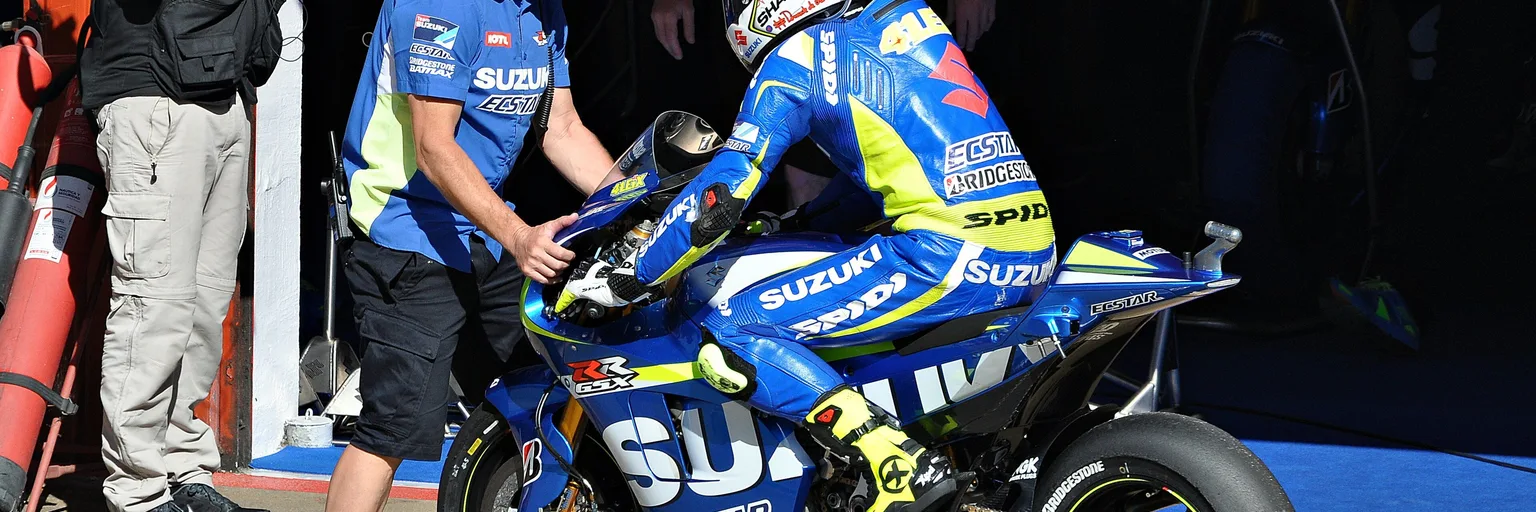
MotoGP Riders' Union: Power Shift or Paddock Illusion?
The escalating calls for a unified riders' association in MotoGP, championed by figures like Aleix Espargaró, signal a critical juncture where athletes demand a stronger voice against organizers and teams, fundamentally challenging the sport's power dynamics amid sweeping rule changes.
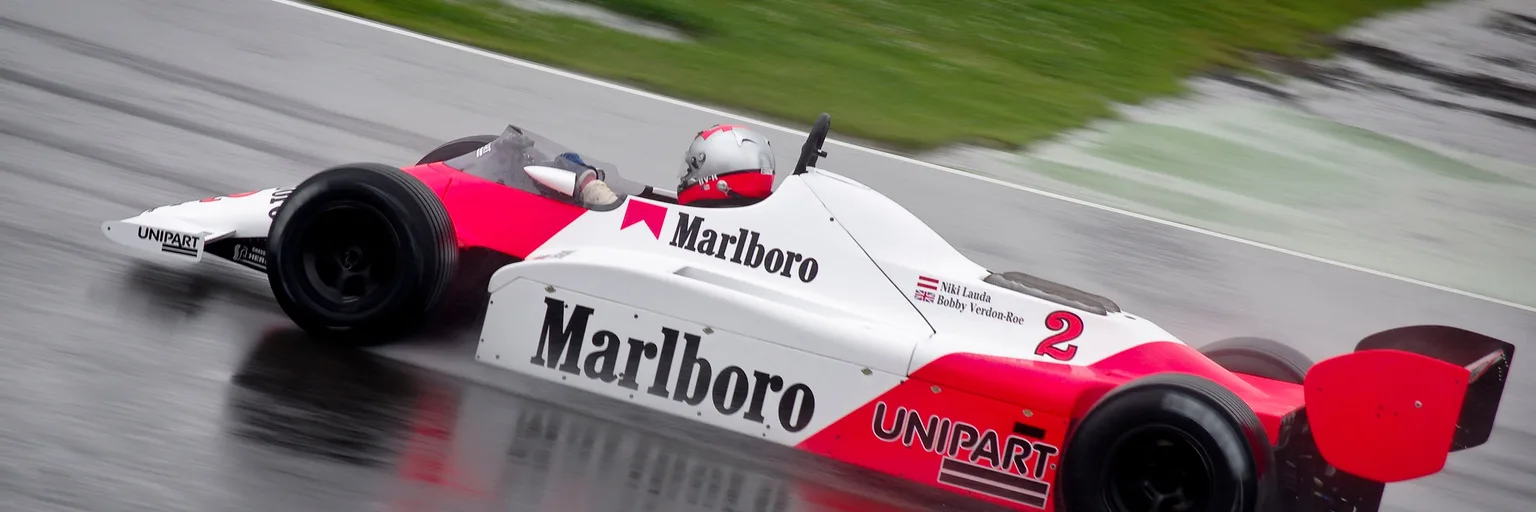
McLaren's Legacy on the Block: F1's New Gold Standard?
From iconic race winners to record-breaking road cars, the soaring value of historic McLarens at auction reveals a powerful commercial trend reshaping how Formula 1's rich heritage is monetized.
F1's 2026 Regulations: Are They Stripping Driver Talent From the Pinnacle of Motorsport?
The radical shift in F1's 2026 technical rules, prioritizing electric power and 'yo-yo' racing, is drawing heavy fire from star drivers like Verstappen and Alonso, forcing a reevaluation of the sport's core appeal.