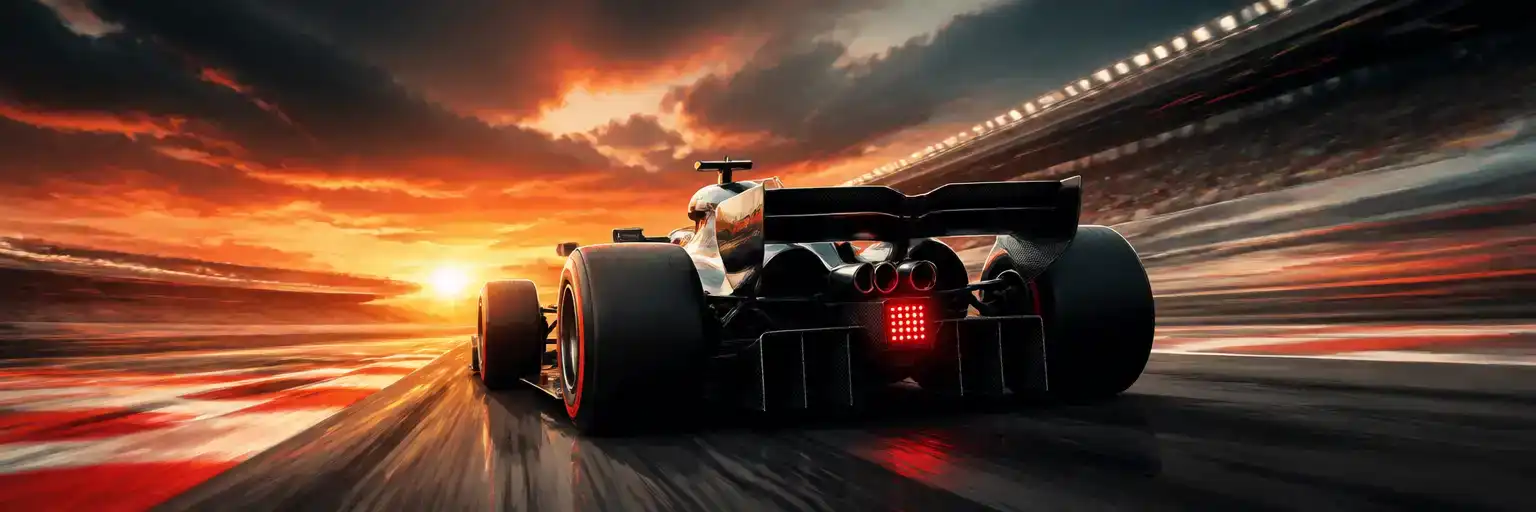
F1's 2026 Regulations: Are They Stripping Driver Talent From the Pinnacle of Motorsport?
The radical shift in F1's 2026 technical rules, prioritizing electric power and 'yo-yo' racing, is drawing heavy fire from star drivers like Verstappen and Alonso, forcing a reevaluation of the sport's core appeal.
Photo: Liauzh / Wikimedia Commons (CC BY 4.0)
Is Formula 1, the pinnacle of motorsport, inadvertently designing out the very essence of driver skill that defines its champions? That's the provocative question currently hanging over the sport as the new 2026 regulations spark significant debate, with top drivers like Max Verstappen and Fernando Alonso voicing strong criticisms that challenge the very direction of F1.
This year has seen the introduction of a radical overhaul to both the chassis and power unit regulations, with a particularly contentious shift towards a 50-50 split between electric power and the internal combustion engine. This change has ushered in a different style of racing, where battery management has become a critical factor, leading to what some are calling 'yo-yo' racing.
This new dynamic allows for overtakes in places not traditionally seen, a spectacle that was on full display at the British Grand Prix. However, this has not been met with universal acclaim, especially from experienced drivers who question if the regulations prioritize manufactured moments over genuine racing prowess.
The Erosion of Driver Skill
Fernando Alonso, a driver who has navigated many generations of F1 cars since his debut in 2001, has been particularly vocal, describing the 2026 cars as the “worst” he had driven in Monaco. His scathing review extended to the nature of overtakes under the new rules, stating that no “driver talent” is required to pass a car simply by pressing a button when one has more battery power, rather than through traditional outbraking maneuvers or daring outside overtakes at risk.
Alonso further elaborated that the traditional challenge of attacking fast corners and making risky overtakes seems to have “disappeared”. The veteran driver pointed out that high-energy circuits like Silverstone and Spa-Francorchamps exacerbate this issue, where deployment strategies mean entire sectors can be driven with significantly less power than even an F2 car. This suggests a shift away from raw driving ability towards a management game, raising concerns about the fundamental nature of competition.
Spectacle Versus Authenticity
While the FIA and the teams likely aimed to enhance the racing spectacle and attract new manufacturers with these regulations, the drivers' critiques highlight a potential trade-off with authenticity. Max Verstappen, a prominent critic of the anti-electrification movement within F1, has openly expressed his frustration, admitting that difficult weekends under the current rules can leave him counting the hours until he leaves the circuit.
No topics yet: start the first one.
More stories
Genesis Shakes Up WEC: A New Era of Hypercar Dominance Dawns?
Genesis Magma Racing's stunning pole position at the 6 Hours of Barcelona signals a pivotal shift in the WEC Hypercar class, challenging established titans and promising a thrilling, diverse fight for the championship.
Ferrari's F1 Pipeline: A Reserve Seat is Not a Consolation Prize
Dino Beganovic's promotion to an F1 reserve role for Ferrari signals a mature recognition of distinct talent pathways, moving beyond the all-or-nothing pursuit of a primary race seat.
Ferrari's 2026 Vision: Radical Aero, Young Talent, and the Iceman's Ghost
Ferrari is making bold moves for 2026, combining revolutionary aerodynamic designs with a robust investment in its driver academy, as the Scuderia races to end its long championship drought since Kimi Räikkönen's 2007 triumph.
F1's V8 Comeback: Nostalgia or a Strategic Masterstroke?
The confirmed return of V8 engines and lighter cars in Formula 1 aims to recapture traditional racing allure, but risks a costly misstep if it fails to engage star drivers like Max Verstappen, who has been vocal about his frustrations with recent changes.