The Ronaldo Saga: Is Player Autonomy Reshaping National Team Dynamics?
Cristiano Ronaldo's dramatic exit from the Portuguese camp, his vow to disclose the full story, and the federation's conciliatory tone suggest a new era where elite athletes increasingly assert control over their international careers.
Photo: Vitalii Vitleo / Shutterstock.com
When a player of Cristiano Ronaldo's stature walks out of a national team camp, it's never just about a tactical disagreement. It's a seismic event that forces us to question the delicate balance of power in modern football. Is the long-standing paradigm of unwavering national loyalty being challenged by the increasing autonomy of superstar athletes? The recent events surrounding Ronaldo and the Portuguese national team certainly suggest a shift.
The drama unfolded swiftly: six days ago, Ronaldo left Portugal's training camp following a reported rift with coach Jorge Jesus, reportedly unhappy after being benched for the September 27 match against Norway. He took to social media, confirming his decision to depart after a conversation with the Portuguese Football Federation (FPF) president, and, crucially, promising to tell the public the truth about the reasons behind his departure from the national team, a team to which he has always been dedicated, in due course. He concluded his message by wishing good luck to Portugal and all his teammates without exception, as reported by Yahoo Sports and Hola.com.
The Portuguese Football Federation (FPF) then issued its own brief statement, merely confirming Ronaldo's departure from the camp without offering detailed explanations, choosing not to declare it a definitive goodbye, according to Marca. This initial official silence, contrasted with Ronaldo's cryptic promise, fueled widespread speculation about the internal dynamics at play. The coach, Jorge Jesus, for his part, publicly denied any conflict, stating that the decision to bench Ronaldo against Norway was strictly technical and that "no incident" occurred, as reported by Hola.com.
The Federation's Olive Branch
Despite the controversial exit and the reported tension, the response from the FPF leadership has been notably conciliatory. The president of the Portuguese Football Federation, Pedro Proenca, publicly addressed the situation a few days later, painting the incident as a "misunderstanding that needs to be resolved internally." Proenca hailed Ronaldo as "the best player in history," emphasizing his more than two decades of dedication to Portuguese football and his status as "the ultimate symbol of Portuguese identity." As reported by GiveMeSport, the FPF president affirmed that Ronaldo "will always remain part of this group whenever he is fit and ready" and that he is "part of our legacy."
This public declaration, describing Ronaldo as an "icon" and the captain of the team in previous matches, signals the federation's clear intention to smooth things over rather than drawing a hard line. Proenca stated that with the recent international matches now concluded, there is "time and calm to sit down together and resolve the misunderstanding." Even coach Jorge Jesus echoed this sentiment, telling RTP that he is open to Ronaldo's return, stating, "I don't know what will happen. For me, everything is possible. It's up to Cris to decide his fate. If he is playing and wants to join the national team in the next call-up, why not? There is no resentment, it was just a misunderstanding, and in my opinion it is easy to resolve." This suggests a powerful concession to a player's wishes rarely seen in traditional national team setups.
Performance Without the Star
Curiously, Portugal's performance in Ronaldo's absence has been strong. The team went on to win both of their UEFA Nations League fixtures without him, defeating Denmark 4-2 and then recording another 2-1 win over Norway. Jorge Jesus has maintained a perfect record, winning all four of his opening fixtures in charge of the national team. This might complicate the narrative slightly, as the team's continued success could be leveraged in future negotiations, or it could simply mean the FPF feels it has even more leverage to accommodate their star, knowing the team can still perform at a high level. However, Ronaldo's 'liking' of an Instagram post criticizing his teammates for not backing him like Argentina's stars do Messi highlights his perception of a lack of support, adding another layer to the complex dynamic.
In our view, this saga goes beyond a mere misunderstanding; it reflects a broader trend. The deference shown by both the federation president and the coach in actively seeking to resolve the situation and inviting Ronaldo back, even after his controversial departure and public statements, underscores the immense power wielded by global football superstars. It indicates that for players of Ronaldo's caliber, loyalty to the national team may increasingly become a conditional commitment, negotiated on their terms, rather than an unquestioning obligation.
No topics yet: start the first one.
More stories
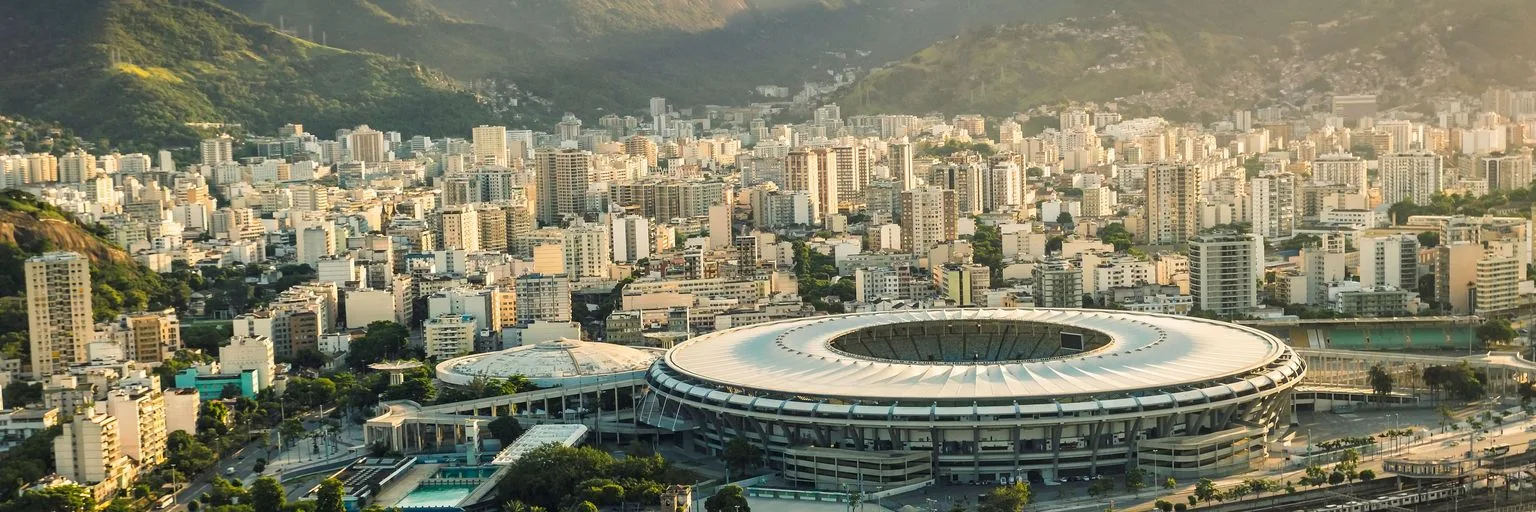
Maracanã: Is Public Oversight Overstepping Club Autonomy?
Flamengo's defiance of the Public Prosecutor's recommendation for Vasco to play at Maracanã exposes a deeper conflict over stadium control, challenging the limits of public bodies' intervention in club management.
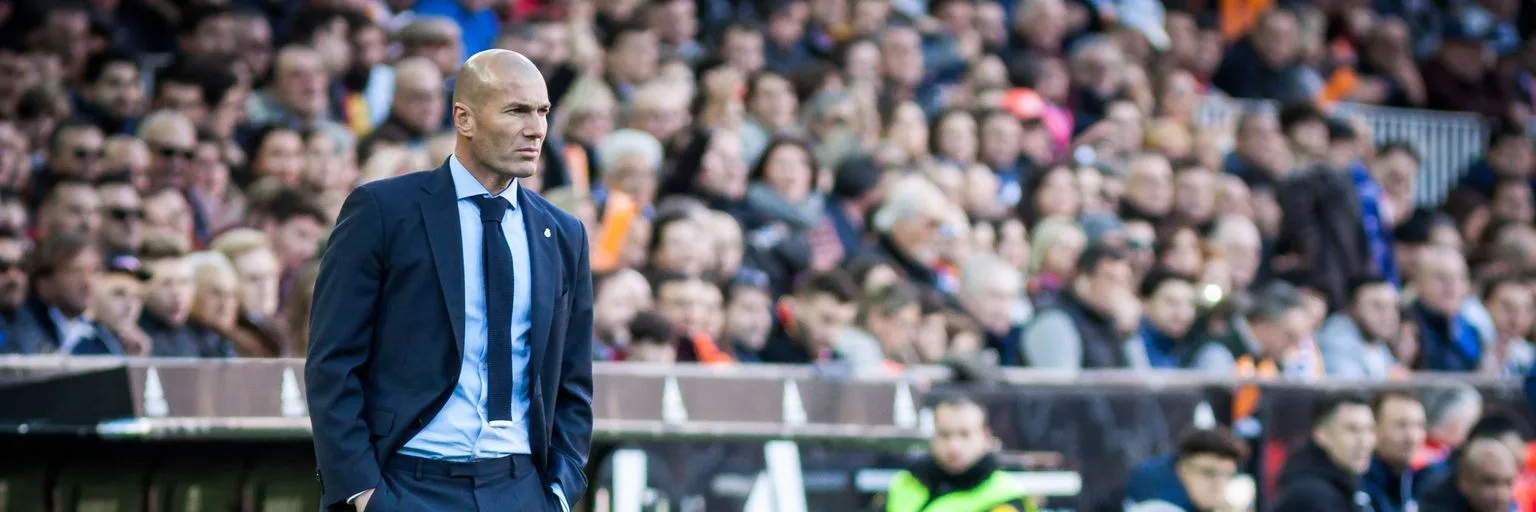
Zidane's Electric Start: A New Era for Les Bleus?
Zinedine Zidane's initial matches as France's national team coach have ignited palpable excitement and delivered promising results, strongly suggesting a transformative period for French football.
Nations League Drama: Italy's Resurgence Challenges France's Dominance
The 2026/27 UEFA Nations League has delivered gripping tactical battles, with Italy making a dramatic comeback and France solidifying its top position, setting the stage for crucial quarter-final qualifications.
Nations League: Portugal Thrives, Germany Stumbles in Tactical Shift
Recent UEFA Nations League matches reveal a confident Portugal excelling without its star, while Germany under Klopp faces unexpected challenges from resilient Greece, underscoring evolving power dynamics.