Malaysia's F1 meltdown: When tech complexity threatens sport's integrity
The chaotic Malaysian Grand Prix exposed how intricate F1 electronics, failing under rain, can undermine both safety and fair competition, leading to a troubling spectacle.
AI-generated image
What happens when the cutting edge of automotive engineering buckles under the simplest of elements: rain? The recent Bahrain Grand Prix in Malaysia offered a jarring answer, as the spectacle of Formula 1's most advanced machinery descended into an unprecedented display of confusion and frustration.
After an initial 40-minute delay due to torrential rain at the Sepang International Circuit, the start procedure for the Bahrain Grand Prix in Malaysia was dramatically aborted. During the formation laps behind the safety car, multiple 2026 F1 cars—including those of front-row starters Max Verstappen and Lewis Hamilton, alongside Oliver Bearman, and several Audis, Haas, Cadillacs, Alpines, and Racing Bulls—experienced a sudden and alarming loss of power. Drivers reported that their throttle pedals became unresponsive, with some cars crawling around the track or even coming to a complete standstill, forcing race control to wave a red flag and suspend the start.
This led to a further delay of over 45 minutes, compounding the wait for fans and leaving drivers bewildered. Haas driver Oliver Bearman expressed his shock, stating, "I've never seen or felt anything like that. I was shocked that… I didn't even know that the FIA could control our throttle pedal. That was quite scary, actually." Other drivers described the situation as "horrible" and "unacceptable," pointing to the increasing complexity of modern F1 machinery.
The Software Bug Behind the Chaos
The root cause was later confirmed by the FIA: a software bug. For rain-affected running, F1 cars are mandated to operate in an alternative engine mode with a maximum 250kW electrical power deployment, compared to 350kW in dry conditions. Additionally, certain sectors, like Turn 9 at Sepang, have specific safety-related power reductions. It was in this combination of circumstances—low speeds behind the safety car in these specific wet sectors—that the bug manifested.
FIA single-seater director Nikolas Tombazis explained that when cars dropped to very slow speeds, boost pressure fell, and without the MGU-K to compensate, a bug in the system triggered a 'continuous offset.' This emergency lockdown, designed to prevent teams from deliberately shutting down the MGU-K, inadvertently knocked out internal combustion engine power, leaving drivers with no throttle response. This grand prix marked the first proper in-weekend running for the 2026 cars in rain-affected conditions, exposing a critical oversight in their development.
A Failure in Testing, Not Just the Code
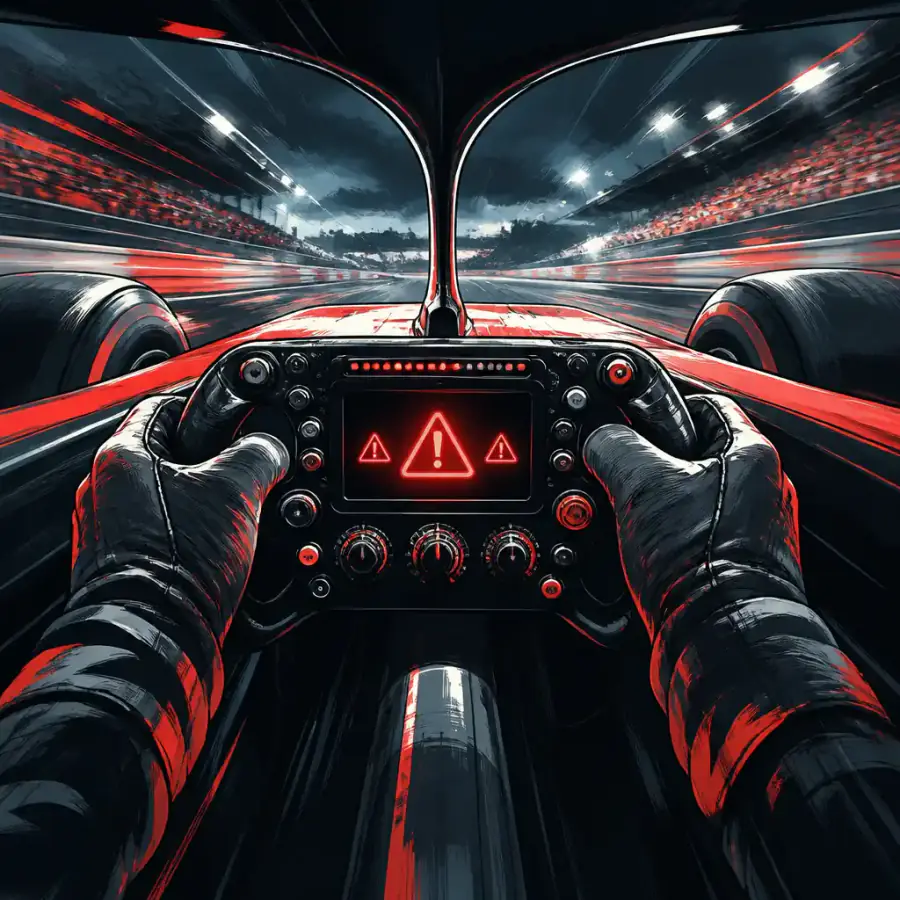
The FIA, which developed the software in collaboration with teams and power unit manufacturers, admitted that the issue had not been detected during testing. Tombazis conceded, "We didn't manage to test the software as extensively as we would have liked, because there's been very little wet running this year." While some wet testing had occurred, it did not replicate the specific conditions of extremely low speeds behind a safety car, which ultimately proved to be the Achilles' heel. Tombazis was candid about the situation, noting, "Any bug is a product of a mistake. I don't know of any software that doesn't have bugs and updates."
This incident highlights a troubling aspect of modern Formula 1: the immense reliance on intricate electronic systems that, despite rigorous testing, can still fail under unforeseen combinations of circumstances. The feedback from drivers—feeling their throttle pedals become disconnected—underscores the vulnerability introduced by these sophisticated controls, raising questions about driver agency and pure racing instinct being overridden by software glitches.
The "Hurried Solution" and Future Concerns
To salvage the race, the FIA technical department acted swiftly, writing and distributing an emergency software patch to all teams during the delay. This update removed the energy limit constraint in the affected sectors, ensuring MGU-K power was available even at low speeds. Tombazis described this fix as a "cobbled-up, hurried solution," executed under immense time pressure, yet it allowed the race to eventually proceed after teams installed the modified software.
While commendable in its rapid deployment, this emergency patch underlines the precarious balance between technological innovation and the sport's fundamental integrity and safety. The incident serves as a stark reminder that even with the most advanced engineering, a small software flaw, when combined with specific environmental conditions, can lead to widespread chaos. As F1 continues its pursuit of cutting-edge technology, ensuring comprehensive testing for every conceivable scenario—especially unpredictable ones like heavy rain at critical moments—becomes paramount to prevent similar spectacles from undermining the sport's credibility in the future.
No topics yet: start the first one.
More stories
Alonso's Longevity Defies Youth Trend: F1's Enduring Veteran Power
Fernando Alonso's contract extension with Aston Martin challenges the modern F1 focus on youth, proving that seasoned expertise and unwavering competitive fire remain invaluable assets in a rapidly evolving sport.
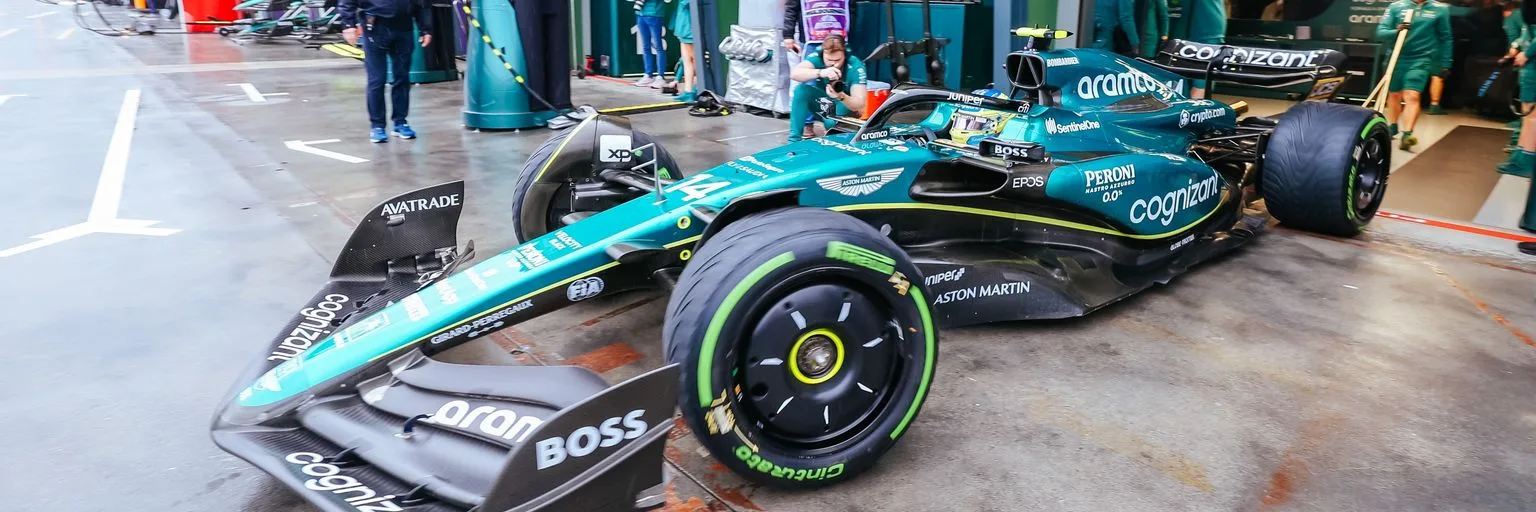
F1's Engine Mess: When Engineering Trumps Racing Spectacle
The chaotic 2026 Bahrain Grand Prix in Malaysia exposed a critical flaw in F1's new engine regulations, leading to stalled cars and a fan revolt over overly complex engineering.
Márquez's Motegi Absence: Peak Focus or Fan Engagement Blunder?
Marc Márquez's controversial choice to prioritize intense physical recovery over a promotional karting event at Motegi ignites debate on athlete dedication versus the crucial role of fan connection in modern MotoGP.
Maximo Quiles Dominates: Why the Moto3 Title Race Isn't as Open as it Seems
Despite the usual volatility of Moto3, Maximo Quiles holds a commanding lead in the 2026 World Championship, making the fight for second place arguably more compelling than the title itself.