F1's Engine Mess: When Engineering Trumps Racing Spectacle
The chaotic 2026 Bahrain Grand Prix in Malaysia exposed a critical flaw in F1's new engine regulations, leading to stalled cars and a fan revolt over overly complex engineering.
Photo: FiledIMAGE / Shutterstock.com
Was the 2026 Bahrain Grand Prix in Malaysia a thrilling display of racing, or a stark indictment of Formula 1's current direction? In our view, the chaotic events at Sepang, marked by stalled cars and widespread fan frustration, unequivocally exposed a critical flaw in the sport's obsession with engineering complexity over the raw spectacle of racing.
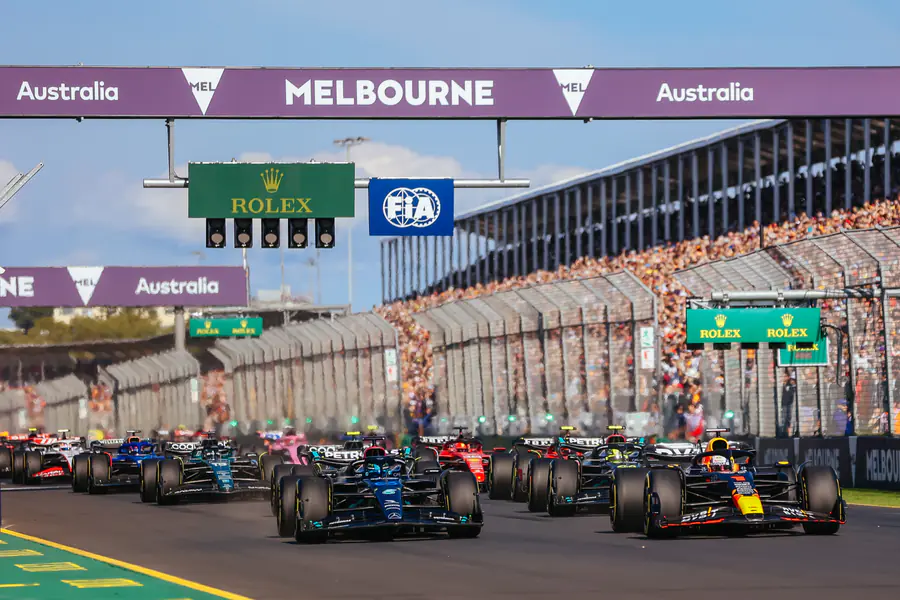
The unexpected relocation of the Bahrain Grand Prix to the Sepang International Circuit in Malaysia, necessitated by conflict in the Middle East, set the stage for a race many fans eagerly anticipated, marking F1's return to the iconic circuit after nine years. Yet, what unfolded on race day, October 4, 2026, quickly turned excitement into exasperation. A torrential downpour delayed the start, but the real trouble began during the formation lap. In unprecedented scenes, multiple cars suffered power unit failures, with engines cutting out and vehicles stalling on the track, even affecting drivers like Max Verstappen and Lewis Hamilton. The FIA later admitted a generalized error with software configured for wet conditions, leading to an update distributed to teams mid-race. This digital debacle, which Lando Norris called "horrible" and Oscar Piastri deemed "unprecedented", culminated in widespread criticism from fans online, branding the event a "disgrace" and a "pantomime". Max Verstappen eventually claimed his first victory of the 2026 season amidst the pandemonium, but the shine was certainly off the spectacle.
The 'Frankenstein' Problem: Complexity Over Competition
At the heart of the Sepang disaster lies F1's current engine regulations, which mandate highly complex hybrid power units, with up to 47% electric energy. This intricate design, intended to push technological boundaries, appears to have crossed a line into fragility. Carlos Sainz articulated this frustration, stating, "It's what happens when there's so much software and so many controls involved. If it were a naturally aspirated V8 engine, this never would have happened". Indeed, the FIA's explanation pointed to an "unprecedented combination" of low engine revolutions, low grip, wet-weather energy management settings, and circuit sector configurations that led to the power loss. This isn't just about a software bug; it's about a regulatory framework so intricate that a single, unforeseen variable can bring the entire show to a standstill. As George Russell lamented, "The power units are exceptionally complex. The more complicated you make things, the more likely something is to fail". We believe this incident highlights a fundamental misdirection: the sport risks alienating its audience by prioritizing arcane engineering challenges over compelling, uninterrupted racing.
Drivers Demand a Simpler, Faster Future
The drivers themselves have been vocal critics of the 2026 regulations, arguing that the complexity detracts from the pure act of racing. Max Verstappen, a four-time world champion, has repeatedly called for a rebalancing of power, advocating for less battery dependence and more combustion engine input. His critique is incisive: "You still have to go a little slower in some places to be faster... That's not what F1 should represent." This sentiment is echoed by Fernando Alonso and Carlos Sainz, who also believe the current 50/50 split between combustion and electric power isn't working. Sergio Pérez, meanwhile, has raised serious safety concerns, noting the dangerous speed differences between cars due to varying energy deployment. These are not minor complaints; they come from the very individuals pushing these machines to their limits. Their unified voice suggests a growing chasm between the FIA's regulatory vision and the on-track reality of what makes F1 exciting. The problem isn't just reliability; it's how the regulations force drivers into energy management tactics that can feel unnatural and counter-intuitive, diluting the thrill of full-throttle competition.
A Perilous Path for the Premier Class
The FIA has acknowledged the problems, taking responsibility for the software glitch at Sepang and promising a thorough review. Looking ahead, there are plans to adjust the regulations for 2027, reducing the proportion of electric power from 47% to 42%. However, the question remains: are these incremental changes enough? Or is a more fundamental shift required? The "Frankenstein cars" of 2026, with their propensity for glitches and their intricate demands on drivers, represent a sport that has, perhaps, lost its way in the pursuit of ultra-complex innovation. While technological advancement is part of F1's DNA, it must serve the spectacle, not overshadow it. The Bahrain Grand Prix in Malaysia served as a harsh wake-up call, demonstrating that when the technology becomes too dominant and too fragile, the spirit of racing suffers. It is time for F1's rulemakers to listen to the drivers and the fans, and steer the sport back towards a future where the machines empower the spectacle, rather than hindering it.
No topics yet: start the first one.
More stories
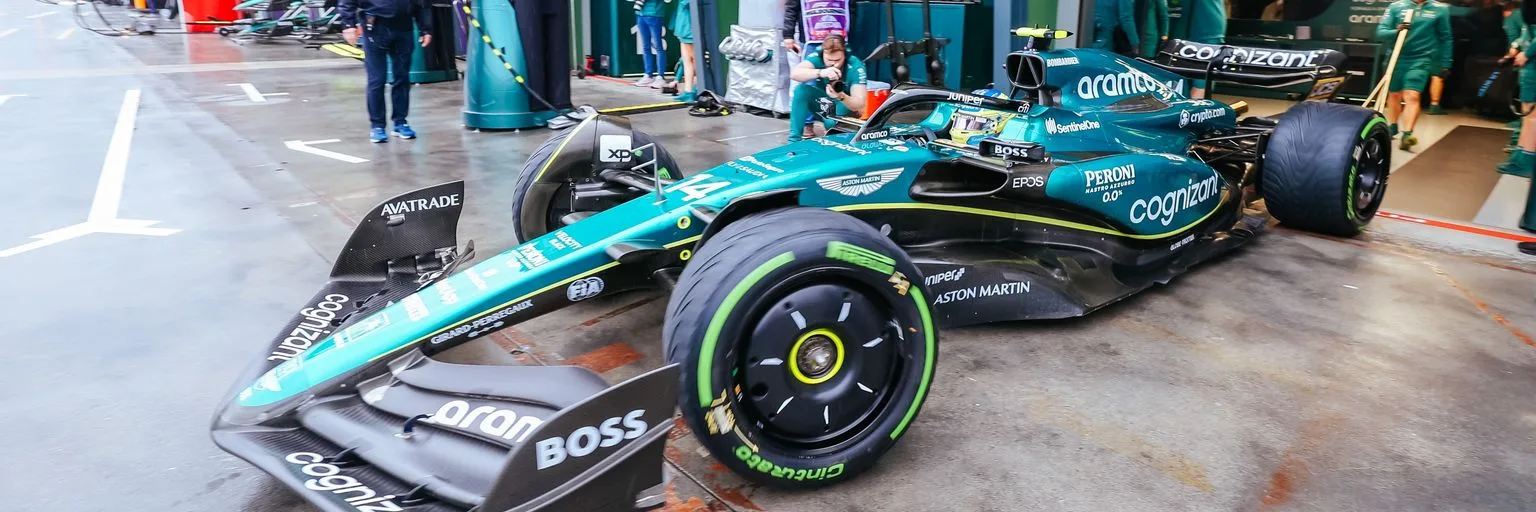
Alonso's Longevity Defies Youth Trend: F1's Enduring Veteran Power
Fernando Alonso's contract extension with Aston Martin challenges the modern F1 focus on youth, proving that seasoned expertise and unwavering competitive fire remain invaluable assets in a rapidly evolving sport.
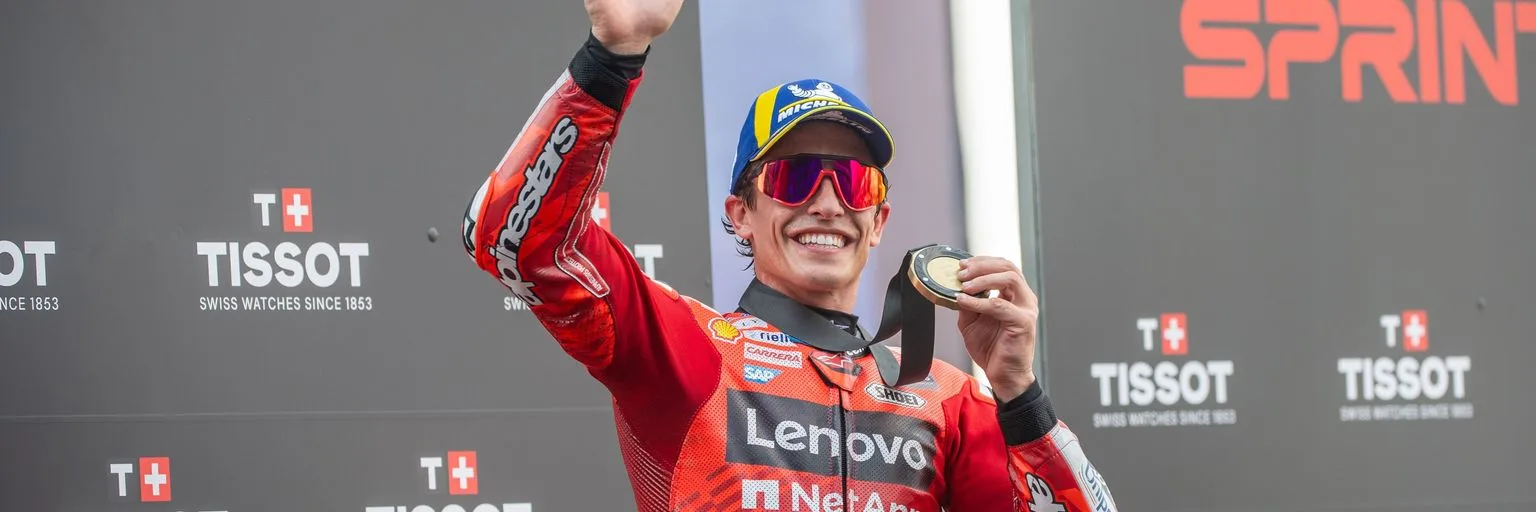
Márquez's Motegi Absence: Peak Focus or Fan Engagement Blunder?
Marc Márquez's controversial choice to prioritize intense physical recovery over a promotional karting event at Motegi ignites debate on athlete dedication versus the crucial role of fan connection in modern MotoGP.
Maximo Quiles Dominates: Why the Moto3 Title Race Isn't as Open as it Seems
Despite the usual volatility of Moto3, Maximo Quiles holds a commanding lead in the 2026 World Championship, making the fight for second place arguably more compelling than the title itself.
Motegi's Tire Turmoil: Michelin's Unwavering Stance for Rider Safety
Michelin's decisive ban on the soft compound rear tire at the Japanese Grand Prix underscores a crucial commitment to rider safety, forcing strategic upheaval in a championship battle already fraught with tension.