Mercedes' Unmatched Profitability: A Threat to F1's Competitive Soul?
Mercedes-AMG Petronas F1 Team's immense 2025 revenue, exceeding £633 million, and its projected billion-dollar future underscore a financial supremacy challenging competitive equity in Formula 1.
Photo: Artes Max from Spain / Wikimedia Commons (CC BY-SA 2.0)
Can a Formula 1 team be both a dominant racing force and an unparalleled commercial juggernaut, pushing the boundaries of financial sustainability in the sport? The financial disclosures from Mercedes-AMG Petronas F1 Team suggest that not only is it possible, but it may also be setting a new, potentially challenging, paradigm for the entire grid. As Mercedes charges towards another Constructors' Championship in 2026, their 2025 financial reports paint a picture of immense profitability, with revenue figures that dwarf many competitors.
Mercedes, which finished second in the 2025 Constructors' Championship, reported revenue of approximately £633.4 million for that year, according to accounts filed with Britain's Companies House. This impressive figure resulted in a profit after tax in the range of £125 million to £133 million, and allowed the team to distribute dividends to shareholders of approximately £125 million, as reported by Motorsport.com, F1i.com, and RacingNews365. These dividends were paid to shareholders including Mercedes-Benz, Ineos, and team principal Toto Wolff. While these numbers are from 2025, the team currently leads the 2026 Constructors' Championship with 578 points, a significant 134-point advantage over Ferrari, making a title victory a strong possibility, as confirmed by Motorsport.com.
The Commercial Machine Behind the Silver Arrows: A New Model of Dominance
The sheer scale of Mercedes' financial operation is truly remarkable. The bulk of their 2025 revenue, over £415 million (approximately $556 million), stemmed from sponsorship and licensing activities, a testament to the team's strong commercial appeal. This commercial prowess is continuously expanding, with new high-profile partners like adidas, Meta AI, and Nasdaq joining in 2025, and Microsoft, Nu, and Zuma added in the first quarter of 2026, as noted by F1i.com. This consistent influx of corporate backing means Mercedes' brand magnetism appears largely unaffected even when rivals like McLaren, who won the 2025 title, capture more TV broadcast attention. In our view, this highlights a crucial shift: F1 teams are no longer just racing entities but sophisticated global marketing platforms, capable of generating substantial revenue streams independently of on-track results.
Crucially, some analysts believe that if this trend continues, Mercedes could well break the $1 billion revenue barrier when its 2026 accounts are released next year, as RacingNews365 suggests. This potential milestone isn't merely about bragging rights; it signals a new financial frontier for the sport. Building on this momentum, the physical infrastructure is also growing, with two new buildings at their Brackley headquarters expected to be completed in the second half of 2026, further solidifying their long-term operational strength. This holistic approach — combining engineering excellence with unparalleled commercial savvy — appears to be setting a new standard for F1 team viability.
The Growing Divide: A Threat to Competitive Balance?
The massive financial success of a team like Mercedes inevitably raises pressing questions about competitive balance within Formula 1. While Mercedes posts robust profits and distributes substantial dividends, other established teams grapple with different financial realities. For instance, McLaren Racing Limited, despite winning the 2025 Constructors' Championship, reported a £17.4 million loss for the year on revenues of £588.5 million. This stark contrast underscores a potential chasm between the sport's biggest earners and the rest of the grid. Even new entrants face an uphill battle, as evidenced by the TWG Cadillac Formula 1 Team Limited, which lost £121.9 million in 2025 while preparing for its 2026 debut, primarily due to a lack of commercial sponsorship and prize money, as detailed by RacingNews365.
The financial regulations and cost cap aim to level the playing field on track, limiting expenditure on core racing operations. However, the ability to generate external commercial revenue remains largely unchecked, potentially allowing the wealthiest teams to invest more heavily in areas not covered by the cap, such as infrastructure, marketing, and talent acquisition outside of direct racing activities. This creates a challenging scenario where a team's financial might could indirectly influence its competitive advantage, regardless of strict cost controls.
Sustainability and the Future of F1's Ecosystem
In our analysis, the burgeoning financial might of teams like Mercedes presents a double-edged sword for Formula 1. On one hand, it validates the sport's growing global appeal and its transformation into a prime commercial asset. The ability to attract major brands and generate such substantial revenue streams ensures the sport's long-term viability and growth. On the other hand, if a significant financial disparity persists or widens, it could erode the competitive integrity that F1 purports to champion. The spirit of the cost cap is to promote closer racing and give every team a fighting chance. However, the burgeoning commercial revenue streams of the top teams, if not carefully considered, could offer them an inherent advantage in other crucial areas, leading to a perpetual cycle of dominance that may ultimately make the sport less engaging for fans and unsustainable for smaller teams. For F1 to truly thrive, the entire ecosystem needs to be healthy, not just the powerhouses.
Ultimately, Mercedes' financial performance is a staggering achievement, signaling the emergence of F1's first potential billion-dollar team. This financial prowess, combined with their 2026 championship aspirations, solidifies their position at the pinnacle of both on-track performance and off-track business acumen. However, this success also acts as a powerful mirror, reflecting fundamental questions about how Formula 1 can ensure a truly sustainable and balanced competitive environment for all its participants in this new era of hyper-commercialization. The future of F1's competitive landscape may depend on finding that delicate balance between celebrating financial success and safeguarding competitive equity.
No topics yet: start the first one.
More stories
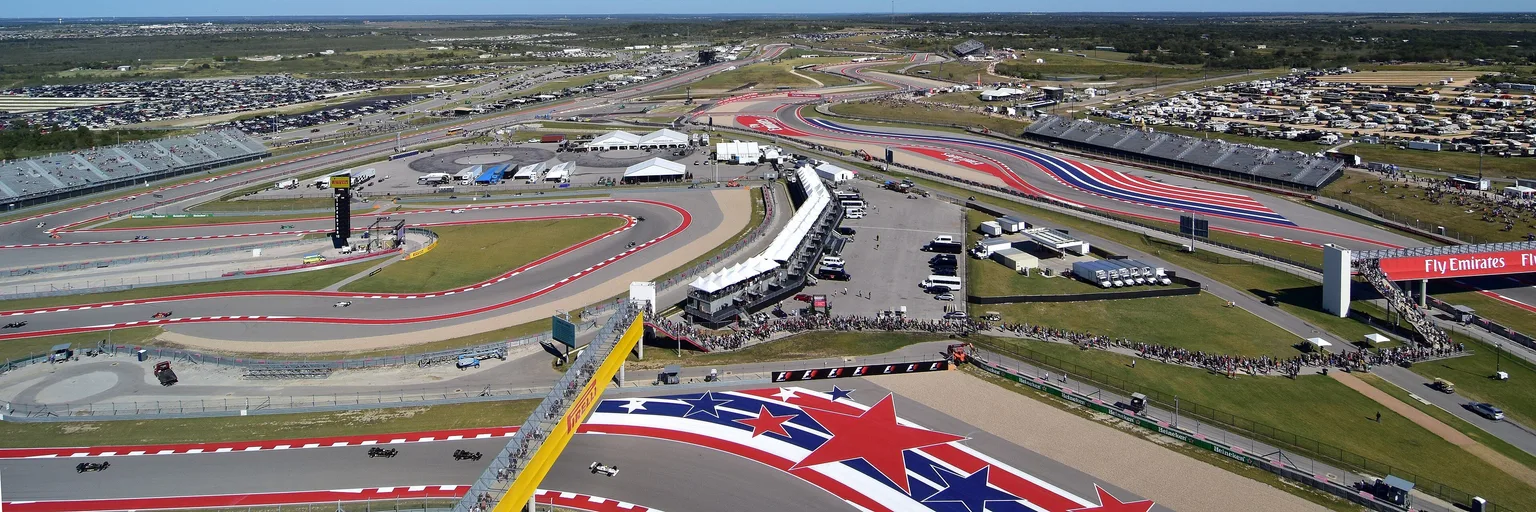
F1 Austin: Ferrari's Final Play, McLaren's 2027 Foresight
The United States Grand Prix in Austin is poised to be a pivotal event, showcasing Ferrari's last major 2026 upgrade push while McLaren leverages late-season developments to test concepts for its 2027 challenger.
F1's Shifting Power Dynamics: Antonelli's Rise vs. Ferrari's Fraying Trust
As Kimi Antonelli stands on the brink of F1 history in Austin, the underlying tension at Ferrari surrounding Lewis Hamilton's strategy signals a deeper shift in the sport's established order.

MotoGP Riders' Union: Power Shift or Paddock Illusion?
The escalating calls for a unified riders' association in MotoGP, championed by figures like Aleix Espargaró, signal a critical juncture where athletes demand a stronger voice against organizers and teams, fundamentally challenging the sport's power dynamics amid sweeping rule changes.
McLaren's Legacy on the Block: F1's New Gold Standard?
From iconic race winners to record-breaking road cars, the soaring value of historic McLarens at auction reveals a powerful commercial trend reshaping how Formula 1's rich heritage is monetized.