China pulled LaLiga over one joke. Plan for a world without it
Apologies from Mbappé, Real Madrid and LaLiga did not end the anger. The row shows leagues rent access to a market they never control, and should budget accordingly.
AI-generated image
What is a broadcast deal worth if one podcast clip can switch it off? That is the question LaLiga should be asking itself this week, and it is a much less comfortable one than "how fast can we apologize?"
The facts are short. In a clip from the podcast "The Bridge," Kylian Mbappé said the meme he laughed at most was one linking him to what he believes is a Chinese dictator, an apparent reference to edits placing his face on images of Mao Zedong. The extract dates from April, but it only went viral six months later. According to AFP via Boursorama, Dongpeng, Mengniu and Milkground cut ties, and state broadcaster group CMG suspended Spanish league matches as well as all matches and ads involving the player.
Mbappé apologized, LaLiga apologized, and Real Madrid apologized too. China's foreign ministry spokesman said Beijing takes his apology seriously. Yet in the reports we have seen, the suspension has not been lifted, and the coverage speaks of anger that has not subsided.
The apology is the opening bid, not the settlement
Note what was and wasn't punished. Mbappé made the remark. The league didn't. Yet the league lost its broadcast window. In our view, that tells us the blackout was never really about accountability. It was about showing that access is conditional, and that the party being punished is whoever is most exposed.
The apologies also had an awkward feature: almost nobody in China can read what he actually said. AFP reports that his original comments were not published, or were deleted, on Chinese social networks, and state media refer only to inappropriate remarks about China. Subscriptions to his Weibo and Xiaohongshu accounts were blocked. When the offense can't even be repeated, it can't be settled with a precise retraction. That's why we think this will not end quickly, whatever the French federation's president, Philippe Diallo, hopes in saying the row shouldn't last.
LaLiga sells access, and access is on loan
For years the pitch from big leagues has been simple: huge audiences abroad, especially in China, justify international tours, tailored kickoff times and marketing budgets. It's a reasonable pitch. But the audience arrives through a gate that someone else holds. Football's popularity there is real, since Mbappé has a million followers on Weibo, but popularity is not ownership.
The pattern is not new. AFP notes that other major athletes have faced fierce backlash over remarks about President Xi Jinping, Taiwan or Hong Kong. We'd add our own reading: those precedents are not warnings about individual players. They are a business model risk. Any league that earns serious revenue there has outsourced a slice of its cash flow to a political mood.
And note who is still reachable: unofficial Mbappé merchandise can still be bought on Taobao, according to AFP. Fans' interest hasn't vanished. The official, monetizable channel did. That's exactly the gap between audience and market.
What LaLiga should do now
First, stop treating China as a base case in revenue forecasts. Treat it as upside that can disappear within hours, which, on this evidence, it can. Second, build audience relationships it owns: direct streaming, data, club-level communities, rather than only rights sold to a single state-linked gatekeeper. Third, accept that players will say things, and that media training cannot cover a podcast clip recorded in April and recirculated six months later.
Our verdict: LaLiga was right to apologize, because the cost of silence was higher. But it should not confuse an apology with a fix. If China returns, good, and it probably will at some point. Yet the league has just learned what a prized overseas audience is really worth: exactly as much as someone else decides, on any given day. Plan for the day it doesn't come back.
No topics yet: start the first one.
More stories
Argentina's 30-team league is a reshuffle, and River's lone "no" knows it
The AFA again treats the format as the cure, but keeping 30 clubs and rearranging the fixtures dodges the harder questions, and River's solitary vote exposes that.
Bayern's guard of honor for Kane is smart branding, if the grind stays first
Bayern turned a Ballon d'Or into club capital with a simple warm-up ritual. It's good culture and good marketing, provided the real work stays the priority.
Ronaldo's B.O.A.T. win proves who sells votes, not who is greatest
France Football's paid fan vote crowned Ronaldo's 2008 season the best Ballon d'Or ever, but it measures reach and loyalty, and the GOAT debate needs criteria, not polls.
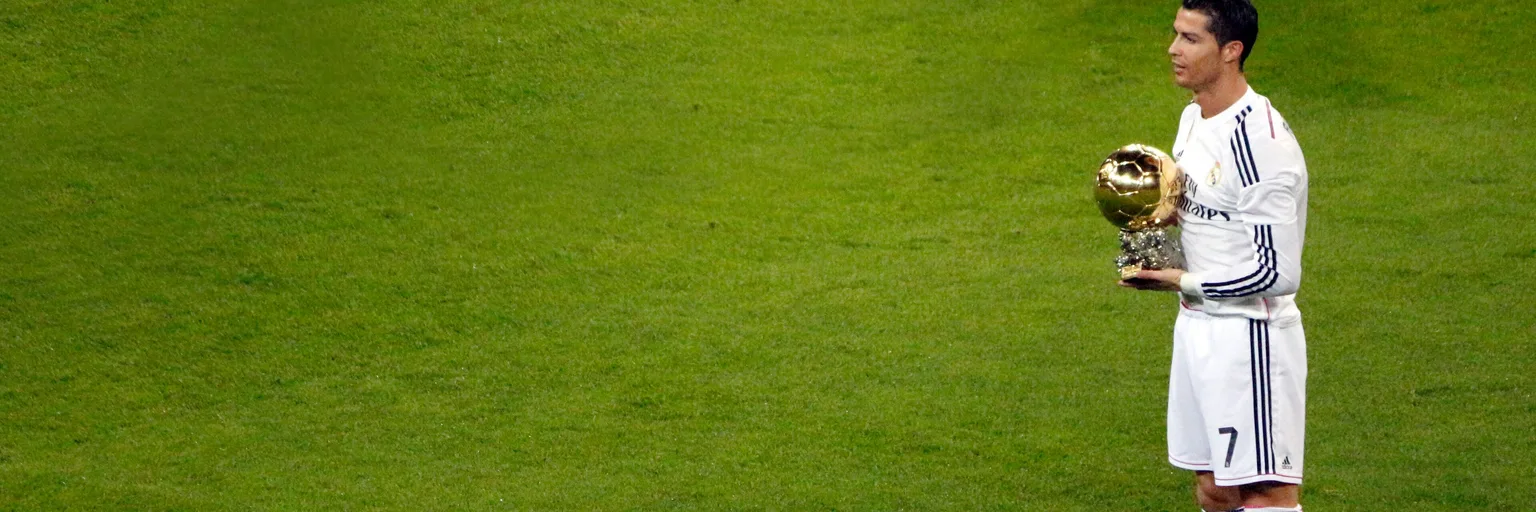
Iraola vs. Alonso at Anfield: the cup is the excuse, identity is the test
The Carabao Cup tie between Liverpool and Chelsea is a cheap trophy hunt on paper, but it shows what each new manager is really building: chaos and control versus shape-shifting fragility.