Argentina's 30-team league is a reshuffle, and River's lone "no" knows it
The AFA again treats the format as the cure, but keeping 30 clubs and rearranging the fixtures dodges the harder questions, and River's solitary vote exposes that.
AI-generated image
How many times can a league be reinvented before someone admits the format was never the problem? Argentine soccer is about to test that limit again. On October 29, 2026, the clubs approved yet another competition design, and the most interesting thing about it is not what it contains but who refused to sign.
According to La Capital de Mar del Plata, the top flight will keep its 30 teams, drop the two zones and move to a full round-robin of 30 matchdays, starting January 24. Apertura and Clausura stay, each with playoffs, and there is also an annual table with its own champion. Semifinals and finals will be played at neutral stadiums.
River Plate was the only club to vote no. Estudiantes de La Plata sided with River, but as El Día reports, it could not vote because its authorized representatives, Juan Sebastián Verón and Pascual Caiella, are suspended after the scandal at the Supercopa Internacional.
Fixing the fixture list is the easy part
Credit where it is due: scrapping the zones is a sensible change. A league where every team plays every other team is easier to explain and harder to argue with than one where your rivals depend on which zone you land in. Going from 32 matchdays to 30 is a small gift to the calendar, too.
But look at what stayed untouched. The number of clubs is the same. Apertura and Clausura, with their playoffs, are still there. Two relegations remain, one by averages and one by the annual table. This is a reshuffle that keeps every structural feature clubs care about and changes the one that was easiest to change.
Our view: when a league keeps rewriting its format, it is often avoiding a harder conversation. Nothing in the approved design touches the size of the league or the number of tournaments handing out titles, and we think that is telling. Format is the cheapest lever a governing body can pull, because it generates headlines without forcing anyone to lose something.
The structure also produces a lot of trophies. Sport.es reports that the new system will hand out eight trophies and could reward four different teams. That is an opinion-worthy number on its own: a champion-heavy league is a good sales pitch, but we doubt it makes the product more competitive.
River's "no" is the real headline
River's argument was simple: 30 teams is too many. Its counterproposal, according to El Intransigente, was to return to 20. You can disagree with that, and there are good reasons to. Cutting ten clubs at once is brutal, and Argentinos Juniors president Cristian Malaspina said he knows of no one who wants ten relegations, adding that it is hard to undo the ten promotions voted in 2014.
That is a fair point about politics. It is also a revealing one. The 30-team league survives not because anyone has shown it is the best size, but because shrinking it means somebody pays the price, and no one wants to be that somebody. A format built on avoiding that vote is a format built on inertia.
We also think it is worth separating River's motives from its message. The club is in an open dispute with AFA president Claudio Tapia, which Clarín frames as a deepening feud. A protest vote from an opponent is easy to dismiss as politics. Yet the substance of River's objection, that the league is too large, is the one structural question the new format refuses to answer. Being politically motivated does not make it wrong.
Welcome the cleaner schedule, skip the victory lap
The round-robin is a modest improvement dressed up as a reform. Fans should welcome the cleaner schedule and be skeptical of anything sold as a turning point. The next real test is not the January 24 kickoff; it is whether the AFA is ever willing to talk about the size of the league and the health of the clubs themselves. Until then, expect the next format change to arrive on schedule.
No topics yet: start the first one.
More stories
Bayern's guard of honor for Kane is smart branding, if the grind stays first
Bayern turned a Ballon d'Or into club capital with a simple warm-up ritual. It's good culture and good marketing, provided the real work stays the priority.

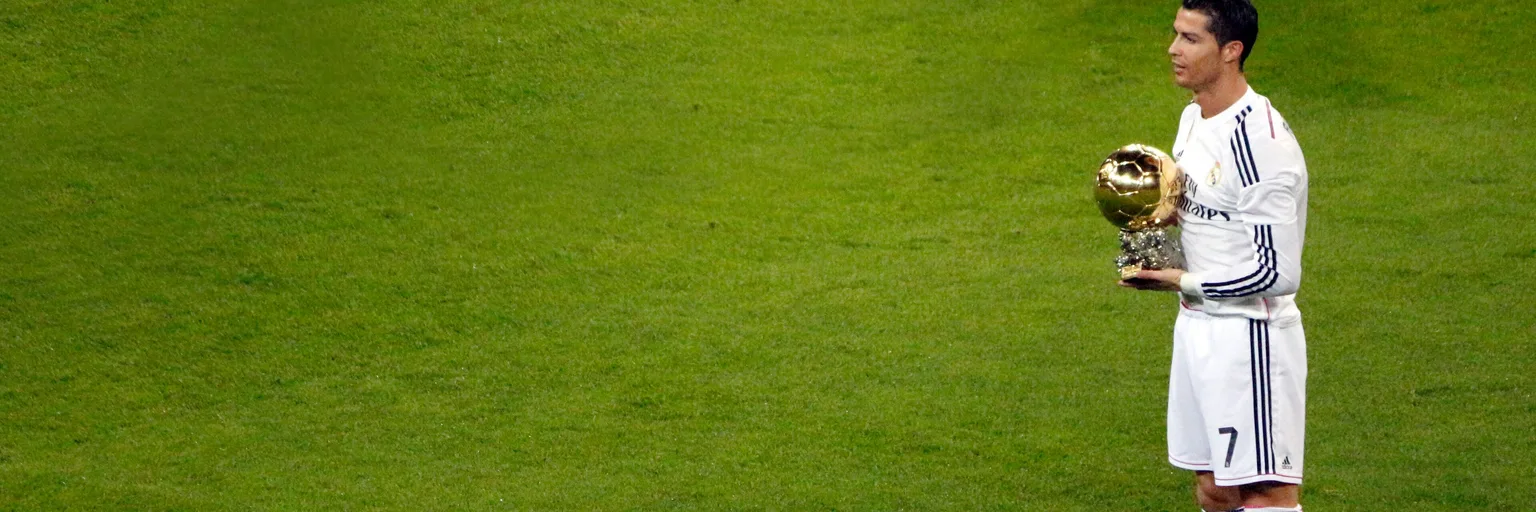
Ronaldo's B.O.A.T. win proves who sells votes, not who is greatest
France Football's paid fan vote crowned Ronaldo's 2008 season the best Ballon d'Or ever, but it measures reach and loyalty, and the GOAT debate needs criteria, not polls.
Iraola vs. Alonso at Anfield: the cup is the excuse, identity is the test
The Carabao Cup tie between Liverpool and Chelsea is a cheap trophy hunt on paper, but it shows what each new manager is really building: chaos and control versus shape-shifting fragility.
One quip, one blackout: LaLiga's China bet is now hostage to its stars
China's CCTV has pulled LaLiga over Mbappé's Mao joke. The league built a market on star power and never priced in the risk that the same stars can switch it off.