Atlético-MG’s Repeat Final Is Brazil’s Sudamericana Warning
Atlético-MG’s second straight Sudamericana final points to Brazilian consistency, but Boca Juniors will test whether depth can survive a stronger final exam.
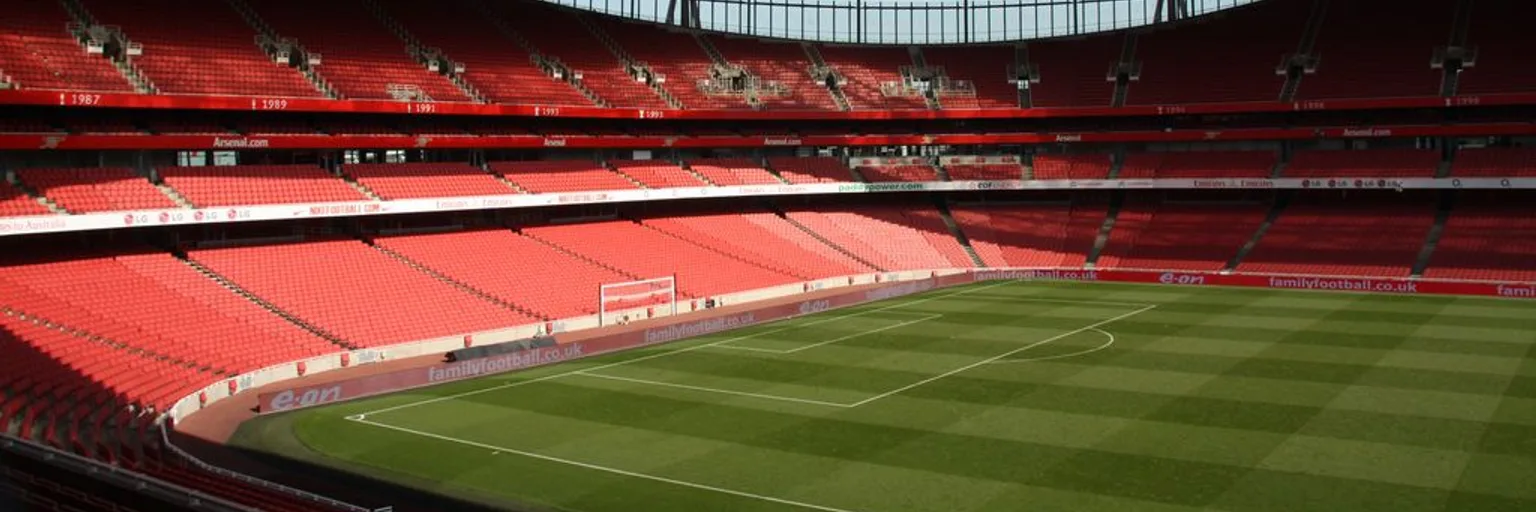
AI-generated image
A second straight Copa Sudamericana final is not just a line for Atlético-MG’s history book. It is a warning to the rest of South America: Brazilian clubs may be learning how to turn resources, rotation and competitive depth into continental consistency even outside the Libertadores.
That argument still needs a harder test. Atlético-MG reached the final on October 21 after losing 2-0 to Montevideo City Torque in Uruguay, but carried through on a 3-2 aggregate score after winning the first leg 3-0 in Belo Horizonte. The reward is a November 21 final against Boca Juniors at Estadio Metropolitano Roberto Meléndez in Barranquilla, Colombia, as CONMEBOL’s tournament coverage confirms.
The immediate story is survival. The more interesting one is whether Atlético has found a repeatable model—or simply benefited from a competition in which the semifinal field did not contain the same weekly pressure associated with the Libertadores.
Two finals in a row turn a run into a pattern
One final can be momentum. Two consecutive finals demand an explanation.
Atlético-MG is now the third Brazilian club to reach two Sudamericana finals, joining São Paulo and Athletico-PR, according to CNN Brasil. That matters because consistency is harder to fake than a single knockout run. A club must navigate different opponents, travel, injuries and tactical problems across separate campaigns, then remain good enough to win the decisive ties.
The qualification against Torque also exposes both sides of Atlético’s case. The 3-0 home victory created the margin; the 2-0 away defeat nearly erased it. That is not a performance to romanticize. It is, however, evidence of a team capable of building enough advantage in one leg to absorb a crisis in the next.
Our view is that this is exactly where squad depth becomes meaningful. Depth is not merely having more recognizable names. It is having enough quality to win the first leg decisively, manage the consequences of a bad away night and still reach the final. Atlético did that, even if the route was unconvincing.
Brazilian strength is showing up in the tournament below the Libertadores
The Sudamericana is often treated as the continent’s secondary stage, and that perception creates a useful analytical trap. If Brazilian clubs repeatedly arrive with stronger resources, deeper squads and greater tolerance for a long season, the tournament becomes a laboratory for their advantages.
The 2026 semifinal field included two Brazilian teams—Atlético-MG and Vasco da Gama—alongside Boca Juniors and Montevideo City Torque, according to beIN SPORTS. That is not proof that Brazil has solved continental competition. It is proof that Brazilian representation is substantial enough to shape the tournament’s late stages.
The distinction matters. Financial power alone does not win knockout ties; otherwise every favorite would advance cleanly. Atlético’s second leg in Montevideo showed the opposite. But resources can create margin over a two-leg series, and margin is the currency of continental football. A club that can impose itself at home has more room to survive an away collapse.
That is why the repeated final should concern rivals more than the defeat does. A fragile team is defined by its worst night. A deep team is defined by whether its best night gives it enough protection.
Boca is the argument Atlético still has to win
Boca Juniors changes the meaning of the final. CONMEBOL’s preview identified Boca as the only one of the four semifinalists with a previous Sudamericana title, and the Argentine club is seeking a third championship after winning in 2004 and 2005. Atlético therefore will not be facing merely another opponent from the bracket; it will face the competition’s clearest historical specialist.
That is the right opponent for this thesis. If Atlético defeats Boca, the back-to-back finals will look less like an artifact of a favorable field and more like evidence of a durable continental level. If Boca wins, Atlético’s achievement remains significant, but the larger claim becomes less certain: perhaps the club has mastered the route to the final without yet proving it can dominate the final itself.
The psychological balance may be just as important as the tactical one. Atlético enters after a scare, while Boca enters with the chance to pursue a third title. Neither fact decides a final, but both shape the burden of expectation. Atlético must show that its depth is not only useful over a campaign; it must be decisive in one match.
The warning is real, but the verdict belongs in Barranquilla
It would be lazy to dismiss Atlético-MG’s achievement because the Sudamericana is not the Libertadores. Continental consistency is still consistency, and consecutive finals are a stronger signal than a single surprise appearance. It would be equally lazy to declare a new Brazilian dynasty before the club beats Boca.
The evidence supports a measured conclusion: Atlético-MG has demonstrated a repeatable ability to reach the Sudamericana’s final stage, and that strengthens the case that Brazilian clubs can convert structural advantages into continental reliability. The evidence does not yet prove that those advantages guarantee titles or travel cleanly against elite opposition.
So the recommendation is simple: watch the final as a test of the model, not merely as a trophy match. Atlético-MG has already shown that Brazilian depth can carry a club to consecutive decisions. Against Boca on November 21, it must show that depth can also finish the argument.
No topics yet: start the first one.
More stories
Osimhen’s Galatasaray Move Is a Transfer Weapon, Not a Detour
Victor Osimhen’s return to Lille showed how Champions League moments can raise a striker’s leverage—but Galatasaray must turn his spotlight into lasting European credibility.

Cesc Fàbregas is Manchester United’s latest fantasy—and a warning
Fàbregas has built something credible at Como, but Manchester United must stop mistaking an attractive coaching story for the structural fix it needs.

Bayern’s Arsenal test is about control, not Kimmich’s replacement
Joshua Kimmich’s absence makes Bayern’s Champions League meeting with Arsenal a sharper examination of Vincent Kompany’s structure, authority and tactical flexibility.
PSG’s Maza Interest Tests Whether Leverkusen Can Keep Its Future
Ibrahim Maza’s reported PSG appeal exposes the uncomfortable limit of Bayer Leverkusen’s model: developing stars is only sustainable if they stay long enough to lead it.