Sportsfera Newsroom
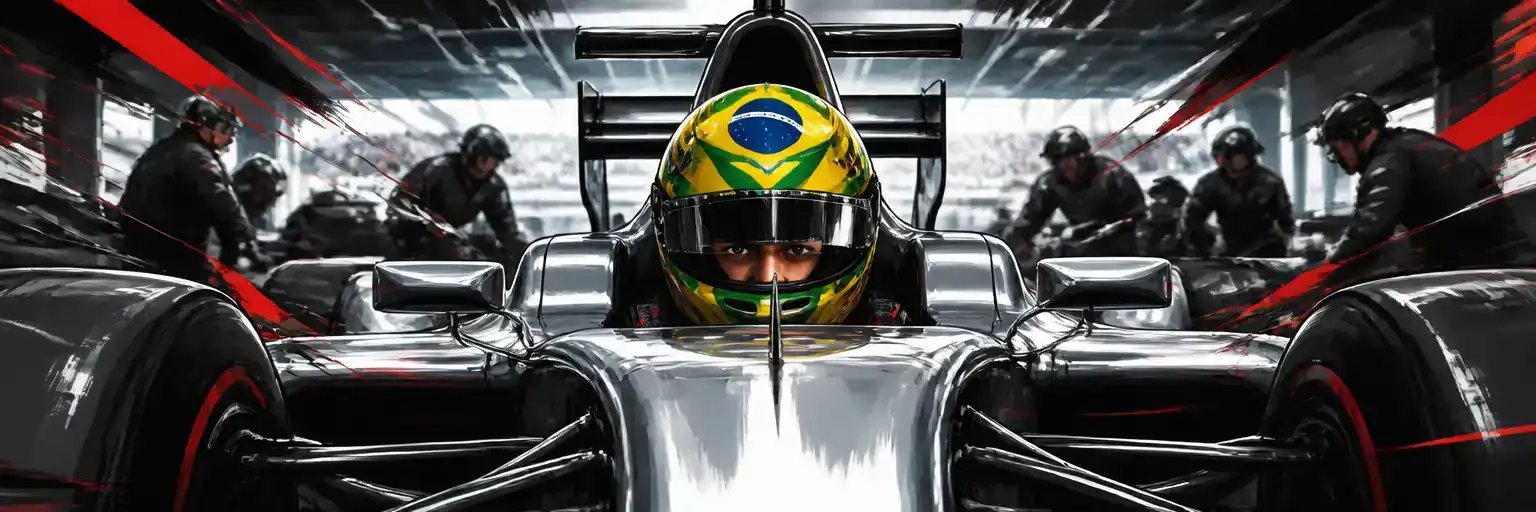
Bortoleto is no Schumacher yet—and Audi should welcome that
Mattia Binotto’s Schumacher comparison raises the stakes around Gabriel Bortoleto, but Audi’s real challenge is building a car worthy of Brazil’s next great hope.
Mattia Binotto’s Schumacher comparison raises the stakes around Gabriel Bortoleto, but Audi’s real challenge is building a car worthy of Brazil’s next great hope.
Cadillac's ambitious entry into Formula 1, bolstered by innovative technical choices and American talent like Colton Herta, unfolds as Red Bull grapples with the fallout of a public power struggle between its former leaders.
McLaren's innovative strategy to blend Leonardo Fornaroli's F1 reserve duties with a WEC Hypercar drive sparks debate: is this the future of driver development or merely a sophisticated holding pattern?
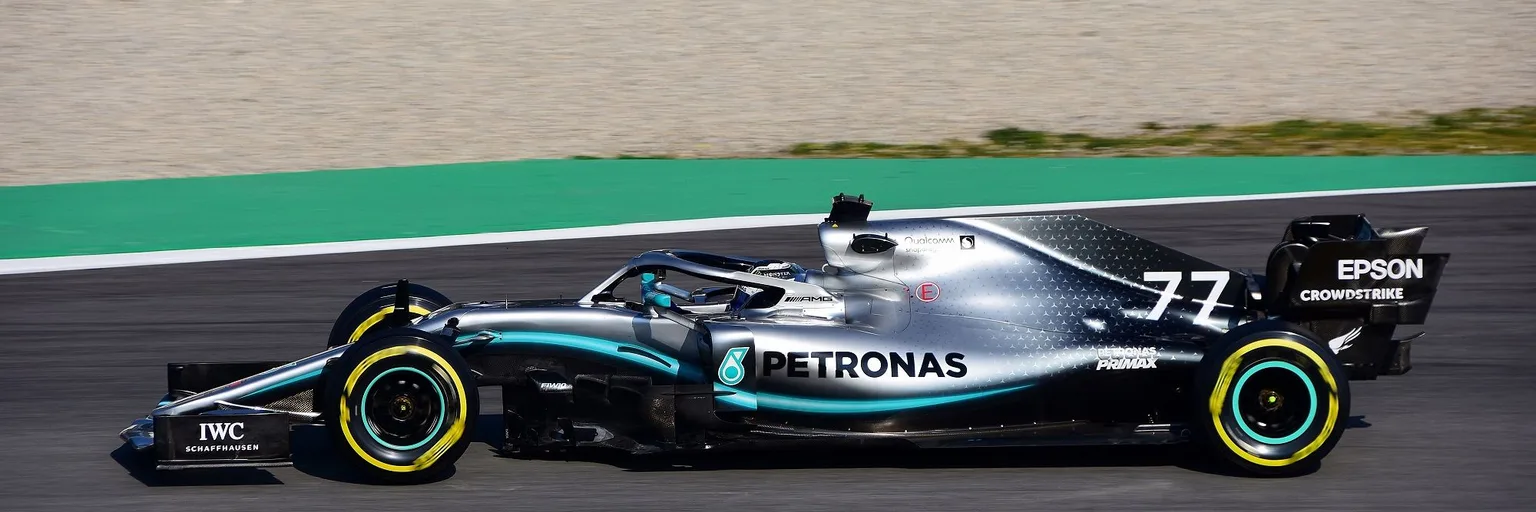
Mercedes-AMG Petronas F1 Team's immense 2025 revenue, exceeding £633 million, and its projected billion-dollar future underscore a financial supremacy challenging competitive equity in Formula 1.
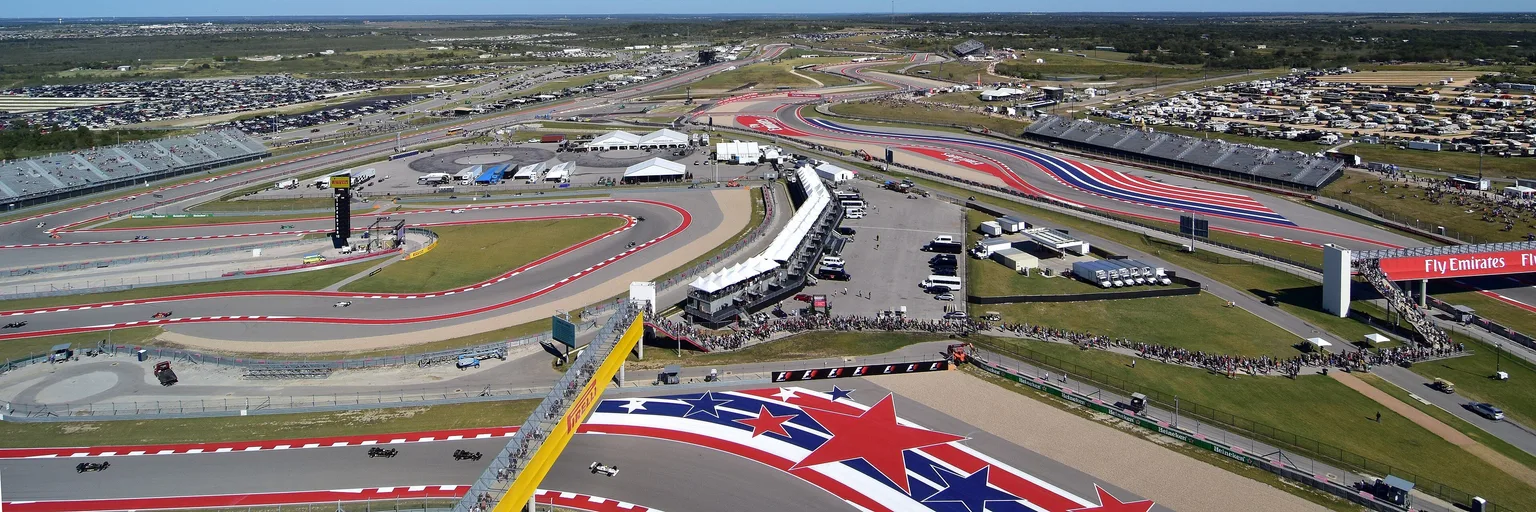
The United States Grand Prix in Austin is poised to be a pivotal event, showcasing Ferrari's last major 2026 upgrade push while McLaren leverages late-season developments to test concepts for its 2027 challenger.
As Kimi Antonelli stands on the brink of F1 history in Austin, the underlying tension at Ferrari surrounding Lewis Hamilton's strategy signals a deeper shift in the sport's established order.
The escalating calls for a unified riders' association in MotoGP, championed by figures like Aleix Espargaró, signal a critical juncture where athletes demand a stronger voice against organizers and teams, fundamentally challenging the sport's power dynamics amid sweeping rule changes.
From iconic race winners to record-breaking road cars, the soaring value of historic McLarens at auction reveals a powerful commercial trend reshaping how Formula 1's rich heritage is monetized.
The radical shift in F1's 2026 technical rules, prioritizing electric power and 'yo-yo' racing, is drawing heavy fire from star drivers like Verstappen and Alonso, forcing a reevaluation of the sport's core appeal.
Genesis Magma Racing's stunning pole position at the 6 Hours of Barcelona signals a pivotal shift in the WEC Hypercar class, challenging established titans and promising a thrilling, diverse fight for the championship.
Dino Beganovic's promotion to an F1 reserve role for Ferrari signals a mature recognition of distinct talent pathways, moving beyond the all-or-nothing pursuit of a primary race seat.
Ferrari is making bold moves for 2026, combining revolutionary aerodynamic designs with a robust investment in its driver academy, as the Scuderia races to end its long championship drought since Kimi Räikkönen's 2007 triumph.
The confirmed return of V8 engines and lighter cars in Formula 1 aims to recapture traditional racing allure, but risks a costly misstep if it fails to engage star drivers like Max Verstappen, who has been vocal about his frustrations with recent changes.
Max Verstappen's recent penalty in the GT World Challenge at Portimao sparks debate: are these racing forays a valuable expansion of his skill set or an unnecessary risk for an F1 champion?
Fernando Alonso's anticipated Dakar 2027 tests highlight a unique approach to driver longevity, but also underscore F1's deep-seated challenges with its sprint race format and the 'excessive power' wielded by its top teams.
The Formula 1 season finale faces uncertainty due to Middle East tensions, exposing the sport's delicate balancing act between its global expansion strategy and the inherent operational challenges of a volatile world.
While Madrid's inaugural Formula 1 Grand Prix delivers a massive economic boost, the persistent engine friction between Fernando Alonso and Honda exposes crucial performance challenges beneath the sport's glamorous exterior.
Franco Colapinto's powerful call to his fans to end online attacks on rivals is a stark reminder that F1's digital success has birthed a toxic undercurrent demanding urgent reevaluation of fan behavior.
The alarming events at the Qatar Grand Prix expose Formula 1's critical vulnerability to extreme weather, raising serious questions about the sport's calendar planning and commitment to driver well-being.
Christian Horner's autobiography reveals that Fernando Alonso was keen to join Max Verstappen at Red Bull, but an internal veto, seemingly from Verstappen's camp, blocked the move, underscoring F1's complex power dynamics.