F1's American Dream: Cadillac's Strategy Amidst Red Bull's Lingering Feud
Cadillac's ambitious entry into Formula 1, bolstered by innovative technical choices and American talent like Colton Herta, unfolds as Red Bull grapples with the fallout of a public power struggle between its former leaders.
Photo: TedNauru / Wikimedia Commons (CC0)
The roar of Formula 1 cars descending upon Austin, Texas, signals far more than just another Grand Prix. This race, marking the start of an Americas triple-header, is a fascinating microcosm of the sport's evolving landscape. On one side, we witness the promising — yet currently challenging — American dream of Cadillac's F1 entry; on the other, the stark reality of Red Bull's fractured past, with its former leaders airing grievances that underscore the human drama behind the high-octane spectacle.
The Circuit of the Americas is set to host the US Grand Prix amidst palpable anticipation. While Cadillac's F1 entry continues to garner attention, particularly with American driver Colton Herta having participated in rookie free practice sessions earlier this year, the spotlight also falls on the continuing saga of Red Bull's internal strife. Off-track, the aftershocks of a profound power struggle continue to reverberate through the paddock, as former Red Bull stalwarts Christian Horner and Helmut Marko engage in a bitter public dispute, laying bare the tensions that have simmered within one of F1’s most dominant teams.
Cadillac's Calculated All-American Gambit
Cadillac's presence in Formula 1 is a bold statement of intent. Their F1 team travels to Austin as part of an ambitious push into the sport, underlined by Colton Herta being named a test driver in September 2025 and participating in his first official practice session at the Spanish Grand Prix earlier this year as reported by Yahoo Sports. The commitment to nurturing American talent, exemplified by Herta's participation in multiple FP1 sessions, is a smart move for fan engagement and long-term strategy.
However, ambition alone doesn't guarantee immediate success. As the 2026 season draws to a close, it has been a tough start for any new entrant. Yet, we believe their long-term strategy extends beyond initial results. Cadillac's partnership leverages the Ferrari gearbox, which in theory could provide an avenue to explore innovative aerodynamic solutions, much like the Ferrari diffuser-extending bodywork that has proven so difficult for rivals to copy as detailed by Formula1.com. While Cadillac may be finding its footing, this strategic choice could eventually unlock unique performance advantages as they adapt to F1's exacting demands and new regulations.
The Lingering Spectre of Red Bull's Internal Strife
While new blood like Cadillac enters the fray, the established order still grapples with its own demons. The public feud between former Red Bull figures Christian Horner and Helmut Marko casts a long shadow over the team's otherwise formidable reputation. Their relationship, described as strained even before Marko's departure from Red Bull, erupted into a full-blown public dispute in December 2025 as reported by Sky Sports. Marko accused Horner of lying about various matters, including rumors from 2024 suggesting Red Bull was behind in its 2026 engine development, while Horner, in turn, has accused Marko of spreading misinformation and contributing to internal rifts Bild. This very public spectacle highlights the intense power dynamics and rivalries that often simmer beneath the surface of top-tier F1 teams, capable of distracting even the most focused operations. We think the ongoing public airing of grievances, especially from two pivotal figures, risks undermining the team's carefully crafted image of unity and dominance, even if the team itself continues to perform.
The 2026 Regulations: A Catalyst for Innovation and Disruption
This F1 season is shaped by significant rule changes, particularly the new-for-2026 regulations that feature full-time active aerodynamics as explained by Formula1.com. This shift mandates cars to dynamically adjust their front and rear wing angles, moving to an 'open' low-drag mode on straights and a 'closed' high-downforce position in corners. Ferrari, with its radical rotating rear wing that flips entirely upside down to create a larger slot gap for reduced drag, showcased an early, aggressive interpretation of these new rules during pre-season testing in Bahrain Formula1.com. Red Bull has since joined them, introducing its own version with what appears to produce an even bigger slot gap, raising questions about design originality, though Red Bull insists its concept was developed independently. These bold innovations demonstrate how new regulations can spark a flurry of creative engineering, potentially shaking up the competitive order and demanding rapid adaptation from all teams.
The unfolding drama at Red Bull and the strategic groundwork laid by Cadillac both illustrate the high stakes of Formula 1. While one team battles internal fractures, another is diligently building its foundation for future success, adapting to a new era of aerodynamic and power unit regulations. The path to the top is rarely smooth, but for both entities, the choices made now will undoubtedly shape their destiny in the coming seasons.
No topics yet: start the first one.
More stories
Fornaroli's Dual Challenge: A Blueprint or a Bridge to Nowhere?
McLaren's innovative strategy to blend Leonardo Fornaroli's F1 reserve duties with a WEC Hypercar drive sparks debate: is this the future of driver development or merely a sophisticated holding pattern?
Mercedes' Unmatched Profitability: A Threat to F1's Competitive Soul?
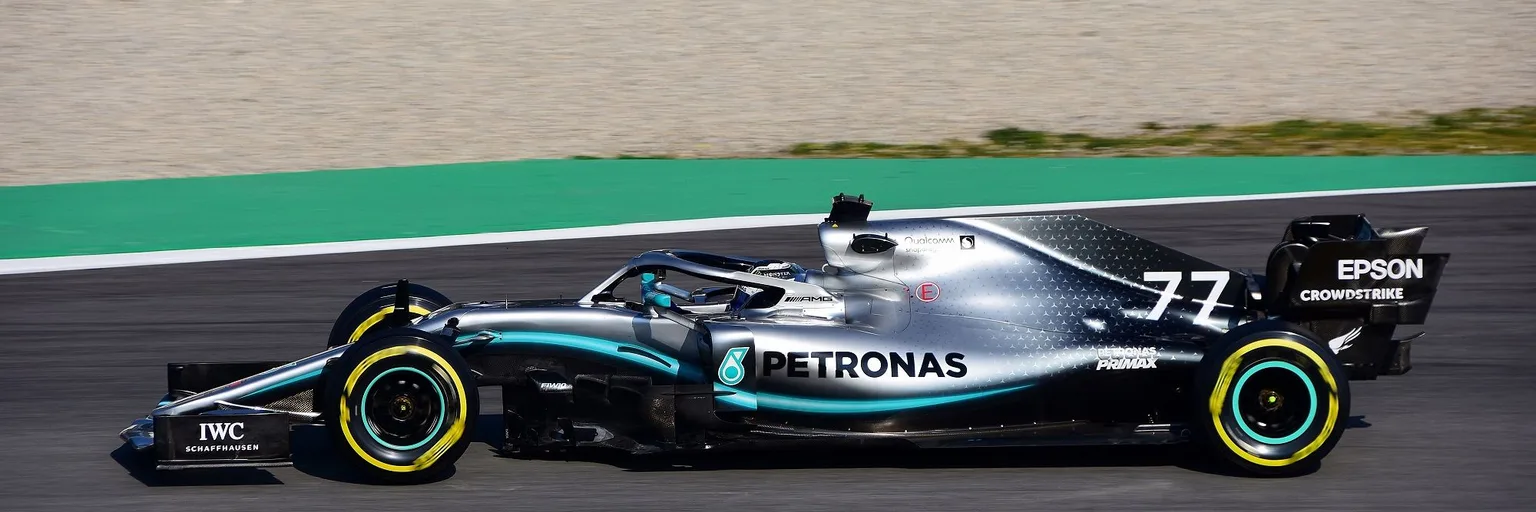
Mercedes-AMG Petronas F1 Team's immense 2025 revenue, exceeding £633 million, and its projected billion-dollar future underscore a financial supremacy challenging competitive equity in Formula 1.
F1 Austin: Ferrari's Final Play, McLaren's 2027 Foresight
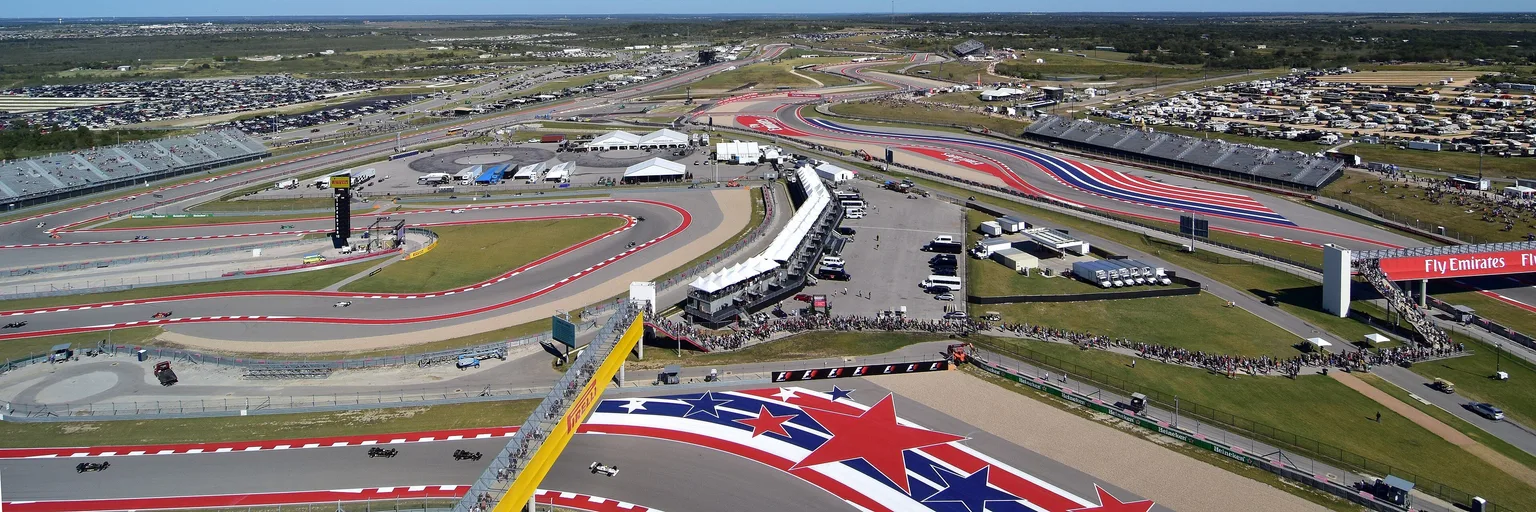
The United States Grand Prix in Austin is poised to be a pivotal event, showcasing Ferrari's last major 2026 upgrade push while McLaren leverages late-season developments to test concepts for its 2027 challenger.
F1's Shifting Power Dynamics: Antonelli's Rise vs. Ferrari's Fraying Trust
As Kimi Antonelli stands on the brink of F1 history in Austin, the underlying tension at Ferrari surrounding Lewis Hamilton's strategy signals a deeper shift in the sport's established order.