Bortoleto is no Schumacher yet—and Audi should welcome that
Mattia Binotto’s Schumacher comparison raises the stakes around Gabriel Bortoleto, but Audi’s real challenge is building a car worthy of Brazil’s next great hope.
AI-generated image
A Schumacher comparison can be praise, pressure, or a little of both. For Gabriel Bortoleto, it is all three. Mattia Binotto, Audi’s F1 chief, has said the Brazilian possesses traits that remind him of Michael Schumacher, a compliment that instantly turns an emerging driver into a symbol of a team’s ambition. The danger is not that the comparison is too generous. The danger is that people start treating it as a forecast.
Bortoleto is entering his second Formula One season with Audi in 2026, according to Audi’s driver profile. He is not part of Mercedes’ championship campaign, and the current evidence does not support presenting him as a hidden pillar of Mercedes’ potential constructors’ title. Mercedes is leading that fight, while Bortoleto is trying to establish himself inside a new Audi project. Those are different stories—and keeping them separate makes the Brazilian’s progress more impressive, not less.
The Schumacher comparison is about attitude, not destiny
The most useful interpretation of Binotto’s praise is that he recognizes a competitive mentality. The comparison, as reported by Motorsportweek, concerns traits that remind him of Schumacher. That is a statement about behavior and approach, not a claim that Bortoleto will reproduce Schumacher’s career.
That distinction matters because Schumacher is one of the most loaded reference points in Formula 1. His name evokes relentless preparation, technical involvement, authority within a team, and a capacity to make an entire organization believe it could win. To attach those qualities to a young driver is to suggest that Bortoleto could become more than a fast occupant of an Audi seat. It suggests a possible center of gravity for the project.
But a driver cannot manufacture a championship structure alone. The car, engine, reliability, strategy, and development direction all shape what talent can actually express. The comparison is therefore best treated as a challenge issued to Audi: if Bortoleto has the mentality Binotto sees, the team must create an environment in which that mentality can produce results.
Bortoleto’s real evidence is close, competitive, and unfinished
The 2026 numbers do not describe a Schumacher-like domination. They describe a promising driver in a close fight with Nico Hulkenberg. Formula 1’s latest teammate comparison has Bortoleto ahead in qualifying, 9-8, while Hulkenberg leads the race head-to-head, 9-8. Bortoleto’s best starting position has been eighth at the Belgian Grand Prix, and he has finished every race except China and Singapore, according to F1.com’s season review.
Those figures are not a rebuke. They are exactly the kind of evidence that should make the conversation more grounded. Bortoleto is not being carried by a comfortable advantage over his teammate, nor is he being exposed by one. He is operating in a contest that remains almost level, with small margins and reliability shaping the picture.
Our view is that this is a stronger foundation than an early landslide would have been. A young driver who is already competitive but still has clear room to improve gives Audi something valuable: an identifiable development project. The next step is not proving that Bortoleto is Schumacher. It is turning qualifying parity and race-day potential into a consistent pattern.
Audi needs Bortoleto—but cannot ask him to rescue Audi
Audi’s arrival as a factory F1 team gives Bortoleto a more consequential platform than a routine midcareer move. The team is officially taking over the Sauber operation in 2026, while retaining Bortoleto and Hulkenberg, according to Sports Betting Dime’s season overview. That makes the Brazilian part of the project’s identity from the beginning.
This is where the Schumacher analogy can become strategically useful. Great teams often need a driver who can connect performance, development, and belief. Bortoleto’s youth and Brazilian profile can help Audi build an emotional story around the project, but emotion cannot replace engineering progress. If Audi turns every difficult weekend into a referendum on Bortoleto, it will be using its most valuable asset as a shield for its own unfinished work.
The better model is to let the driver grow while the organization learns. Bortoleto should be judged against his teammate, his qualifying trajectory, his race execution, and his ability to help Audi understand the car. Those are demanding standards. They are also fairer than asking him to carry the historical weight of Schumacher’s name.
Mercedes’ title fight makes the contrast sharper
Mercedes is the immediate competitive reference in this 2026 conversation, but not because Bortoleto is contributing to its championship bid. Kimi Antonelli leads George Russell by 102 points and has beaten him 10-7 in qualifying and 12-5 in races, with eight victories to Russell’s three, according to Sky Sports. That is the profile of a team with a title-ready driver pairing and a car capable of dominating much of the season.
Audi is at a different stage. Mercedes is converting its advantage into trophies; Audi is trying to establish the people and processes that might create such an advantage later. Bortoleto’s importance is therefore long-term, even if the Schumacher comparison makes the story sound immediate.
The verdict is simple: enjoy the comparison, reject the prophecy. Bortoleto has shown enough to deserve serious attention, and Audi has good reason to regard him as a foundational talent. But the smartest expectation is not that he becomes Schumacher overnight. It is that Audi builds patiently enough for Bortoleto to become unmistakably himself—and lets the results decide how large his legacy can be.
No topics yet: start the first one.
More stories
F1's American Dream: Cadillac's Strategy Amidst Red Bull's Lingering Feud
Cadillac's ambitious entry into Formula 1, bolstered by innovative technical choices and American talent like Colton Herta, unfolds as Red Bull grapples with the fallout of a public power struggle between its former leaders.

Fornaroli's Dual Challenge: A Blueprint or a Bridge to Nowhere?
McLaren's innovative strategy to blend Leonardo Fornaroli's F1 reserve duties with a WEC Hypercar drive sparks debate: is this the future of driver development or merely a sophisticated holding pattern?
Mercedes' Unmatched Profitability: A Threat to F1's Competitive Soul?
Mercedes-AMG Petronas F1 Team's immense 2025 revenue, exceeding £633 million, and its projected billion-dollar future underscore a financial supremacy challenging competitive equity in Formula 1.
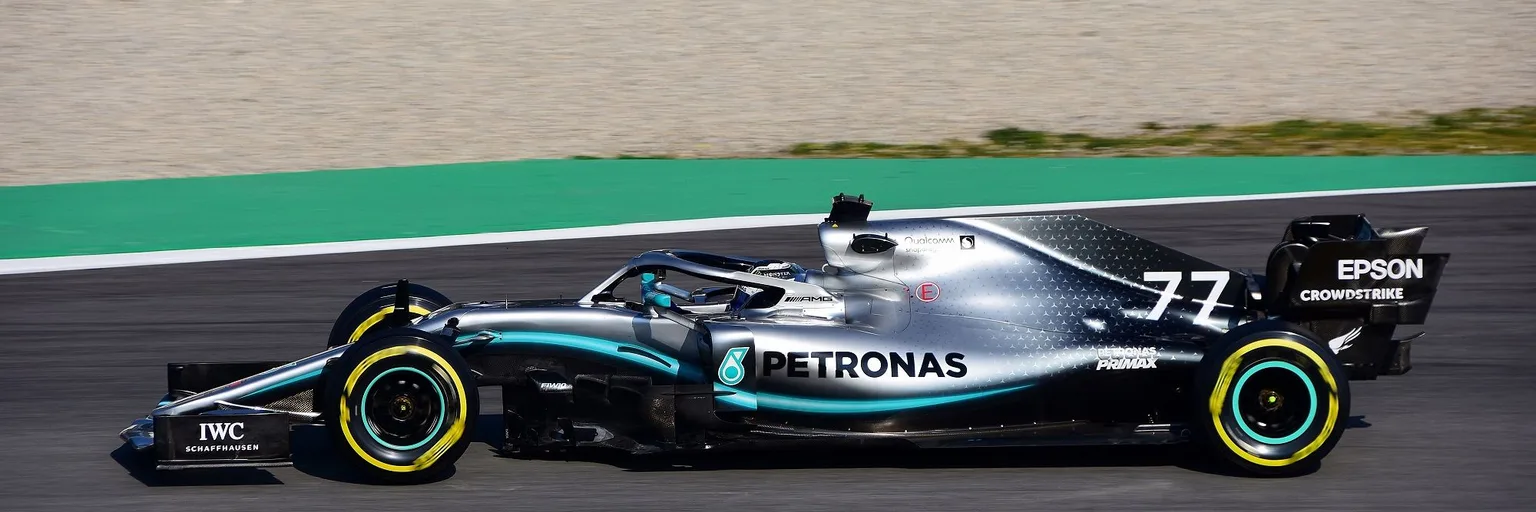
F1 Austin: Ferrari's Final Play, McLaren's 2027 Foresight
The United States Grand Prix in Austin is poised to be a pivotal event, showcasing Ferrari's last major 2026 upgrade push while McLaren leverages late-season developments to test concepts for its 2027 challenger.