Rettig is right about Man City in principle, but wrong about the practice
The DFB chief wants Man City stripped of its license and every title. The instinct is sound, but a maximal punishment is unlikely and could undermine the rules it aims to protect.
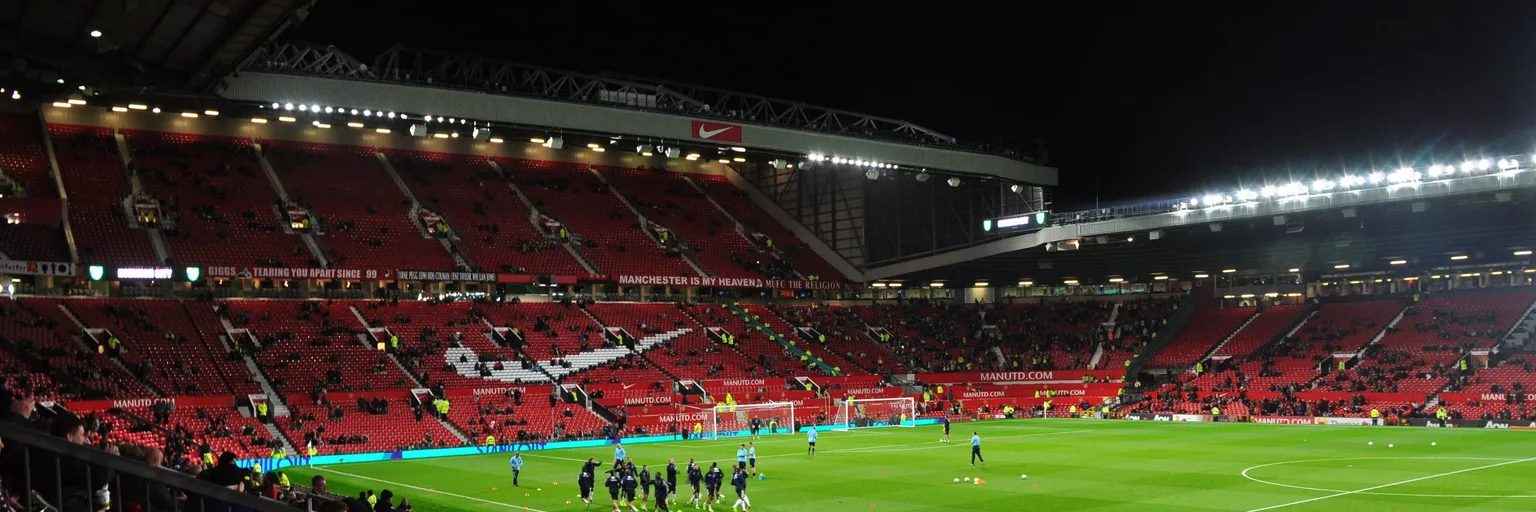
Photo: Chris Morgan / Wikimedia Commons (CC BY-SA 2.0)
When a senior German football official reaches for the phrase "Super-GAB," the biggest conceivable fraud case, it says something about how little faith he has in an ordinary outcome. We read that frustration, more than the rhetoric, as the real story.
Here is what happened. According to Reuters, City were found guilty on all but one of the 115 charges, with an appeal expected. The charges cover 2009 to 2018, and Spiegel reports that the club allegedly gave false information about its finances and inflated sponsorship income. Now DFB managing director Andreas Rettig, who leaves his post at year's end, has told Kicker he wants UEFA to "extend its claws" and apply the maximum penalty: "license withdrawal and stripping of all titles."
The anger is justified, because rules without teeth are just suggestions
Rettig's core argument is hard to dismiss. He says City trampled the principle of spending only what attributable revenue generates. That principle is the entire point of financial regulation. If a club can be found guilty on 114 counts and the consequences amount to a fine and a shrug, every other club learns the same lesson: compliance is optional, and litigation is a budget line.
We also think the timing matters. The verdict came in late September, and ran's ticker notes that a final ruling could still take months. Nobody in Germany has to be a rival to find that open-ended wait uncomfortable. Trust in a process erodes with every month it drags on without consequences.
But erasing everything is the punishment least likely to survive contact with reality
Here is where we part ways with Rettig. Stripping all titles and pulling a license sounds clean on a podium, but we think it would be a legal and logistical minefield. An appeal is already expected. A penalty that wipes out a decade of results would probably invite the most aggressive challenge possible, and any procedural weakness becomes the club's escape hatch. The harshest punishment is likely to be the easiest to overturn.
It is also worth noting that Rettig is calling on UEFA, while the guilty verdict came from the Premier League's own process. We suspect that gap is deliberate, but that is our reading, not something he says. Spiegel's reporting says a heavy points deduction that would mean relegation to the Championship is currently the expected penalty. That is a forecast, not a ruling, and we would treat it with caution. But if even that range is on the table, a credible sanction does not require the nuclear option.
There is also a fairness problem. Rettig describes City as only the "most visible tip of the iceberg." If that is true, then a symbolic execution of one club is a scapegoat, not reform. Punishing City hard while leaving the system that made this possible untouched would feel like justice and change nothing.
The 50+1 sermon is the least convincing part
Rettig used the moment to promote Germany's 50+1 rule and to attack RB Leipzig, calling its origins a "clear circumvention." Fine, that is his job and his view. But as an argument about City it is a stretch. Ownership structure did not write the alleged sponsorship deals; people breaking the rules did. German clubs have corporate backing too, and Rettig himself names Leverkusen and Wolfsburg in the same breath. Using a financial-fraud case to settle a domestic governance fight dilutes his strongest point.
Our verdict
Rettig is right that the sanction has to hurt, and right that credibility is at stake. He is probably wrong that the all-titles, no-license route is either achievable or wise. The better outcome is a severe, defensible penalty that actually survives appeal, such as a major points deduction paired with a clear message that repeat offenders face more. A punishment that is enforced beats a perfect one that gets overturned. For everyone watching from outside England, the test is simple: if the final sanction is lighter than the findings, expect more voices like Rettig's, and expect them to have a point.
No topics yet: start the first one.
More stories
United's real problem isn't Como: it's a dressing room that argues in public
Fernandes blames the staff, Rooney blasts the players, Carrick says nothing is divided. The 4-1 loss in Como exposed a leadership vacuum no tactical tweak will fill.

City's perfect start is real, but Villa Park is the first honest exam
Seven wins from seven look like dominance, but Villa under Emery is the first match that can tell us whether Maresca's City is a juggernaut or just well scheduled.

United's board hasn't decided if Carrick is the plan or a stopgap
Carrick's words can't restore authority the board keeps withholding. United's real problem is a hierarchy that hasn't decided whether he is the plan or a placeholder.
Kompany's health scare exposes how much Bayern hangs on one man
A viral infection, a hip problem and a stand-in at the press conference: Bayern showed how thin the line is between a system and a single coach's presence.