The Colts should sell Jonathan Taylor only if someone pays a first
Indianapolis has already moved Buckner and Nelson, but trading Jonathan Taylor too only makes sense if a team pays a premium for a position the market discounts.
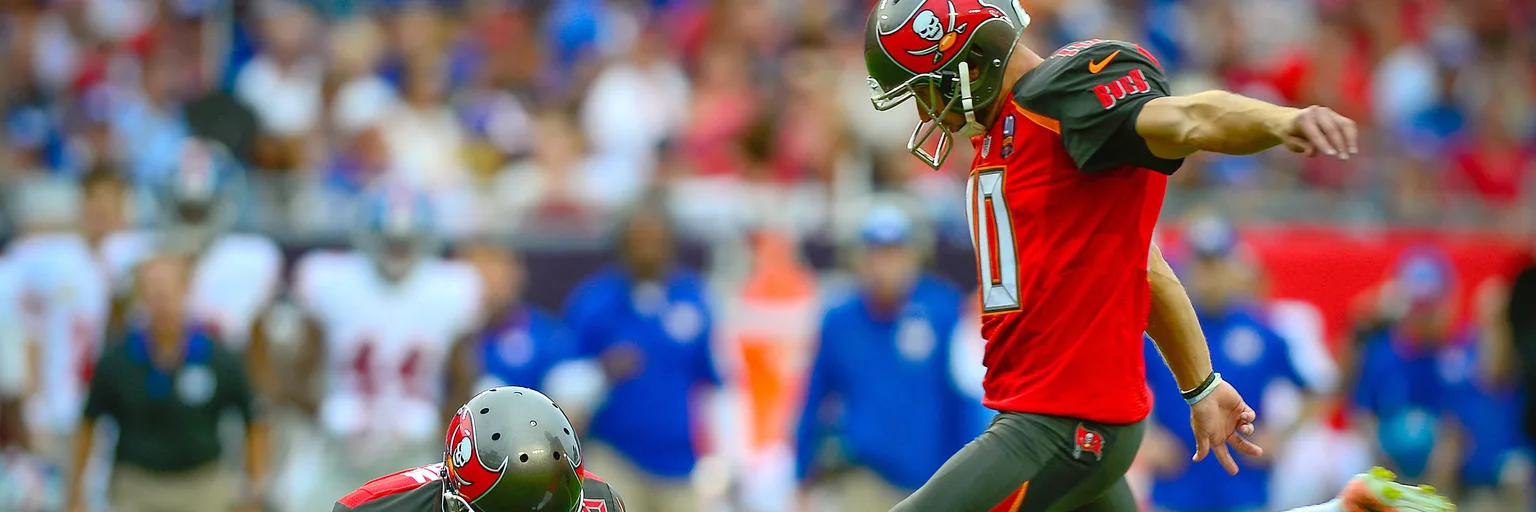
Photo: Tennessee Titans / Wikimedia Commons (CC BY 3.0)
Is a team that just shipped out Quenton Nelson and DeForest Buckner really still deciding whether it's rebuilding? That's the awkward question hanging over Indianapolis, and Jonathan Taylor is the answer everyone is waiting on. Our view: the Colts shouldn't sell him, unless someone is willing to pay a first-round price.
The Colts have sold twice, and Taylor is the obvious third
The facts are simple. As VAVEL reports, Indianapolis moved Buckner to San Francisco and Nelson to Seattle in the same week, leaving Taylor as the obvious next name. He signed a two-year, $44 million extension in August. The reported asking price is at least a second-round pick, and Ian Rapoport has named Green Bay, Minnesota, Seattle and Denver among the interested teams. The deadline is Tuesday, November 10, at 4 p.m. Eastern.
The temperature check is mixed. Adam Schefter said on The Pat McAfee Show that his guess was the Colts keep Taylor because ownership sees him as a difference-maker, and Shane Steichen has said Taylor hasn't asked for a trade. Reports on the price don't agree either: Sports Illustrated's Vikings site says he is likely to command a first-round pick, and that this might be too steep for Minnesota.
The market is telling you what running backs are worth
Here is the uncomfortable part for anyone who wants to cash in. The best evidence of how the league values the position isn't Taylor's price. It's Tony Pollard's. He is 29, on an expiring deal, and ranks 10th in the league with 478 rushing yards. Yet Easton Freeze of A to Z Sports wrote that "a fifth- or sixth-round pick feels like the absolute most a team would offer."
Taylor is a different class of player, and he's 27. But the same logic lives underneath both names. Teams talk about running backs as useful, replaceable parts, and they pay accordingly. In our opinion, that is the real argument for selling: if the position keeps depreciating, the value you get today may only shrink.
It is also the argument against. When the market discounts the entire position, a second-round pick for your best offensive player isn't a windfall. It's a modest return for something you can't easily replace.
Taylor's contract is the real clock, and it isn't ticking yet
The most interesting number isn't a stat line. VAVEL reports that his $16 million salary for 2027 doesn't become fully guaranteed until February 19, and that moving him would leave only $10 million in dead money next year. That cuts both ways. The Colts aren't trapped, so they don't have to sell. They also have time. Nothing forces a decision on November 10 that couldn't be made in the offseason, when the Colts would know much more about what this roster is.
On the field, the numbers read like a player doing his job on a bad offense. VAVEL cites Pro-Football-Reference for a modest 4.2 yards per carry but a 55% rushing success rate, with 587 yards and 8 touchdowns, inside an offense it describes as having fallen apart around him. Those aren't the numbers of a back in decline. They're the numbers of a good back with little help.
That matters for the sale. The buyer gets a proven producer. The seller gets a pick that may turn into a rotational player. If the Colts are in fact tearing things down, we'd argue Taylor is exactly the kind of veteran who keeps this offense from collapsing. TSN also reports that receiver Josh Downs has requested a trade, and a locker room that loses another recognizable piece for picks starts to look, to us, like a roster with no plan.
Listen to offers, but only a first-round bid should move the Colts
Trading Buckner and Nelson was, in our view, a defensible way to start turning veteran value into draft capital. Trading Taylor is a different statement, because he's the one remaining reason to watch this offense, and Schefter's read is that ownership values him.
If a team like Minnesota, Seattle or Green Bay really does offer a first-round pick, we think the Colts should take it. In a market that treats running backs this cheaply, a first would be a strong return, and the contract flexibility means they lose little by waiting for it. If the best bid is a second-rounder with a conditional attached, keep him, revisit it in February, and let the market come back to you.
The risk of waiting is small. The risk of selling cheap is that you spend a premium asset to confirm, for the whole league, that your best player was worth a Day 2 pick.
No topics yet: start the first one.
More stories
Bears' Simmons trade is a bold bet, but one star won't fix a defense
Chicago paid two first-round picks for an All-Pro tackle. It's the right instinct from a contender, but the secondary and pass rush still decide whether the price was sane.
75% CTE in ex-NFL players makes head trauma an outcome, not a risk
A Boston University-led study estimates 74.5% of NFL players who died from 2008 to 2023 had CTE, and we think talking about safety is no longer enough: the league has to change how football is played.

Barkley had to sell Polymarket, but the NFL is the one behind
Forcing Saquon Barkley to divest was the right call, but a player-only ban while rival leagues sign deals exposes how far the NFL's prediction-market rules lag.

The NFL can't call CTE a "risk" anymore. It's the job's cost
A JAMA Network Open estimate of 75% CTE among deceased players ends the "uncertain science" shrug, and the league now owes structural change, not another round of rule tweaks.