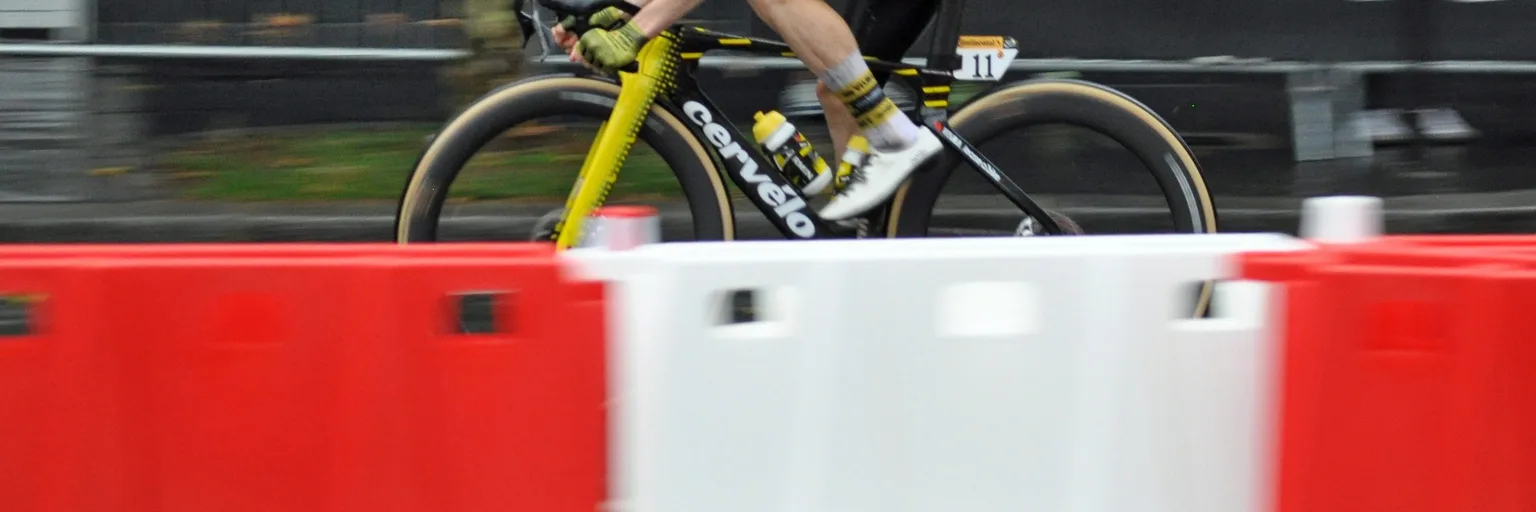
Benjamín Noval’s Ineos deal is a test of Spain’s cycling pipeline
The reported extension through 2031 is more than a teenage headline: it shows Ineos is buying into Spain’s talent future, with development now under pressure to deliver.
AI-generated image
A long contract for a teenager can be read two ways: as protection for a rare talent or as a deadline disguised as security. Benjamín Noval’s reported agreement with Ineos Grenadiers matters because it combines both possibilities. The Asturian rider is not merely being signed for the future; he is becoming a symbol of how aggressively elite cycling teams want to control the next generation before its value becomes obvious to everyone.
Ineos announced in 2025 that Noval would join the team in 2027, after completing his junior program. At the time, the 16-year-old was riding for MMR Cycling Academy and had won the general classification and youth classifications at the Vuelta Ciclista al Besaya and GP F.W.R Baron. Cycling Weekly reported that he had won 14 times that season and was also the Spanish junior cyclocross champion.
Now, reports in Spain say Ineos is preparing or managing an extension that would keep Noval tied to the team through 2031, with an improved salary. The exact terms should be treated carefully: the reporting describes an agreement in progress or a planned renewal rather than publishing a complete contract. But the strategic message is already clear. Ineos does not want to discover what Noval might become from a distance. It wants to build the pathway around him.
The real signing is the development system
The most important part of this story is not the length of the deal. It is the gap between signing a junior and developing a professional.
Ineos says it will work with Noval and his support network before his full-time arrival in 2027. That is the right idea in principle. A rider who is 16 or 17 is not a finished performance product; he is still developing physically, tactically and personally. The team’s own language emphasizes preparation for professional racing as well as growth “as an athlete and individual,” according to its announcement, carried by CyclingNews.
That distinction is crucial. A junior result can identify potential, but it cannot dictate the adult career that follows. Noval’s reported combination of climbing strength, racing instincts and tactical intelligence makes the investment understandable. Yet the best junior does not automatically become the best professional, and a contract cannot manufacture a body’s response to the demands of WorldTour racing.
Our view is that Ineos wins this deal only if it treats the contract as a framework, not a forecast. The team should be buying time, coaching and flexibility—not demanding that a teenager immediately justify a headline-making valuation.
Spain’s talent is becoming an asset to secure early
Noval’s case also points to a broader shift in the market. The race for young riders is no longer simply about recruiting the strongest available prospect when he reaches the professional ranks. Teams increasingly want an early relationship, early influence and early control over the transition.
That is particularly significant for Spanish cycling. Noval is from Asturias, rides out of the MMR Cycling Academy and carries the name of a former professional cyclist. His trajectory gives Ineos a high-profile connection to a country with a deep cycling culture, while the team’s investment can offer a structured bridge from junior racing to the WorldTour.
The timing makes the strategy look more deliberate than opportunistic. Ineos has also signed other young riders and has used a development-team partnership to give prospects racing experience before their return to the WorldTour squad, as Cycling Weekly noted. That is not proof that every prospect will succeed. It is evidence that the team is trying to build a pipeline rather than rely exclusively on expensive finished stars.
This may be the smartest response to Ineos’ recent scrutiny in the transfer market. A team that has struggled to replace a proven Grand Tour leader cannot solve every problem by purchasing another established name. It needs a more sustainable talent process. Noval is therefore both a rider and a test case for whether that process can produce elite performance.
A huge contract can protect a rider—and distort the story
The reported deal has been described as one of the biggest ever for a young rider. That distinction creates immediate attention, but it can also create an unhelpful narrative: every result becomes evidence for or against the contract.
That is dangerous in cycling, where development rarely follows a straight line. A junior champion may need time to adapt to longer races, different responsibilities and the physical demands of the professional calendar. Even a rider with exceptional power numbers, as one recent analysis claimed, still has to learn how to turn that capacity into results against experienced professionals.
A long agreement can reduce uncertainty for Noval. It may allow him to develop without the annual pressure of proving his worth on the transfer market. But security works only when the surrounding expectations are realistic. If the contract is presented as proof that he is already a future superstar, it stops being protection and becomes a burden.
Ineos should therefore measure the deal by process milestones, not premature comparisons. Is Noval healthy? Is he learning to race for a team? Is his progression sustainable? Those questions matter more than whether he wins immediately after joining the professional ranks.
Ineos is betting on patience, whether it admits it or not
The temptation will be to treat Noval’s reported extension through 2031 as a declaration that the next Spanish cycling star has already arrived. That is too simple. The more interesting interpretation is that Ineos is trying to secure the conditions under which a star might emerge.
The bet is sensible, but it is not risk-free. The team has identified a remarkable junior, attached him to a long-term plan and placed its reputation behind his development. Now it must resist the urge to turn that plan into a publicity timetable.
Our verdict: the contract is a good move for Ineos and potentially a valuable shield for Noval, but only if the team protects the rider from the contract’s own mythology. Spain’s next cycling pipeline will not be judged by how early it signs talent. It will be judged by how well it lets that talent mature.
No topics yet: start the first one.
More stories
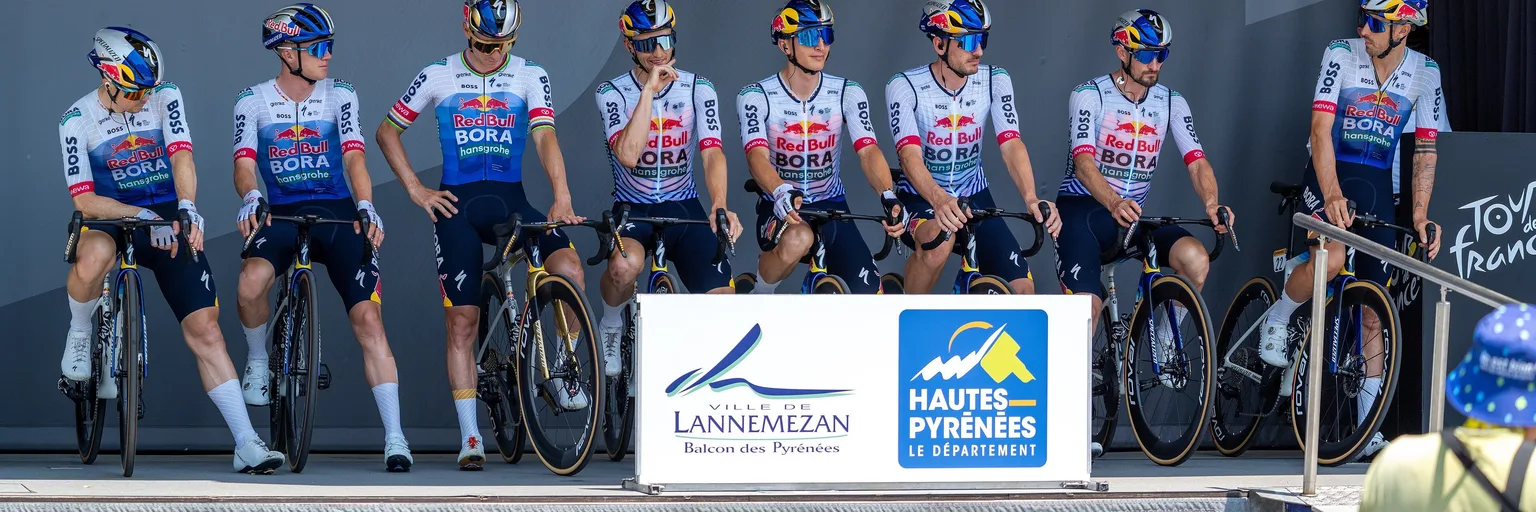
Red Bull-BORA’s Giro dilemma is really a test of team hierarchy
Choosing between Remco Evenepoel and Florian Lipowitz for the 2027 Giro is less about star power than assigning one clear leader to a coherent plan.
Visma’s Vingegaard Silence Is Now Hurting Its Biggest Asset: Trust
Jonas Vingegaard’s 2027 return is clear, but the communication around it is not. Visma’s polished brand cannot leave uncertainty for fans to solve alone.