Beasley's plea talks show the NBA's real problem is player props
Policing athletes after the fact keeps failing. The Malik Beasley case suggests the market itself, not just the player, is the weak link, and props should be limited.
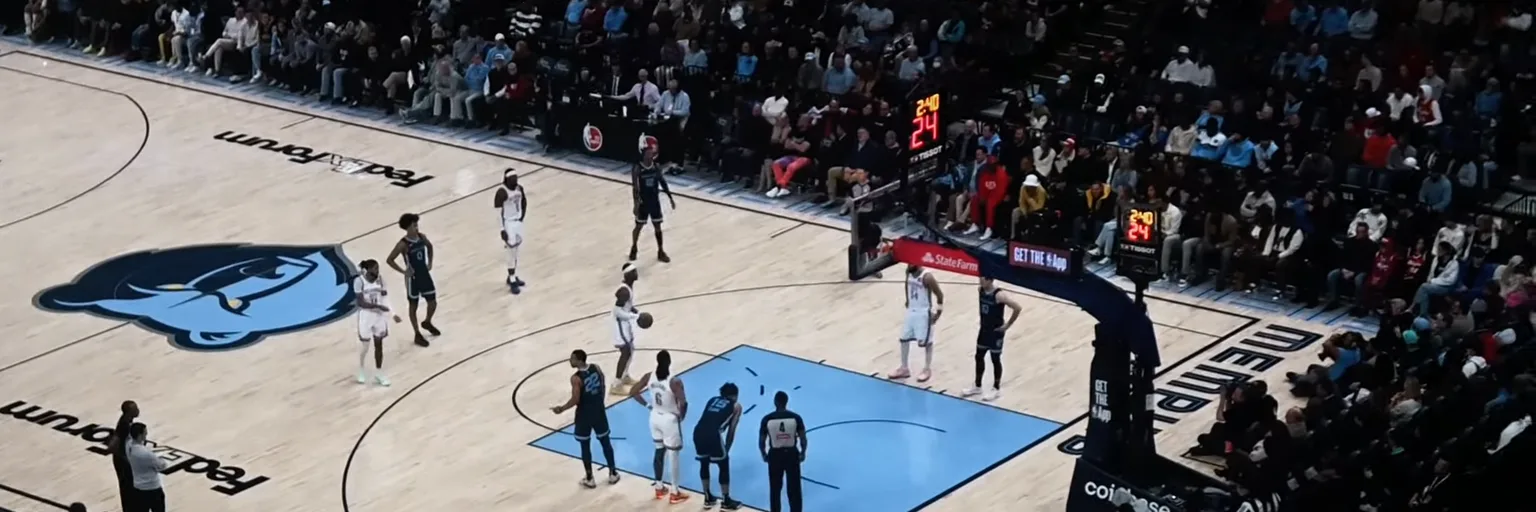
AI-generated image
How many more indictments does it take before we admit that the problem isn't only the players? Malik Beasley, a guy who made nearly $60 million in salaries, is now negotiating a plea deal, and the thing he allegedly manipulated wasn't a final score. It was his own stat line, including his rebounds.
According to CBS Sports, Beasley's lawyer confirmed to ESPN that talks with Department of Justice lawyers are ongoing. No agreement has been signed, and a decision is expected early next week. Beasley was indicted on June 29 for allegedly manipulating his own statistics during the 2023-24 season so bettors could win prop bets. He had pleaded not guilty to bribery in sporting contests, wire fraud conspiracy, honest services wire fraud conspiracy and money laundering conspiracy.
The indictment alleges he did it with former NBA player Ed Davis and four other named co-conspirators, in an effort to pay off millions in gambling debts. Prosecutors say they obtained texts celebrating when Beasley shoved a teammate out of the way to go over his rebounding prop with 1.1 seconds left in a March 10 game. These are allegations; Beasley hasn't pleaded guilty, and his lawyer has said the final decision isn't made.
The product invites the crime
Look at what's alleged. Per Bleacher Report, Beasley is accused of fixing or trying to fix his performance in at least four games by under- or overperforming bookmakers' expectations. Nobody had to throw a game. One player, one number, one possession. That is a tiny target for corruption and a nearly invisible one for everyone watching.
A bet on who wins requires many people to cooperate. A bet on whether one man grabs a certain number of rebounds requires only him. In our view, that asymmetry is the whole story. The market gives a financially desperate athlete something small to sell and an outside bettor something cheap to buy.
Policing athletes after the fact is a losing game
The enforcement route is real, but look at the scoreboard. Jontay Porter pleaded guilty in 2025 to one count of conspiracy to commit wire fraud, per CBS Sports, and Hoops Rumors notes that Damon Jones has also pleaded guilty. Terry Rozier has pleaded not guilty and is scheduled to go to trial in February. If Beasley pleads, he joins a growing list. The scheme at issue here ran in early 2024 and the indictment came in mid-2026. That is a long lag in which games were played and bets settled.
Prosecutions are necessary, and they might deter some. But they are cleanup. Waiting for debts, texts and a two-year investigation is not an integrity system.
The leagues are inching toward the right answer
The NBA has started to move. ESPN reported on October 16 that the league is prohibiting certain bets this season, including a player prop parlay used by gamblers in recent scandals. Earlier, SI reported the NBA was pushing gaming companies to make changes to player props, such as limiting maximum amounts.
That's progress, and we think it's still too timid. Trimming parlays and capping stakes treats props as a good product with a few bad edges. The harder question is whether low-profile individual stat lines, the ones easiest to nudge, should be offered at all. The Wall Street Journal's headline said it plainly: prop bets are scandal magnets for sports leagues. We'd go further than the NBA has: restrict or remove the thinnest markets, especially for players with shaky finances, and let regulators set the floor rather than leaving it to each book's risk team.
The counterargument is fair: bettors like props, and sportsbooks make money on them. Banning them could push action to unregulated markets. That's a real trade-off. But a legal market that keeps producing the same kind of scandal is spending credibility it can't easily win back.
Verdict: limit props before the next indictment
Beasley, if the allegations hold, bears responsibility for what he did. Nobody should excuse that. But if we only talk about one man's debts, we miss the design flaw. Limit props. Start with the stat lines that one player can quietly move, and treat the next indictment as evidence about the market, not just the athlete.
No topics yet: start the first one.
More stories
The Fever's front office shakeup is overdue. Now they need basketball people
Amber Cox is out and Kelly Krauskopf has stepped down: Indiana's shakeup is overdue, but only a real basketball hire, not a headline name, will fix it.

Knicks' 0-2 start isn't a crisis, but the ring circus is a warning
The first reigning champs to open 0-2 in 15 years needn't panic, but a messy ring ceremony and a lost close game say the hangover is real.
The Kanter Freedom WNBA Finals saga is about security, not culture war
A fan refused a suite and was turned away at the door. How leagues handle controversial ticket holders is the real story, and his claims about LeBron and the NBA need scrutiny.

SGA's streak ending is the best thing to happen to his MVP case
By checking out of a blowout at 17 points, Shai Gilgeous-Alexander showed why his value is winning and class, not a counting stat that quietly rewards volume.