PSG's English Reign: Luis Enrique's Genius or Ligue 1's Gift?
Paris Saint-Germain, under Luis Enrique, has established a formidable dominance over English clubs, raising questions about European football's hierarchy and the true source of their consistent triumph.
AI-generated image
Is Paris Saint-Germain, under the guidance of Luis Enrique, truly establishing itself as the undisputed 'bete noire' of English football? The recent 4-2 demolition of Manchester City in the Champions League certainly suggests a resounding yes. It's no longer an isolated incident but a consistent pattern of triumph that compels us to re-evaluate the pecking order of European giants.
Since the start of the 2024/25 season, under Luis Enrique's leadership, PSG has seemingly found the perfect formula to dismantle Premier League opposition. Their record is stark: 10 wins from 12 matches (83.3%) against English clubs in the Champions League, with a flawless track record in six knockout ties, never once being eliminated by an English side. This impressive run includes knocking out formidable teams like Liverpool, Aston Villa, Arsenal, and Chelsea since the start of the 2024/25 season, as ligue1.com reports. The French champions scored 29 goals and conceded 20 in recent meetings, highlighted by emphatic 5-2 and 3-0 victories over Chelsea in March 2026, propelling them to three consecutive Champions League quarter-finals.
Luis Enrique's Tactical Blueprint: A Premier League Antidote
What makes Luis Enrique’s PSG so uniquely effective against English clubs? We believe it's a combination of tactical flexibility and a newfound confidence that borders on defiance. His teams play with an intensity and positional fluidity that Premier League sides, often accustomed to high-pressing and physical battles, struggle to contain. The recent performance against Manchester City, where PSG scored three goals in the first half through Desire Doue, Ousmane Dembele, and Vitinha, showcased a clinical edge and strategic depth that overwhelmed Pep Guardiola's side, as detailed by GiveMeSport.
Enrique isn't just winning; he's doing so with conviction, instilling a belief in his squad that was perhaps absent in previous eras. The narrative has shifted from PSG approaching these fixtures with apprehension to doing so with an undeniable conviction, a crucial psychological edge that translates directly onto the pitch. This tactical mastery, combined with player confidence, creates a formidable challenge that Premier League teams have yet to consistently overcome.
The “Rest Advantage” Controversy: A Fair Complaint?
However, PSG's dominance isn't without its detractors, particularly among Premier League fans. A frequent criticism, amplified after the Manchester City match, revolves around the perceived advantage PSG enjoys due to the less demanding schedule of Ligue 1. Supporters argue that PSG can rotate and rest key players for domestic fixtures, ensuring their top talent is fresh for crucial Champions League encounters. For instance, before facing Manchester City, PSG saw players like Willian Pacho, Marquinhos, and Ousmane Dembele either rested or benched in their 3-1 win against Le Mans, while Manchester City had just played a grueling match against Liverpool.
This argument posits that the relentless intensity of the Premier League leaves English clubs with less opportunity for squad rotation, leading to tired legs in crucial European clashes. While Luis Enrique himself has reportedly shrugged off these concerns, and even made a humorous remark about wanting to play more English teams, the perception of an uneven playing field persists among many fans. We think this is a valid point of contention, as the disparity in league competitiveness could indeed play a significant role in conditioning and player freshness.
Shifting European Dynamics: More Than Just a Flash in the Pan
Regardless of the underlying causes, PSG's consistent success against English opposition signals a potential shift in European football's power dynamics. For years, the Premier League has been widely regarded as the pinnacle of club football, boasting immense financial power and a competitive landscape unmatched elsewhere. However, PSG's ability to consistently outmaneuver these well-resourced and highly competitive teams suggests that French football, at least through its dominant club, is carving out a new, formidable identity on the continental stage.
This isn't merely about one club's good run; it's about a well-defined strategy and a coach who understands how to exploit perceived weaknesses. As PSG continues to advance deep into the Champions League, their encounters with English clubs will remain crucial barometers. We believe that for Premier League teams to regain their former European dominance, they may need to adapt not just tactically, but perhaps also in how they manage their domestic workloads in anticipation of these high-stakes clashes. Otherwise, Luis Enrique's PSG looks set to continue its reign as Europe's most effective English nemesis.
No topics yet: start the first one.
More stories
Atalanta's Tactical Triumph in Conference League: A Costly Victory
Maurizio Sarri’s tactical evolution secured Atalanta a decisive 3-1 Conference League win over Pafos, showcasing formidable attacking power, but a growing injury list severely tests their squad depth and European aspirations.

Alphadjo Cissé's Hat-Trick: Milan's Future Star or a Flash in the Pan?
Alphadjo Cissé's record-breaking hat-trick for AC Milan in the Europa League has ignited fervent discussion, positioning him as a potential breakout talent who could define Milan's European aspirations.
Shakhtar Donetsk: A Beacon of Resilience in the Champions League
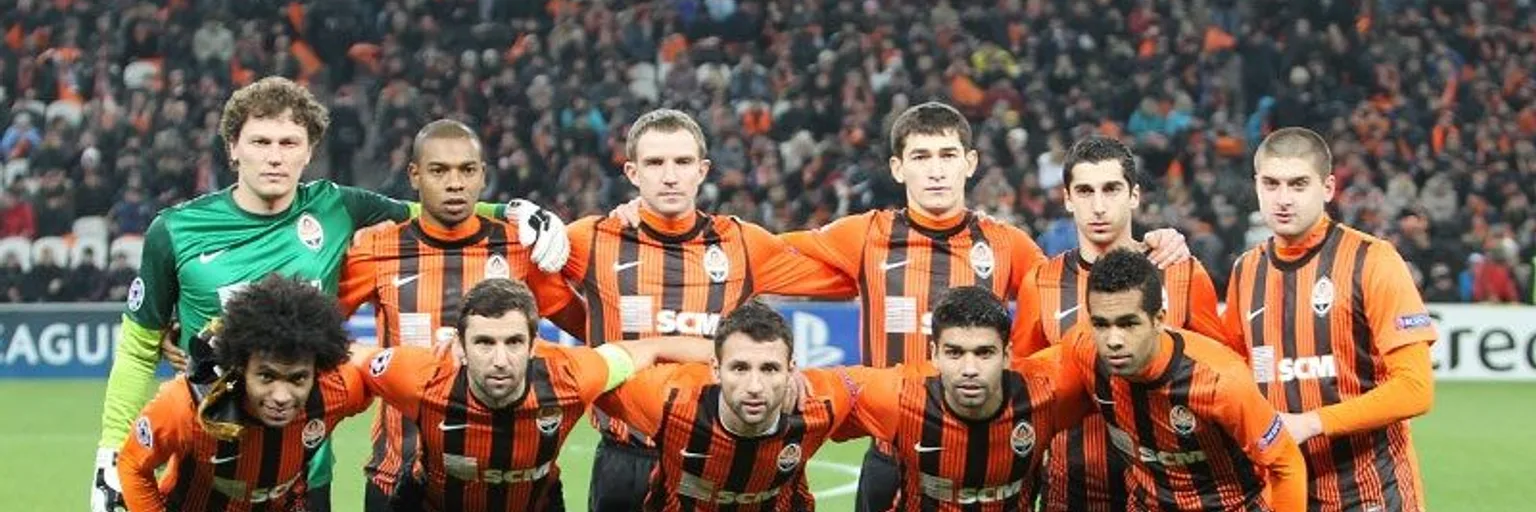
Playing their 'home' matches abroad, Shakhtar Donetsk's unwavering performance in the Champions League transcends sport, embodying the indomitable spirit of a nation.
Lautaro Martínez's Absences: A Critical Test for Inter Milan's Scudetto Ambition
Inter Milan's quest for the 2026/27 Serie A title is heavily reliant on the consistent presence of captain Lautaro Martínez, whose recent injury setbacks emphasize the need for robust player management and team resilience.