Kompany's Rotation: Masterstroke or Early European Gamble?
Vincent Kompany's bold decision to make significant changes to Bayern Munich's Champions League lineup against Viking FK reveals a calculated strategy to manage depth, but risks early European vulnerabilities.
AI-generated image
When Vincent Kompany announced significant changes to the Bayern Munich starting XI for their UEFA Champions League clash against Viking FK, it immediately sparked debate: is this a calculated genius move to optimize squad depth, or an unnecessary gamble in the high-stakes world of European football? The decision to significantly alter the team for a Champions League fixture, especially against debutants, is a bold statement, reflecting Kompany's philosophy but also inviting scrutiny.
Bayern Munich traveled to Norway on October 13, 2026, to face Viking FK at Lyse Arena, a momentous occasion for the Norwegian club. Yahoo Sports reports that Viking FK are Champions League debutants, and their head coach Bjarte Lunde Aarsheim has called this match "the biggest in our history," according to Yahoo Sports. Despite the opposition being an unfamiliar one, Bayern defender Jonathan Tah urged his teammates to maintain absolute focus, echoing coach Kompany's desire for his team to show strong mentality and avoid complacency. Bayern even opted to train in Norway, as Yahoo Sports noted, rather than at Säbener Straße, highlighting the gravity of the encounter.
The Rationale Behind Kompany's Calculated Rotation
Vincent Kompany's increasing reliance on squad rotation is not a spur-of-the-moment decision but a deliberate strategy refined over his tenure at Bayern. As he enters his third season at the club, Kompany has visibly increased his rotation practices, a trend observed by outlets like eurosport.de. This approach is deeply rooted in his philosophy of man-management, aiming to optimize player performance and prevent burnout, especially through a demanding European campaign and the Bundesliga. Kompany himself has explained that his focus is on ensuring the team's "energy" remains high, a key factor in his rotation decisions, as reported by fcbinside.com. This strategy also reflects lessons learned from previous seasons, as detailed by fcbinside.com. For Kompany, effective rotation isn't just about resting players; it's about maintaining competitive intensity across the entire squad, ensuring that every player is sharp and ready to contribute.
The Inherent Risk: Underestimating a European Debutant
While Kompany's long-term vision for squad management is clear, the decision to implement significant rotation in an early Champions League fixture carries inherent risks. Viking FK, despite being debutants in the competition, will approach this match with unparalleled motivation and a home crowd buoyed by the historic occasion. Bayern Munich defender Jonathan Tah's public warning against complacency highlights the team's awareness of this potential pitfall. An
No topics yet: start the first one.
More stories
Early Champions League Shocks Redefine Europe's Football Hierarchy
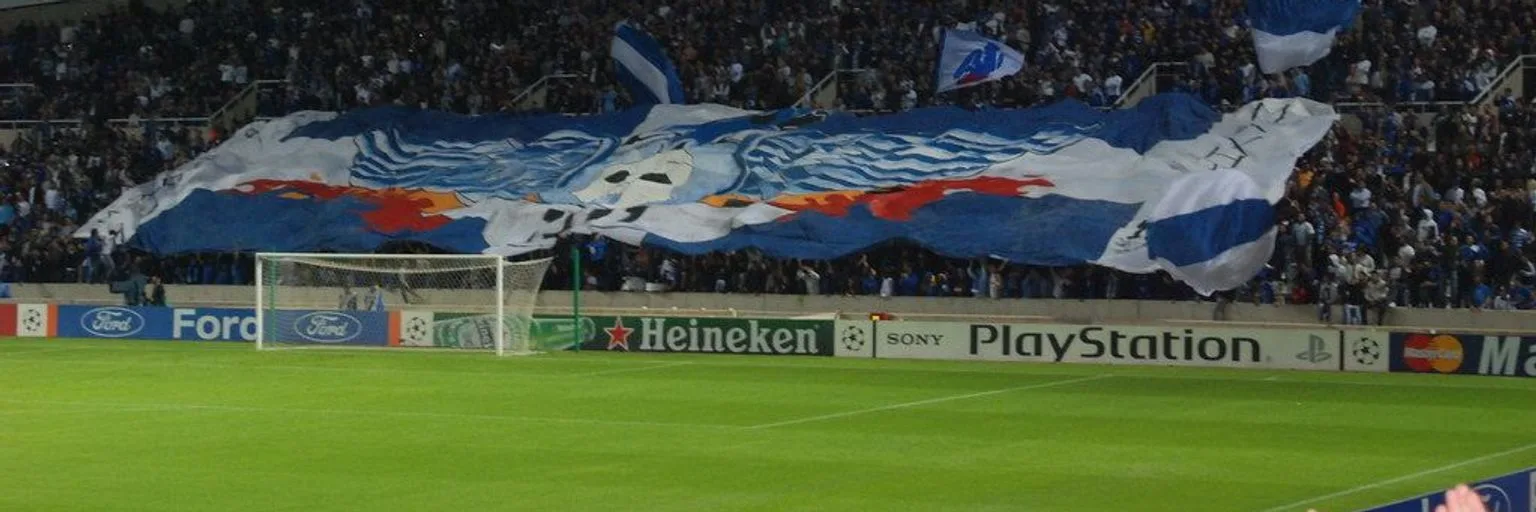
The initial phase of the UEFA Champions League's new league format is revealing how tactical evolutions and unexpected performances are challenging the traditional dominance of European football's elite clubs.
Luis Enrique's Radical Rotation: PSG's Path to European Dominance?
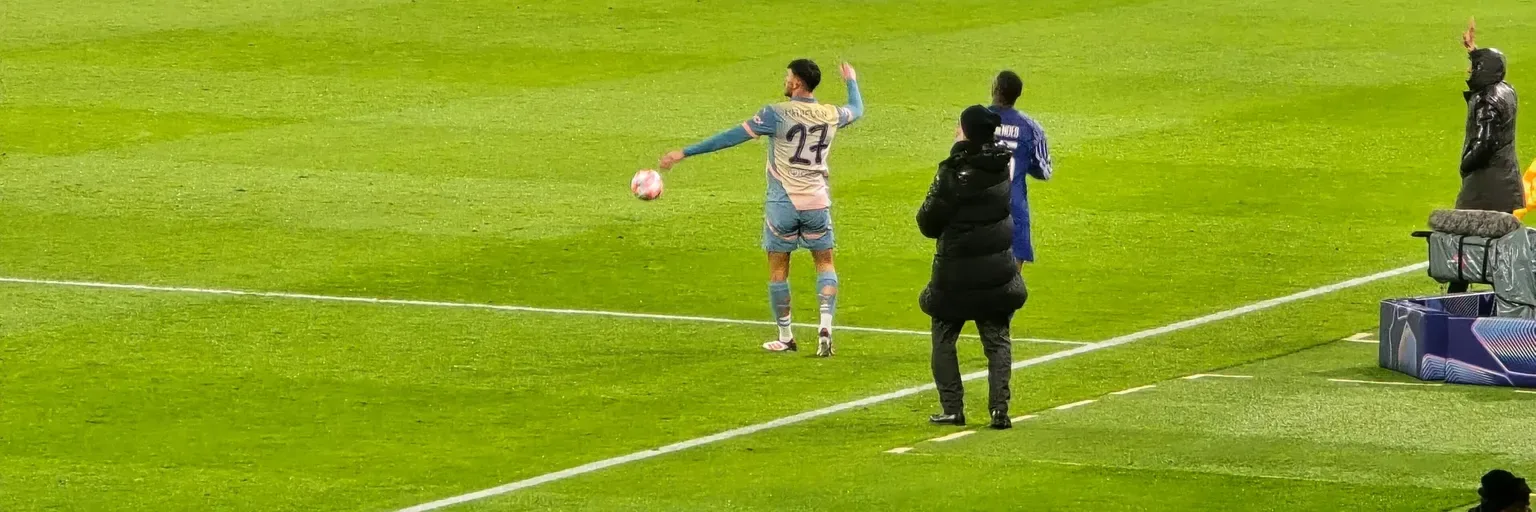
PSG's Champions League encounter with Manchester City isn't just another game; it's a pivotal examination of Luis Enrique's radical rotation policy and the club's quest for unprecedented European dominance. Can this bold strategy deliver a third consecutive title?
Haaland's Off-Field Moves Expose Premier League's Endless Power Struggles
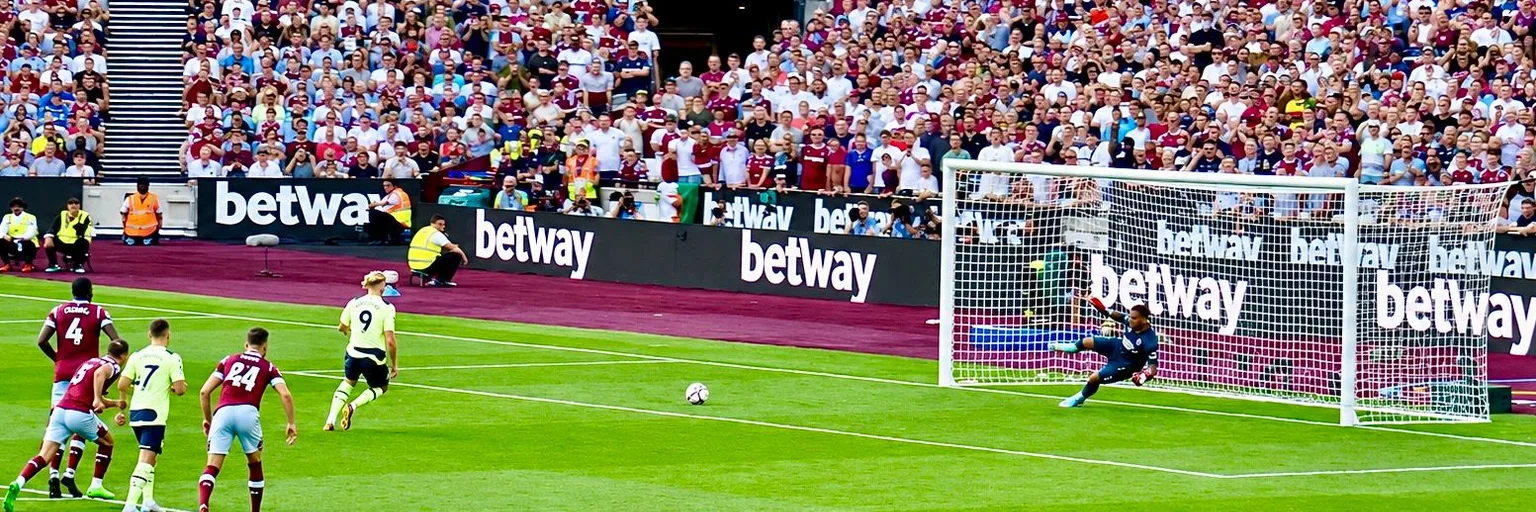
Erling Haaland's significant real estate investments signal a new era of player financial influence, while top clubs engage in a relentless, year-round transfer battle that perpetually reshapes the Premier League's competitive landscape.
Coventry City's Upset Is a Victory for the Premier League's Soul
Coventry City's emphatic 4-1 win over Newcastle United is more than just three points; it's a powerful statement about resilience and the enduring allure of the underdog in top-flight football.